


Więcej o książce
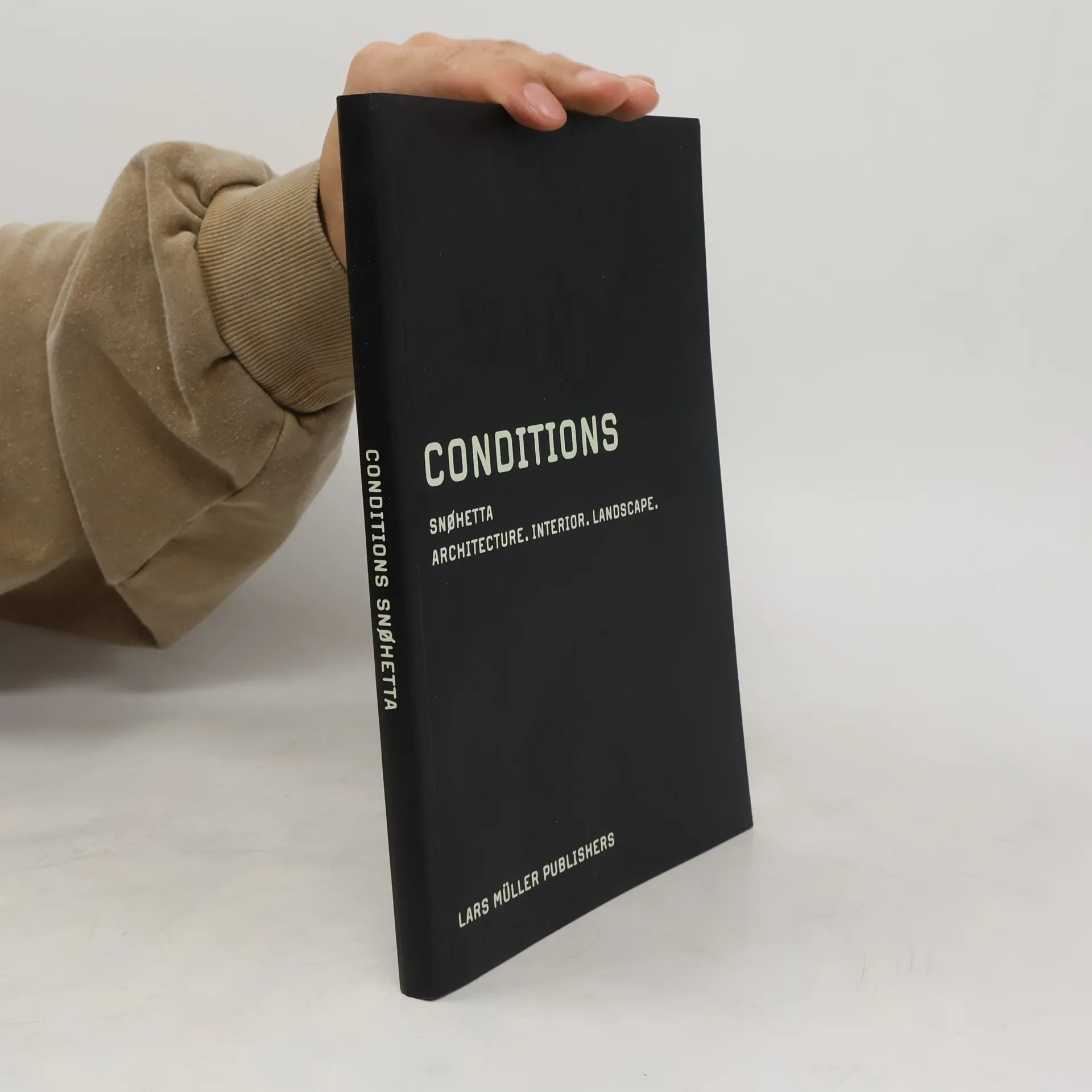
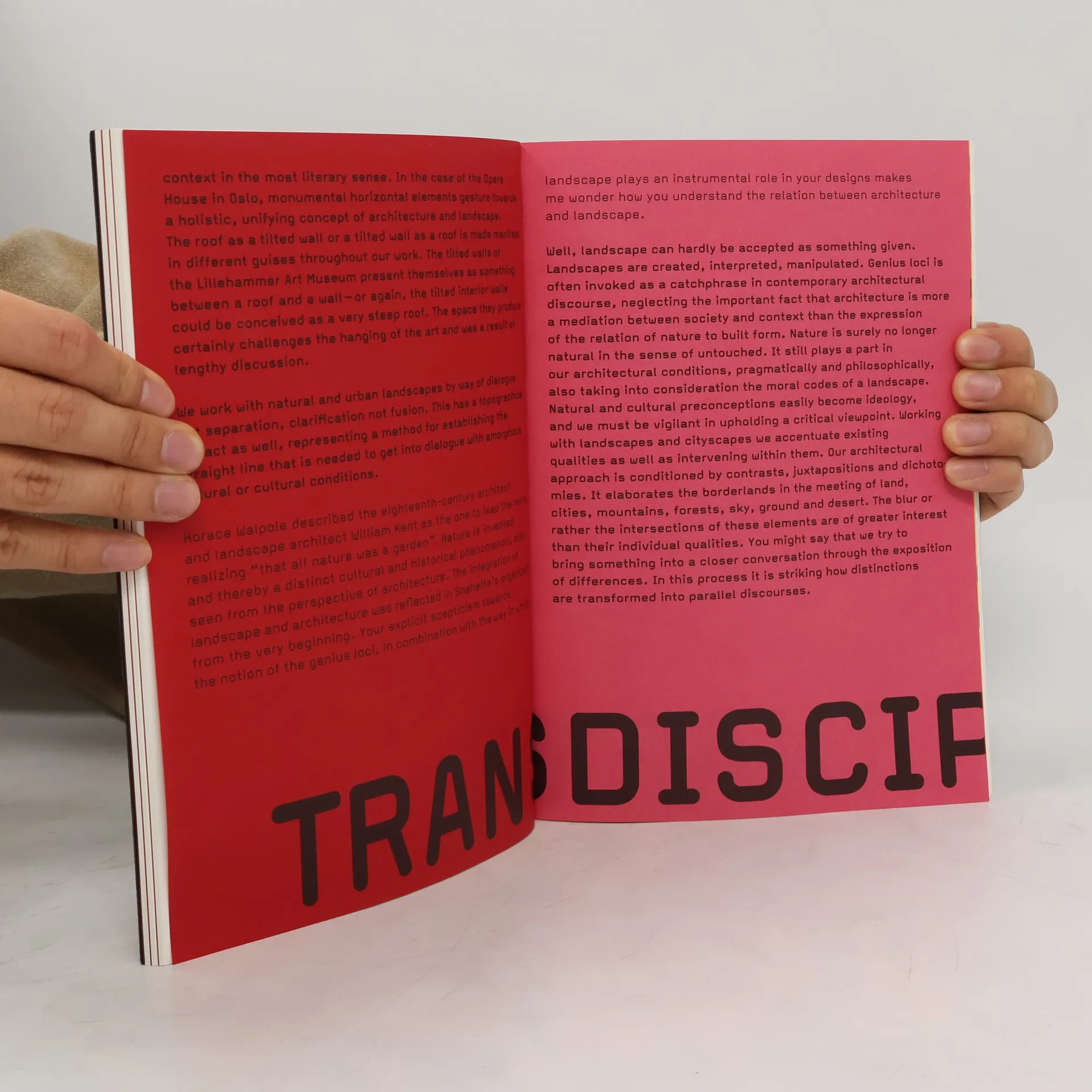
Snøhetta, one of Scandinaviaa (TM)s leading architecture practices, seeks to develop its architectures within a continuous state of reinvention. Every project differs a " only elementary aspects related to a broad sense of context generate core discussions when developing early concepts. Every architect is an individual a " only referring her or himself to the social context of Snøhetta generates core values of communal thinking. The projects are examples of attitudes rather than designs. They are samples rather than products. They are associative rather than symbolic. They are comments rather than statements. The book describes the collective methods used when exercising the search for solutions to complex realities and shows Snøhetta (TM)s architecture as a self-referential art within the uncertainties generated by the influence of our contemporary society. Projects like the library of Alexandria, the new opera house in Oslo or the Ras al Khaima gateway exemplify the intentions of the architects and give a hint of how they comment on given preconditions.
Zakup książki
Conditions. Snøhetta. Architecture, interior, landscape, kolektiv
- Język

- Rok wydania
- 2007
- Oprawa
- (twarda)
Metody płatności
Brakuje nam tutaj Twojej recenzji.
- Tytuł
- Conditions. Snøhetta. Architecture, interior, landscape
- Język
- angielski
- Autorzy
- kolektiv
- Wydawca
- Lars Müller Publishers
- Rok wydania
- 2007
- Oprawa
- twarda
- Liczba stron
- 134
- ISBN10
- 3037781181
- ISBN13
- 9783037781180
- Seria
- Tagi
- Architektura
- Ocena
- 3 z 5
- Opis
- Snøhetta, one of Scandinaviaa (TM)s leading architecture practices, seeks to develop its architectures within a continuous state of reinvention. Every project differs a " only elementary aspects related to a broad sense of context generate core discussions when developing early concepts. Every architect is an individual a " only referring her or himself to the social context of Snøhetta generates core values of communal thinking. The projects are examples of attitudes rather than designs. They are samples rather than products. They are associative rather than symbolic. They are comments rather than statements. The book describes the collective methods used when exercising the search for solutions to complex realities and shows Snøhetta (TM)s architecture as a self-referential art within the uncertainties generated by the influence of our contemporary society. Projects like the library of Alexandria, the new opera house in Oslo or the Ras al Khaima gateway exemplify the intentions of the architects and give a hint of how they comment on given preconditions.