

Więcej o książce
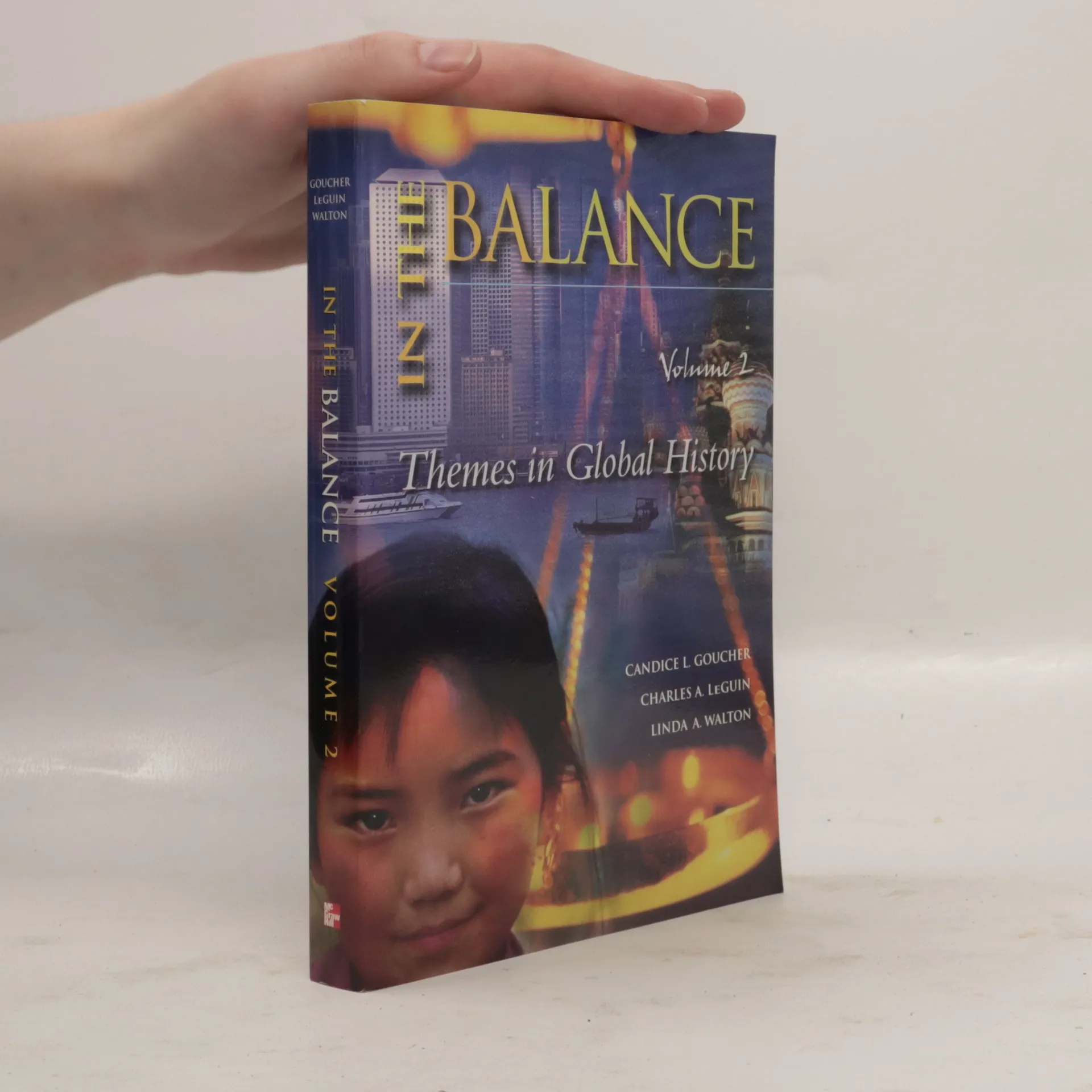
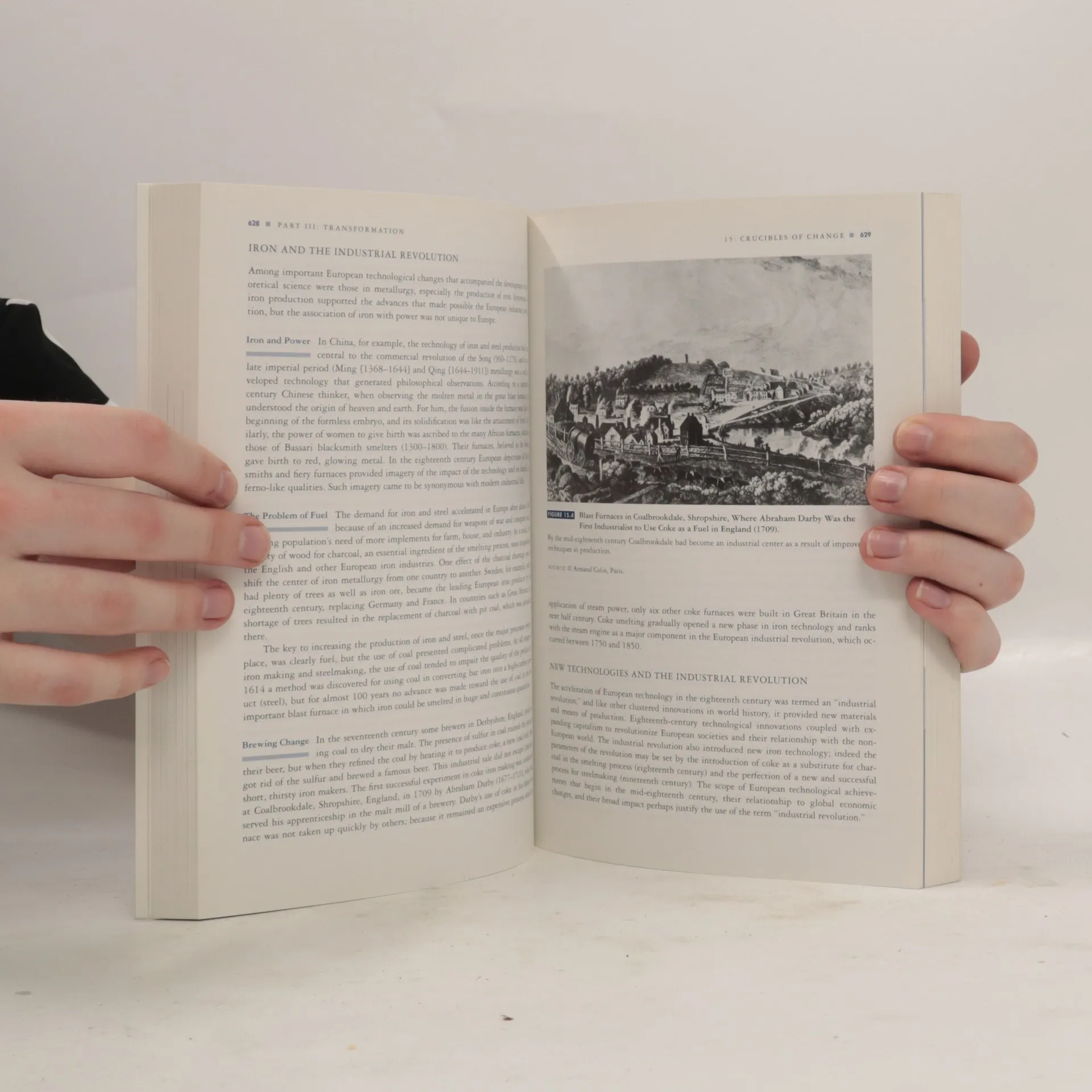
This is volume two of a two-volume world history text. The book takes a thematic approach, exploring different areas in a comparative manner and central themes are used to highlight the interconnectedness of the world's development across cultures and time. The approach is roughly chronological, though the organization deals with broader comparative issues such as the family. The text explores how different parts of the world often follow similar paths, even at different times and how similarities or differences in development can be revealing about particular societies. The book places less emphasis on political history and more on social, economic and cultural, with coverage of gender and family and wide coverage of women's history. The section openers have comparative chronological charts to help keep the student oriented with respect to events in different parts of the world and learning aids include debating the past boxes, daily life boxes, two four-colour photo-essays and marginal heads to help keep track of the testable material. Volume two examines world history after 1500.
Zakup książki
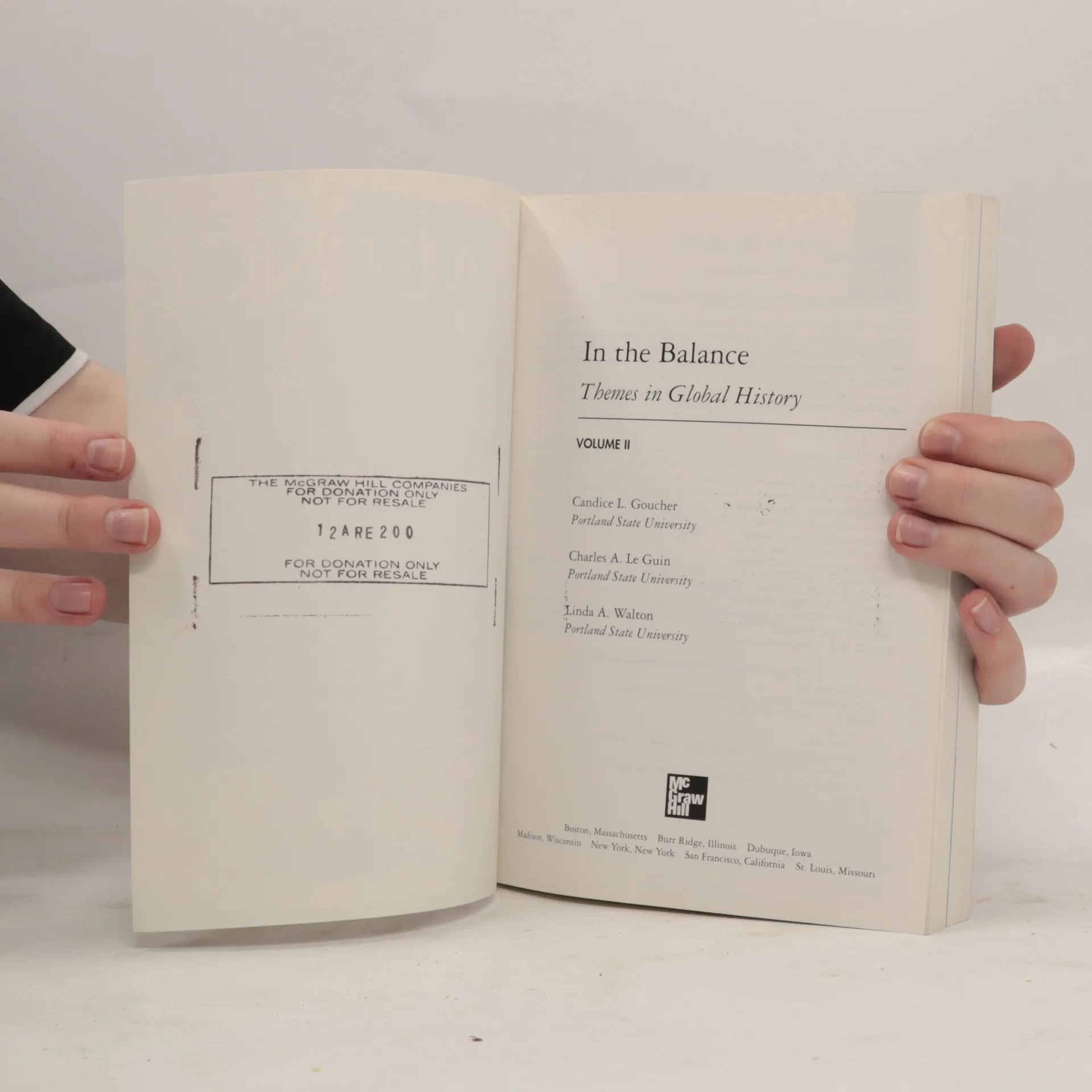
In the Balance 2. Themes in Global History, Candice Lee Goucher, Charles A. Le Guin, Linda A. Walton
- Język

- Rok wydania
- 1998
- Oprawa
- (miękka)
Metody płatności
Nikt jeszcze nie ocenił.
- Tytuł
- In the Balance 2. Themes in Global History
- Język
- angielski
- Wydawca
- McGraw-Hill
- Rok wydania
- 1998
- Oprawa
- miękka
- Liczba stron
- 34
- ISBN10
- 0070241813
- ISBN13
- 9780070241817
- Seria
- Opis
- This is volume two of a two-volume world history text. The book takes a thematic approach, exploring different areas in a comparative manner and central themes are used to highlight the interconnectedness of the world's development across cultures and time. The approach is roughly chronological, though the organization deals with broader comparative issues such as the family. The text explores how different parts of the world often follow similar paths, even at different times and how similarities or differences in development can be revealing about particular societies. The book places less emphasis on political history and more on social, economic and cultural, with coverage of gender and family and wide coverage of women's history. The section openers have comparative chronological charts to help keep the student oriented with respect to events in different parts of the world and learning aids include debating the past boxes, daily life boxes, two four-colour photo-essays and marginal heads to help keep track of the testable material. Volume two examines world history after 1500.