

Parametry
Więcej o książce
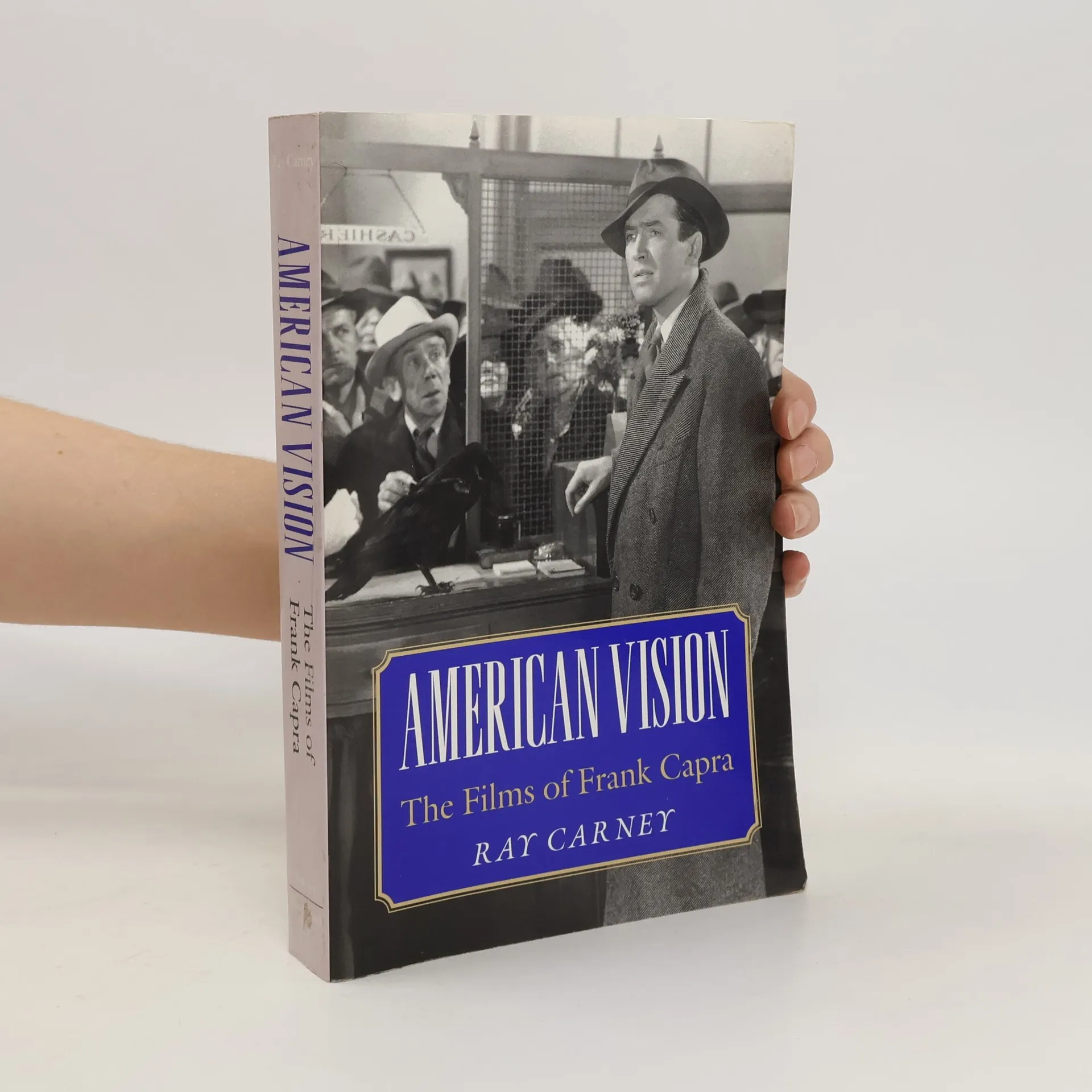
There are few filmgoers who have not seen and been moved by one of the thirty-six feature films directed by Frank Capra between 1926 and 1961, among which are It's a Wonderful Life, Mr Smith Goes to Washington, Meet John Doe, Lost Horizon, It Happened One Night, Mr. Deeds Goes to Town, and Pocketful of Miracles. Critics, however, have often dismissed the director as sentimental, or patronised his populist tendencies. Professor Carney locates the director's oeuvre within a larger tradition of post-Romantic expression, placing him in the company of figures such as Hawthorne, Emerson, James, Winslow, Homer, Sargent and Edward Hopper. Professor Carney's vast knowledge of Capra's biography, the intricacies of the Hollywood studio system, film-making techniques, and the American cultural heritage has produced a study that moves beyond the boundaries of current film scholarship. The detailed readings of individual films are presented within a broad cultural context and the context of Capra's own development.
Zakup książki
American Vision, Raymond Carney
- Język

- Rok wydania
- 1996
- Oprawa
- (miękka)
Metody płatności
Brakuje nam tutaj Twojej recenzji.
- Tytuł
- American Vision
- Podtytuł
- The Films of Frank Capra
- Język
- angielski
- Autorzy
- Raymond Carney
- Wydawca
- Wesleyan University Press
- Rok wydania
- 1996
- Oprawa
- miękka
- ISBN10
- 0819563013
- ISBN13
- 9780819563019
- Seria
- Tagi
- Tematyka filmowa
- Ocena
- 4,4 z 5
- Opis
- There are few filmgoers who have not seen and been moved by one of the thirty-six feature films directed by Frank Capra between 1926 and 1961, among which are It's a Wonderful Life, Mr Smith Goes to Washington, Meet John Doe, Lost Horizon, It Happened One Night, Mr. Deeds Goes to Town, and Pocketful of Miracles. Critics, however, have often dismissed the director as sentimental, or patronised his populist tendencies. Professor Carney locates the director's oeuvre within a larger tradition of post-Romantic expression, placing him in the company of figures such as Hawthorne, Emerson, James, Winslow, Homer, Sargent and Edward Hopper. Professor Carney's vast knowledge of Capra's biography, the intricacies of the Hollywood studio system, film-making techniques, and the American cultural heritage has produced a study that moves beyond the boundaries of current film scholarship. The detailed readings of individual films are presented within a broad cultural context and the context of Capra's own development.