

Więcej o książce
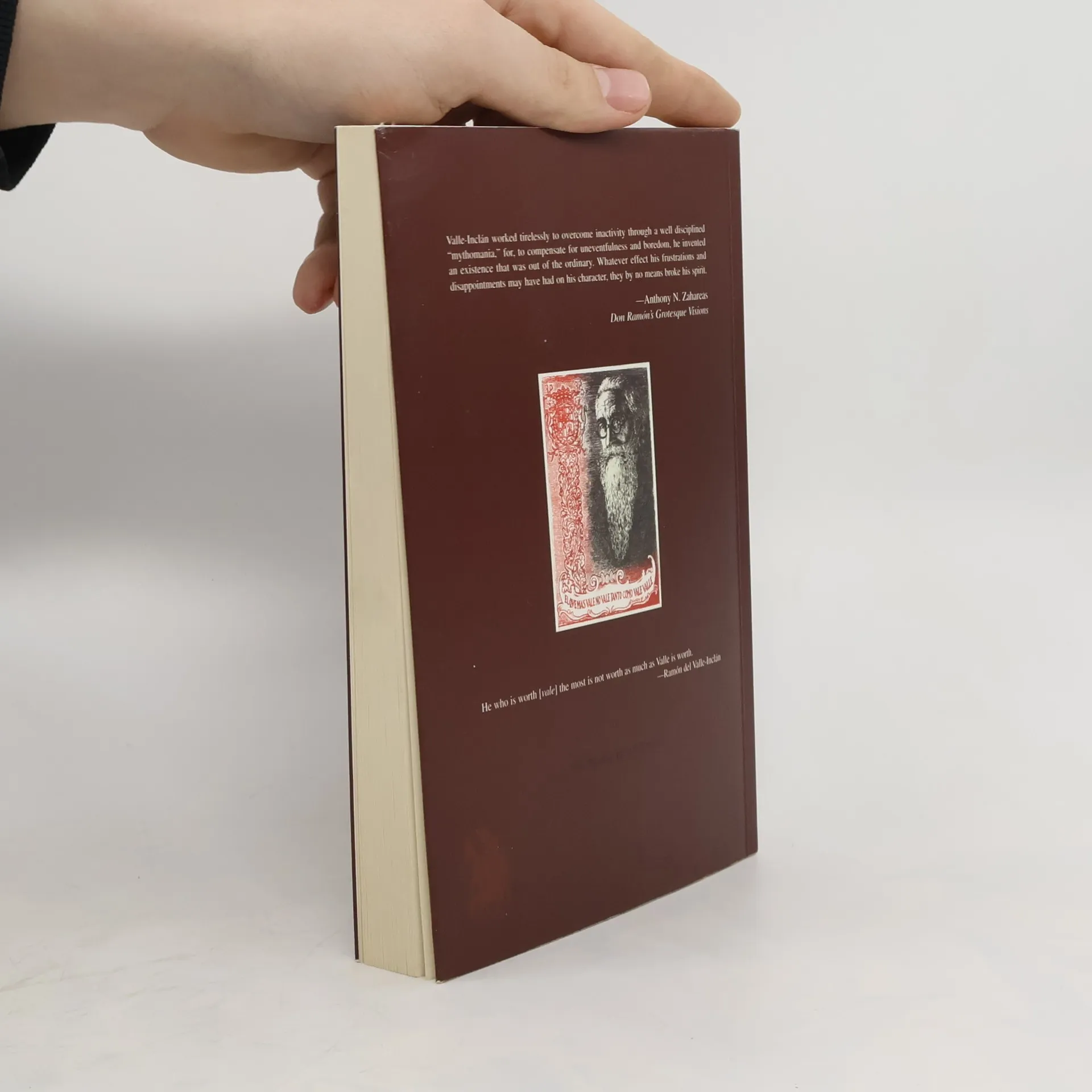
After losing an arm in the Pamplona encierro in his youth, Max Chaika fashioned a persona from the one-armed modernist writer Ramón del Valle-Inclán who made his disfigurement poetic by donning a cape. This coincided with Max’s discovery of Valle-Inclán’s “Sonatas” of the seasons in which the maimed hero, the Marqués de Bradomín, adopts his author’s attitude, confessing that he envies Cervantes “the glory of his lost arm more than the glory of having written Don Quijote.” In his cape, wide hat, and spectacles, and sporting a pointy two-foot beard, Valle-Inclán could have listed among his talents a profitable knack for impression-management. The subject of the self-exhibiting artist--the persona as a commercial tool sometimes superior to the artist’s art--is central to the novel: it is at the heart of Max’s crisis. His carefully managed image once sold a lot of books, especially in Spain where he was seen as a living celebration of Spanish literature; but with his sales lagging, he seems an absurd character.
Zakup książki
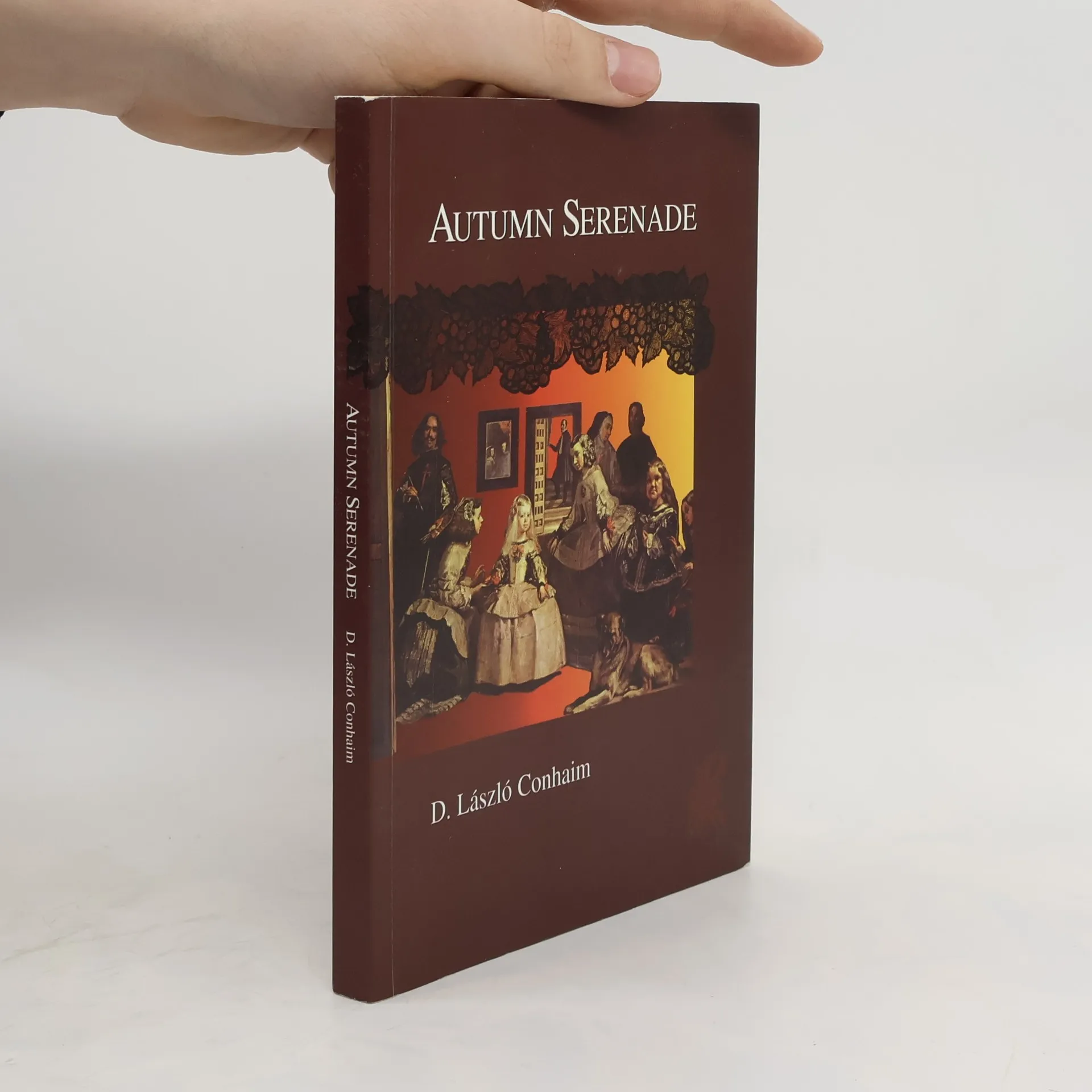
Autumn Serenade, D. László Conhaim
- Język

- Rok wydania
- 1999
- Oprawa
- (miękka)
Metody płatności
Brakuje nam tutaj Twojej recenzji.
- Tytuł
- Autumn Serenade
- Język
- angielski
- Autorzy
- D. László Conhaim
- Wydawca
- Prague Revue Books
- Rok wydania
- 1999
- Oprawa
- miękka
- Liczba stron
- 167
- ISBN10
- 8090229115
- ISBN13
- 9788090229112
- Seria
- Tagi
- Ocena
- 5 z 5
- Opis
- After losing an arm in the Pamplona encierro in his youth, Max Chaika fashioned a persona from the one-armed modernist writer Ramón del Valle-Inclán who made his disfigurement poetic by donning a cape. This coincided with Max’s discovery of Valle-Inclán’s “Sonatas” of the seasons in which the maimed hero, the Marqués de Bradomín, adopts his author’s attitude, confessing that he envies Cervantes “the glory of his lost arm more than the glory of having written Don Quijote.” In his cape, wide hat, and spectacles, and sporting a pointy two-foot beard, Valle-Inclán could have listed among his talents a profitable knack for impression-management. The subject of the self-exhibiting artist--the persona as a commercial tool sometimes superior to the artist’s art--is central to the novel: it is at the heart of Max’s crisis. His carefully managed image once sold a lot of books, especially in Spain where he was seen as a living celebration of Spanish literature; but with his sales lagging, he seems an absurd character.