

Więcej o książce
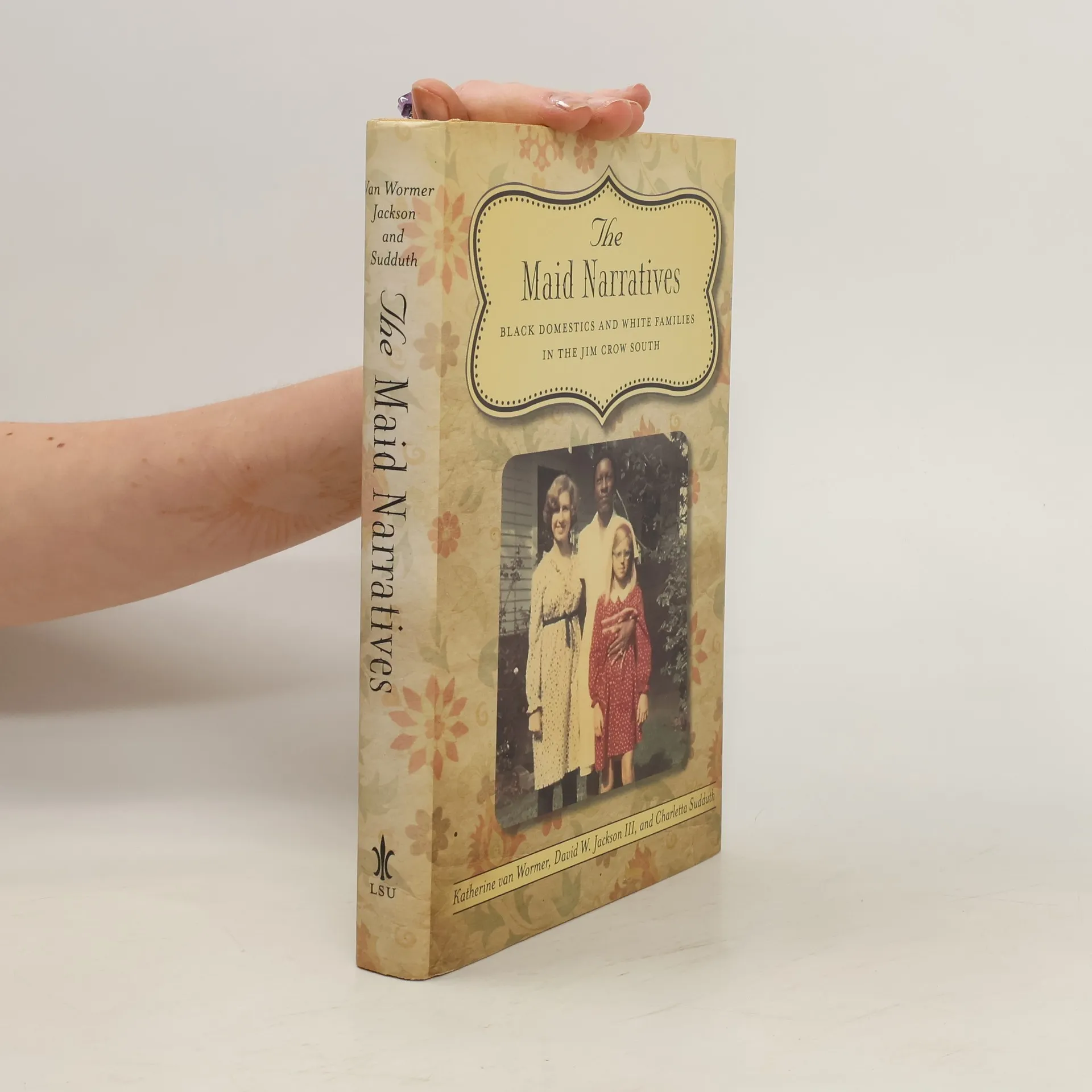
The Maid Narratives shares the memories of black domestic workers and the white families they served, uncovering the often intimate relationships between maid and mistress. Based on interviews with over fifty people—both white and black—these stories deliver a personal and powerful message about resilience and resistance in the face of oppression in the Jim Crow South.The housekeepers, caretakers, sharecroppers, and cooks who share their experiences in The Maid Narratives ultimately moved away during the Great Migration. Their perspectives as servants who left for better opportunities outside of the South offer an original telling of physical and psychological survival in a racially oppressive caste system: Vinella Byrd, for instance, from Pine Bluff, Arkansas, recalls how a farmer she worked for would not allow her to clean her hands in the family’s wash pan. These narratives are complemented by the voices of white women, such as Flora Templeton Stuart, from New Orleans, who remembers her maid fondly but realizes that she knew little about her life. Like Stuart, many of the white narrators remain troubled by the racial norms of the time. Viewed as a whole, the book presents varied, rich, and detailed accounts, often tragic, and sometimes humorous. The Maid Narratives reveals, across racial lines, shared hardships, strong emotional ties, and inspiring strength.
Zakup książki
The Maid Narratives, Katherine Van Wormer, David W. Jackson III, Charletta Sudduth
- Język

- Rok wydania
- 2012
- Oprawa
- (twarda)
Metody płatności
Brakuje nam tutaj Twojej recenzji.
- Tytuł
- The Maid Narratives
- Język
- angielski
- Wydawca
- LSU Press
- Rok wydania
- 2012
- Oprawa
- twarda
- ISBN10
- 0807149683
- ISBN13
- 9780807149683
- Seria
- Ocena
- 3,8 z 5
- Opis
- The Maid Narratives shares the memories of black domestic workers and the white families they served, uncovering the often intimate relationships between maid and mistress. Based on interviews with over fifty people—both white and black—these stories deliver a personal and powerful message about resilience and resistance in the face of oppression in the Jim Crow South.The housekeepers, caretakers, sharecroppers, and cooks who share their experiences in The Maid Narratives ultimately moved away during the Great Migration. Their perspectives as servants who left for better opportunities outside of the South offer an original telling of physical and psychological survival in a racially oppressive caste system: Vinella Byrd, for instance, from Pine Bluff, Arkansas, recalls how a farmer she worked for would not allow her to clean her hands in the family’s wash pan. These narratives are complemented by the voices of white women, such as Flora Templeton Stuart, from New Orleans, who remembers her maid fondly but realizes that she knew little about her life. Like Stuart, many of the white narrators remain troubled by the racial norms of the time. Viewed as a whole, the book presents varied, rich, and detailed accounts, often tragic, and sometimes humorous. The Maid Narratives reveals, across racial lines, shared hardships, strong emotional ties, and inspiring strength.