

Parametry
Więcej o książce
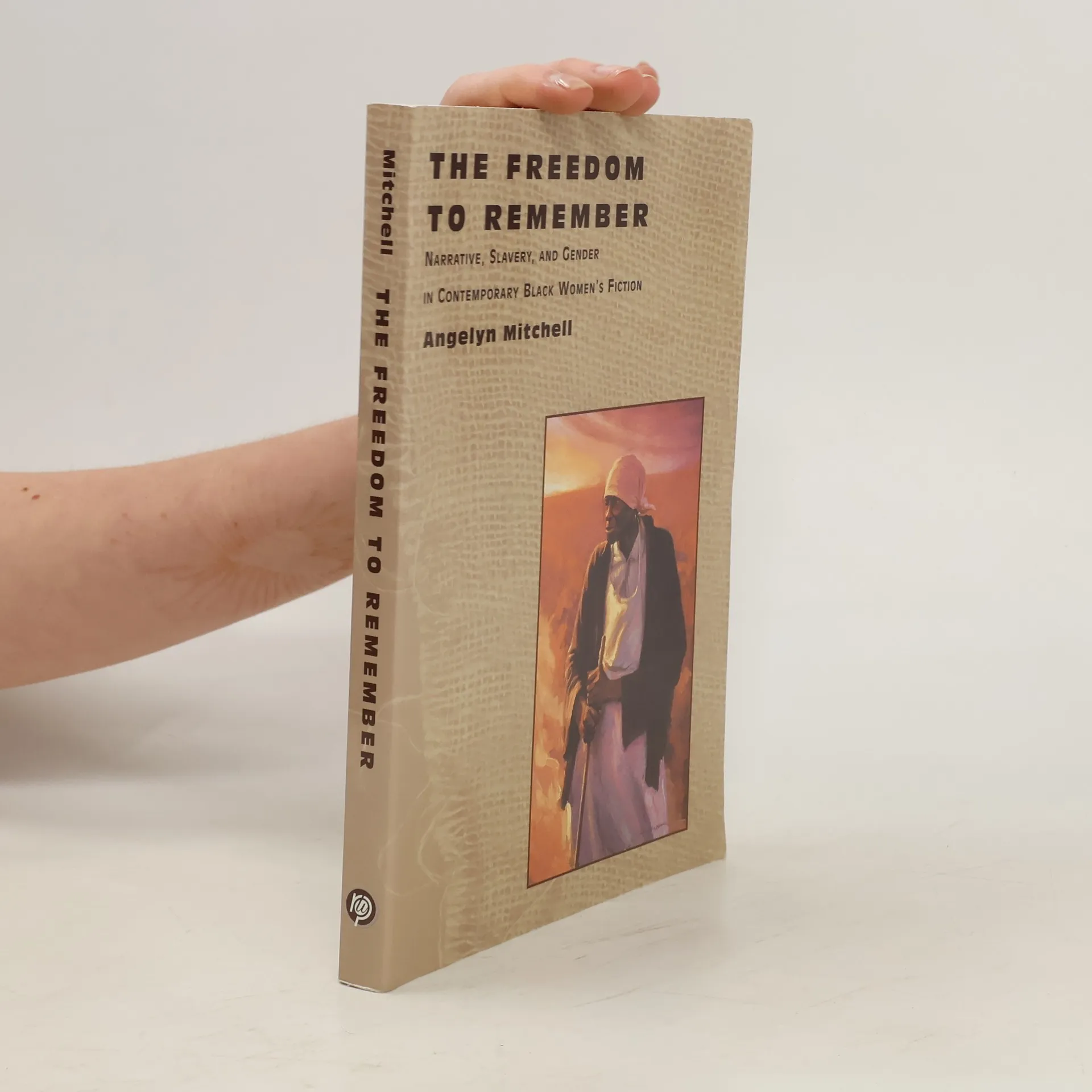
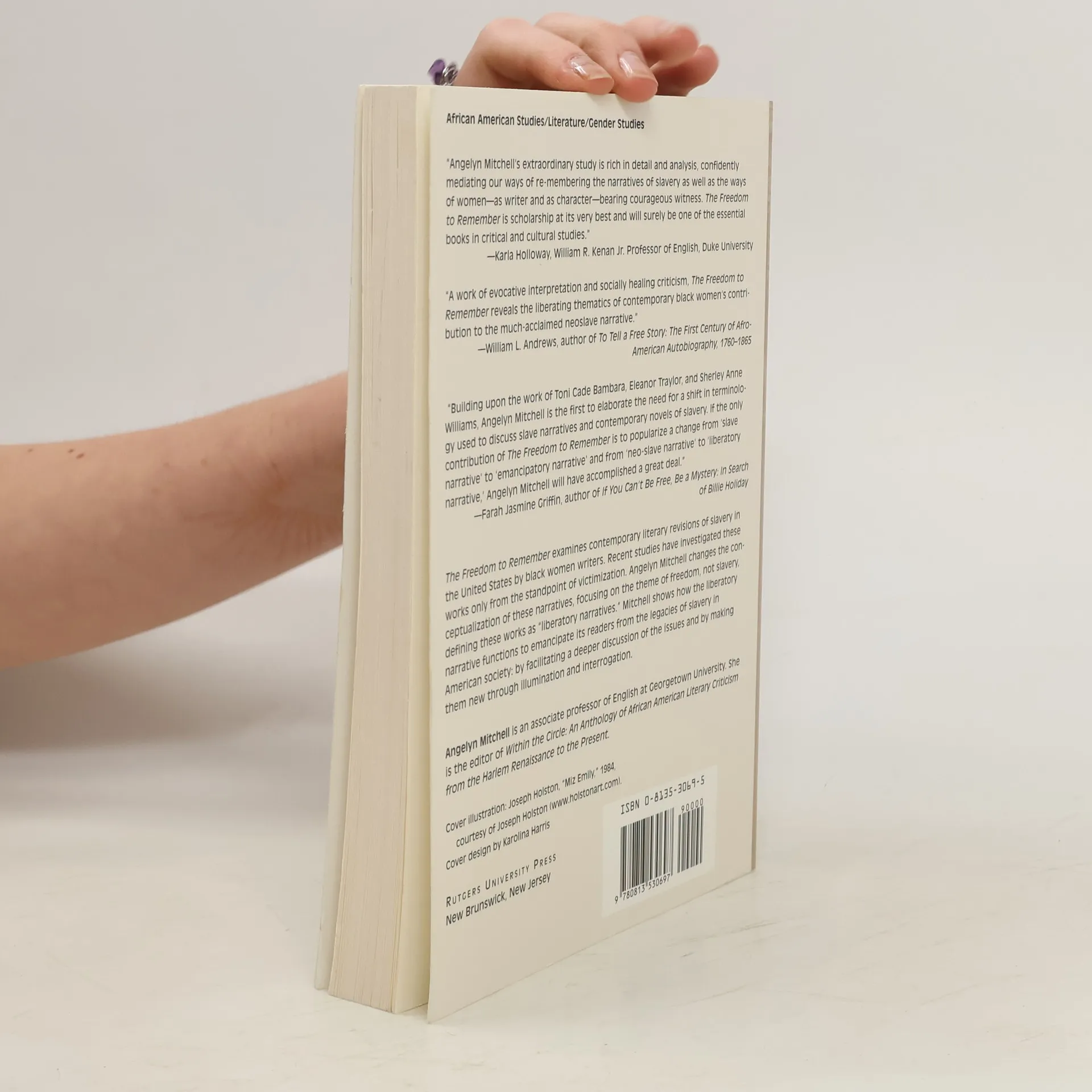
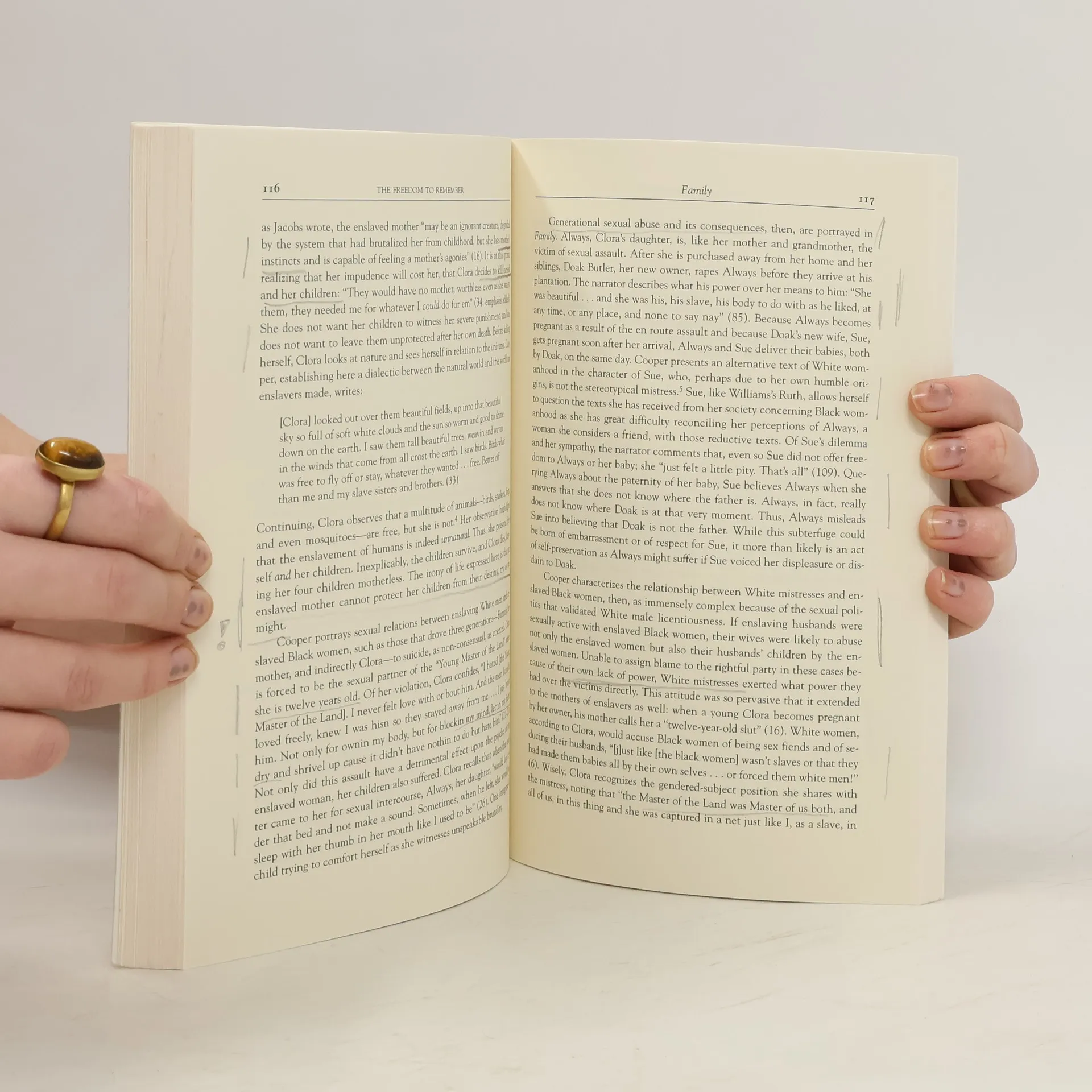
The Freedom to Remember examines contemporary literary revisions of slavery in the United States by black women writers. The narratives at the center of this book Octavia E. Butler’s Kindred , Sherley Anne Williams’s Dessa Rose , Toni Morrison’s Beloved , J. California Cooper’s Family , and Lorene Cary’s The Price of a Child .Recent studies have investigated these works only from the standpoint of victimization. Angelyn Mitchell changes the conceptualization of these narratives, focusing on the theme of freedom, not slavery, defining these works as “liberatory narratives.” These works create a space to problematize the slavery/freedom dichotomy from which contemporary black women writers have the “safe” vantage point to reveal aspects of enslavement that their ancestors could not examine. The nineteenth-century female emancipatory narrative, by contrast, was written to aid the cause of abolition by revealing the unspeakable realities of slavery. Mitchell shows how the liberatory narrative functions to emancipate its readers from the legacies of slavery in American by facilitating a deeper discussion of the issues and by making them new through illumination and interrogation.
Zakup książki
The Freedom to Remember, Angelyn Mitchell
- Język

- Rok wydania
- 2002
- Oprawa
- (miękka)
Metody płatności
Brakuje nam tutaj Twojej recenzji.
- Tytuł
- The Freedom to Remember
- Język
- angielski
- Autorzy
- Angelyn Mitchell
- Wydawca
- Rutgers University Press
- Rok wydania
- 2002
- Oprawa
- miękka
- ISBN10
- 0813530695
- ISBN13
- 9780813530697
- Seria
- Kategorie
- Ocena
- 4,1 z 5
- Opis
- The Freedom to Remember examines contemporary literary revisions of slavery in the United States by black women writers. The narratives at the center of this book Octavia E. Butler’s Kindred , Sherley Anne Williams’s Dessa Rose , Toni Morrison’s Beloved , J. California Cooper’s Family , and Lorene Cary’s The Price of a Child .Recent studies have investigated these works only from the standpoint of victimization. Angelyn Mitchell changes the conceptualization of these narratives, focusing on the theme of freedom, not slavery, defining these works as “liberatory narratives.” These works create a space to problematize the slavery/freedom dichotomy from which contemporary black women writers have the “safe” vantage point to reveal aspects of enslavement that their ancestors could not examine. The nineteenth-century female emancipatory narrative, by contrast, was written to aid the cause of abolition by revealing the unspeakable realities of slavery. Mitchell shows how the liberatory narrative functions to emancipate its readers from the legacies of slavery in American by facilitating a deeper discussion of the issues and by making them new through illumination and interrogation.