

Więcej o książce
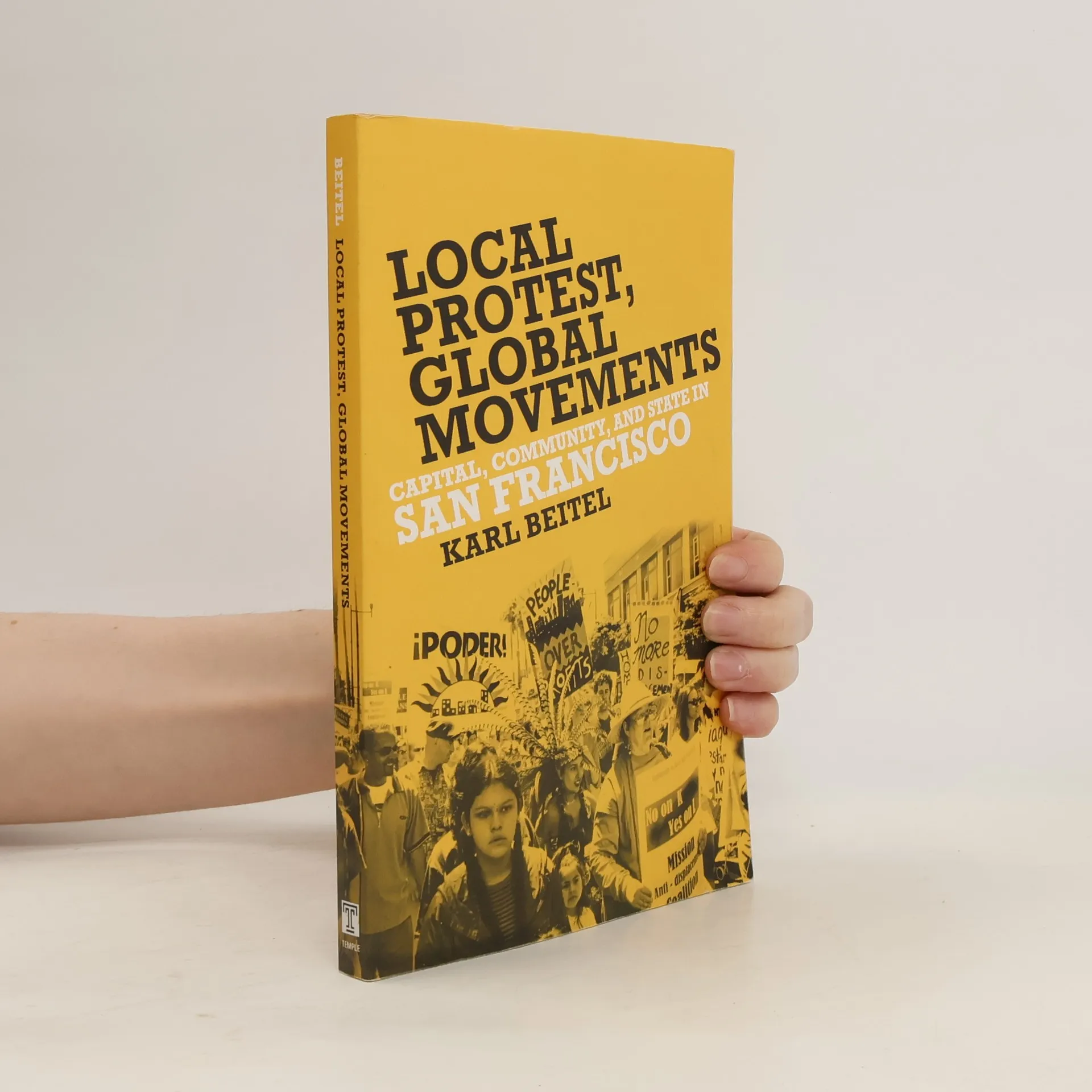
A history of the anti-gentrification and housing rights movement in San Francisco, Local Protest, Global Movements examines the ability of local urban movements to engage in meaningful contestation with private real estate capital and area governmental leaders in the era of urban neoliberalism. Using San Francisco as an illuminating case study, Beitel analyses the innovative ways urban social movements have organized around issues regarding land use, housing, urban ecology, and health care on the local level to understand the changing nature of protest formation around the world. Reconciling the passing of New Left ideals and the emergence of mobilization on a global scale, he assesses the limits of contemporary urban movements as conduits for advancing a radical political program. Beitel argues these limits reflect recurrent problems of internal fragmentation, and the manner in which liberal democratic institutions structure processes of political participation and interest representation. Karl Beitel is a writer and scholar currently living in San Francisco. His work has addressed urban theory, the global economy, and U.S. foreign policy.
Zakup książki
Local Protests, Global Movements, Karl Beitel
- Język

- Rok wydania
- 2013
- Oprawa
- (miękka)
Metody płatności
Brakuje nam tutaj Twojej recenzji.
- Tytuł
- Local Protests, Global Movements
- Język
- angielski
- Autorzy
- Karl Beitel
- Wydawca
- Temple University Press,U.S.
- Rok wydania
- 2013
- Oprawa
- miękka
- Liczba stron
- 219
- ISBN10
- 1439909954
- ISBN13
- 9781439909959
- Seria
- Kategorie
- Tagi
- Ocena
- 4,5 z 5
- Opis
- A history of the anti-gentrification and housing rights movement in San Francisco, Local Protest, Global Movements examines the ability of local urban movements to engage in meaningful contestation with private real estate capital and area governmental leaders in the era of urban neoliberalism. Using San Francisco as an illuminating case study, Beitel analyses the innovative ways urban social movements have organized around issues regarding land use, housing, urban ecology, and health care on the local level to understand the changing nature of protest formation around the world. Reconciling the passing of New Left ideals and the emergence of mobilization on a global scale, he assesses the limits of contemporary urban movements as conduits for advancing a radical political program. Beitel argues these limits reflect recurrent problems of internal fragmentation, and the manner in which liberal democratic institutions structure processes of political participation and interest representation. Karl Beitel is a writer and scholar currently living in San Francisco. His work has addressed urban theory, the global economy, and U.S. foreign policy.