

Więcej o książce
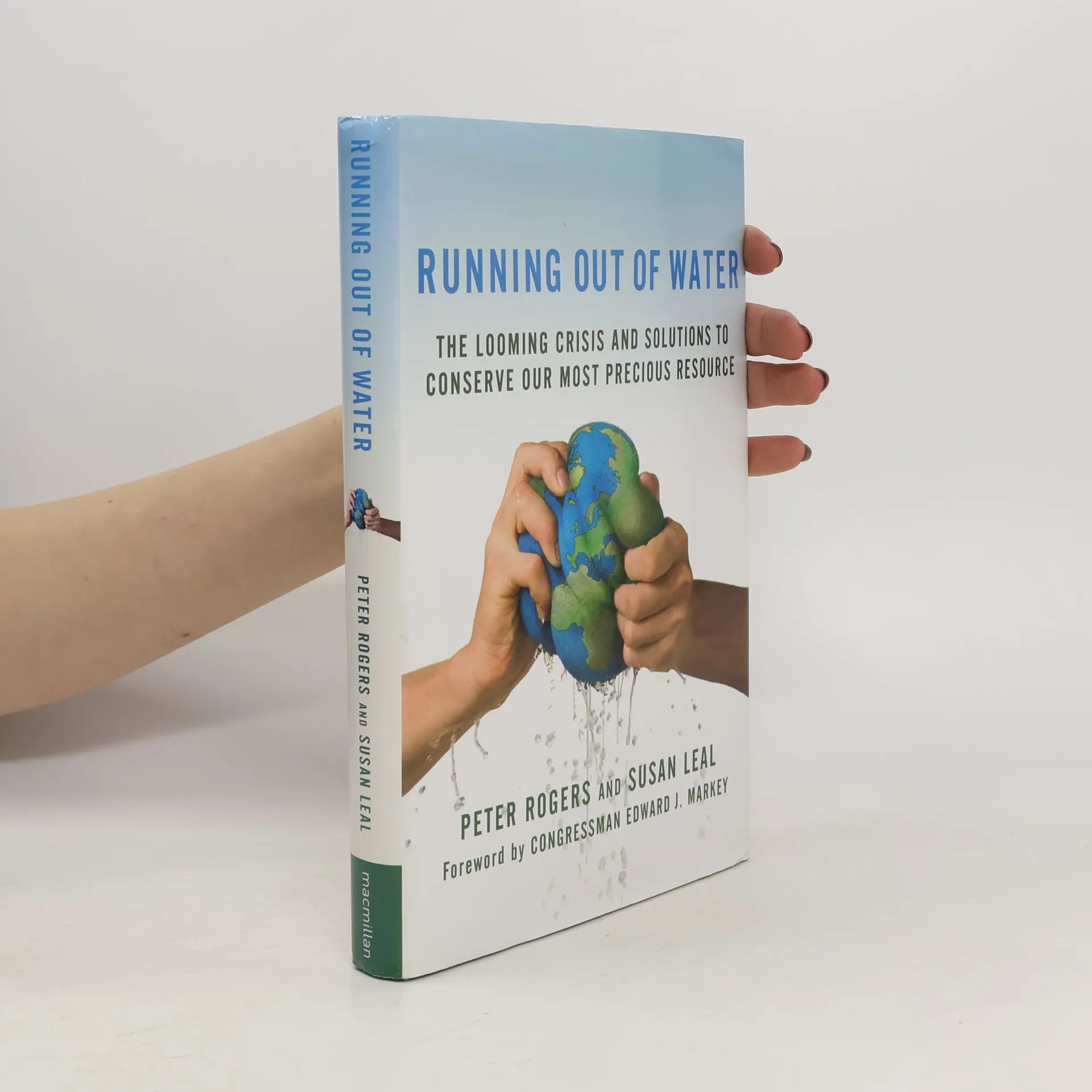
Water is the world€™s life source and essential to all living creatures. Although we live on the blue planet, only 3 percent of all our water is drinkable. Yet we€™ve grown accustomed to using it with abandon €“ individuals consume about 80 to 100 gallons per day adding up to the equivalent of an Olympic sized swimming pool every year. By this decade€™s end, when the world population is predicted to reach 8 billion, we will face severe shortages. In this ground breaking and forward-looking book, Harvard professor Peter Rogers and former general manager of the San Francisco Utilities Commission, Susan Leal give us a sobering perspective on the water crisis€”why it€™s happening, where it€™s likely to strike, and what puts the worst strain on our supply. They explain how water€™s unique status as a renewable but finite resource misleads us into thinking we can always produce more of it. They introduce exciting new technologies t
Zakup książki
Running out of Water, kolektiv
- Język

- Rok wydania
- 2010
- Oprawa
- (twarda)
Metody płatności
Brakuje nam tutaj Twojej recenzji.
- Tytuł
- Running out of Water
- Język
- angielski
- Autorzy
- kolektiv
- Wydawca
- Palgrave Macmillan
- Rok wydania
- 2010
- Oprawa
- twarda
- Liczba stron
- 245
- ISBN10
- 0230615643
- ISBN13
- 9780230615649
- Seria
- Ocena
- 3,45 z 5
- Opis
- Water is the world€™s life source and essential to all living creatures. Although we live on the blue planet, only 3 percent of all our water is drinkable. Yet we€™ve grown accustomed to using it with abandon €“ individuals consume about 80 to 100 gallons per day adding up to the equivalent of an Olympic sized swimming pool every year. By this decade€™s end, when the world population is predicted to reach 8 billion, we will face severe shortages. In this ground breaking and forward-looking book, Harvard professor Peter Rogers and former general manager of the San Francisco Utilities Commission, Susan Leal give us a sobering perspective on the water crisis€”why it€™s happening, where it€™s likely to strike, and what puts the worst strain on our supply. They explain how water€™s unique status as a renewable but finite resource misleads us into thinking we can always produce more of it. They introduce exciting new technologies t