


Więcej o książce
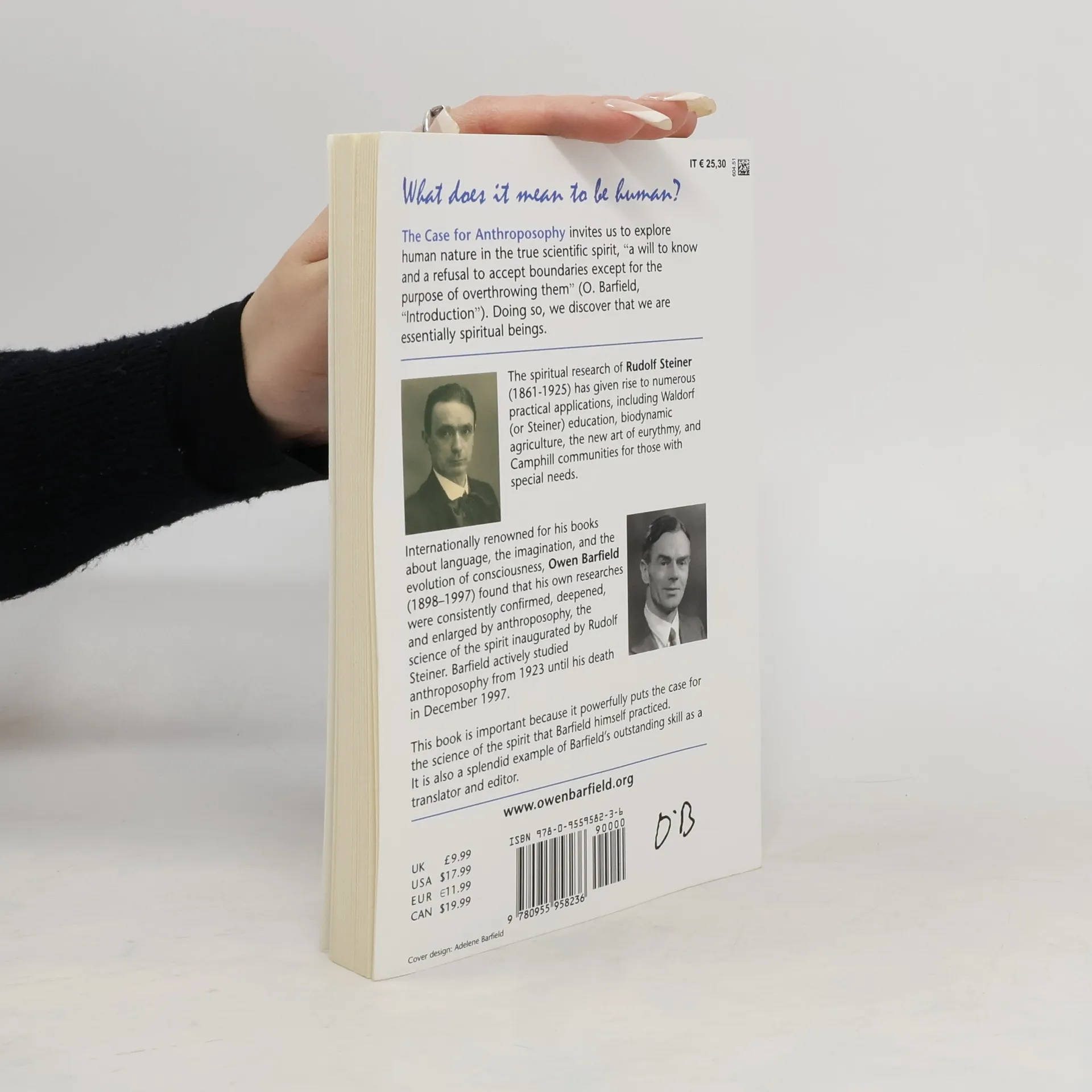
What does it mean to be human? 'The Case for Anthroposophy' invites us to explore human nature in the true scientific spirit, "a will to know and a refusal to accept boundaries except for the purpose of overthrowing them" (Owen Barfield, "Introduction"). Doing so, we discover that we are essentially spiritual beings. Internationally renowned for his books about language, the imagination, and the evolution of consciousness, Owen Barfield found that his own researches were consistently confirmed, deepened, and enlarged by anthroposophy, the science of the spirit inaugurated by Rudolf Steiner. For almost three quarters of a century, from 1923 until his death in December 1997, Barfield actively studied anthroposophy. Those who are interested in his life and work will find this volume particularly valuable, not only because it so lucidly and powerfully sets forth the case for the science of the spirit that Barfield himself practiced, but also because it is a splendid example of Barfield's outstanding skill as translator and editor.
Zakup książki
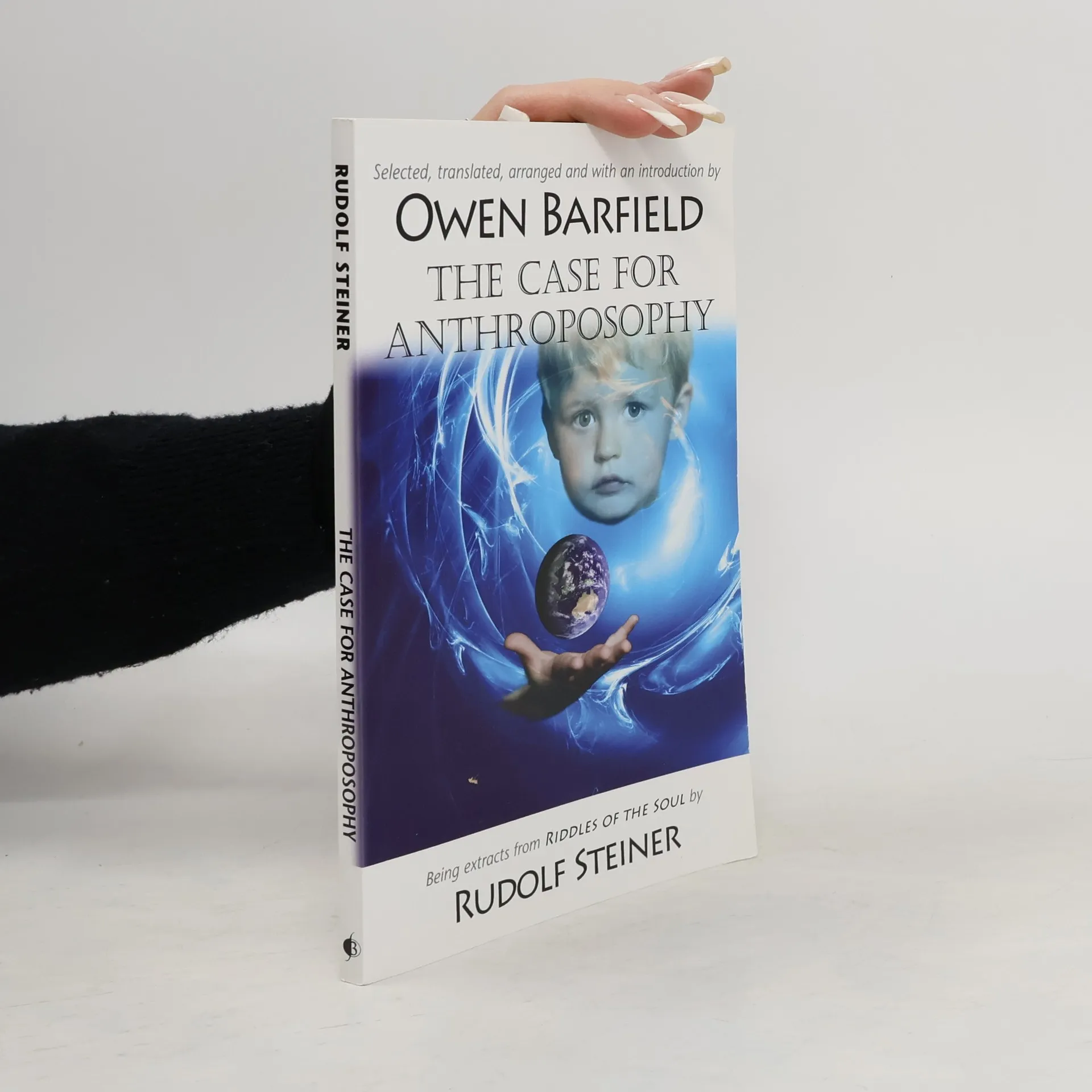
The Case for Anthroposophy, Owen Barfield
- Język

- Rok wydania
- 2010
- Oprawa
- (miękka)
Metody płatności
Brakuje nam tutaj Twojej recenzji.
- Tytuł
- The Case for Anthroposophy
- Język
- angielski
- Autorzy
- Owen Barfield
- Rok wydania
- 2010
- Oprawa
- miękka
- Liczba stron
- 104
- ISBN10
- 0955958237
- ISBN13
- 9780955958236
- Seria
- Kategorie
- Tagi
- Ocena
- 2,35 z 5
- Opis
- What does it mean to be human? 'The Case for Anthroposophy' invites us to explore human nature in the true scientific spirit, "a will to know and a refusal to accept boundaries except for the purpose of overthrowing them" (Owen Barfield, "Introduction"). Doing so, we discover that we are essentially spiritual beings. Internationally renowned for his books about language, the imagination, and the evolution of consciousness, Owen Barfield found that his own researches were consistently confirmed, deepened, and enlarged by anthroposophy, the science of the spirit inaugurated by Rudolf Steiner. For almost three quarters of a century, from 1923 until his death in December 1997, Barfield actively studied anthroposophy. Those who are interested in his life and work will find this volume particularly valuable, not only because it so lucidly and powerfully sets forth the case for the science of the spirit that Barfield himself practiced, but also because it is a splendid example of Barfield's outstanding skill as translator and editor.