


Więcej o książce
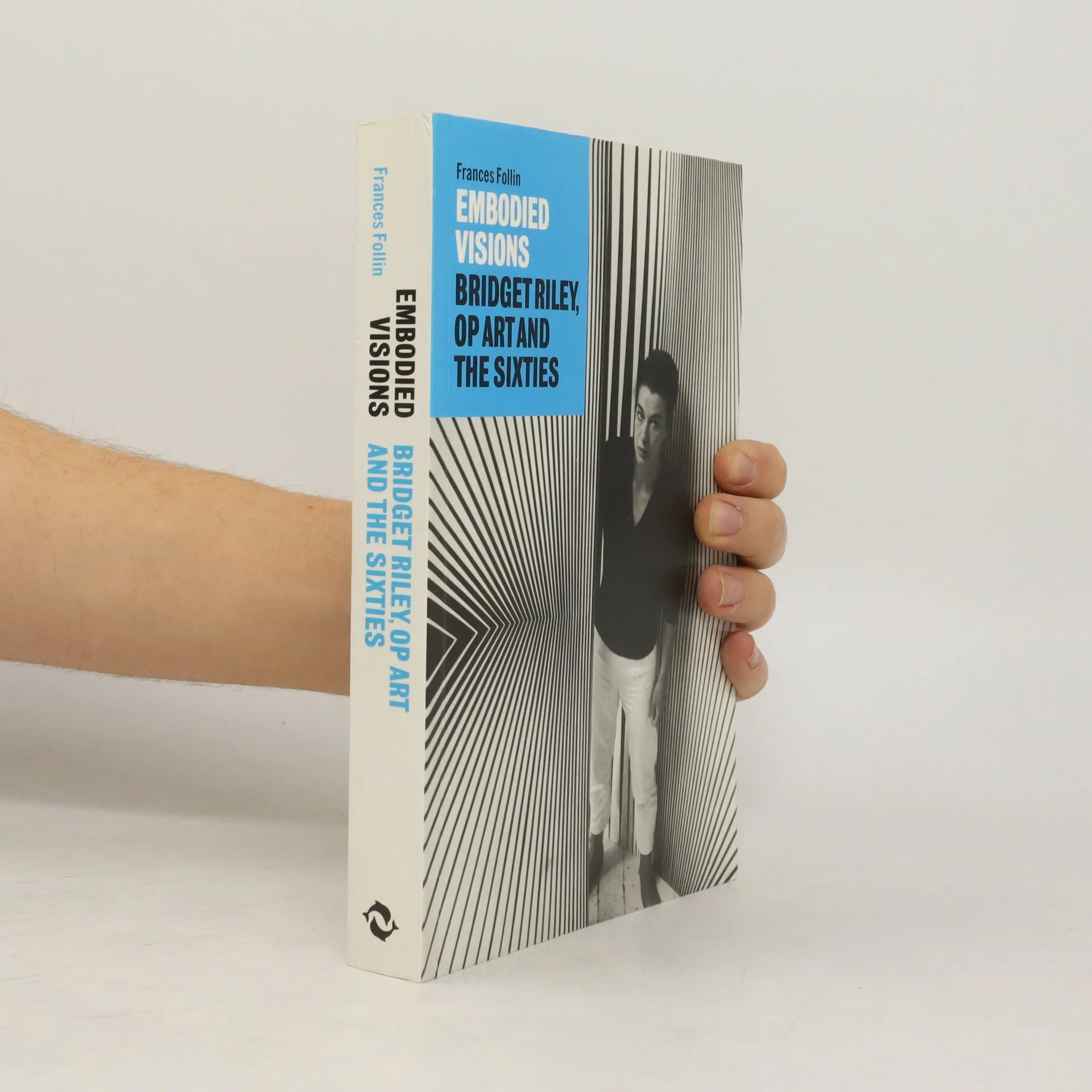
Bridget Riley's Op art paintings are icons of the 1960s, and fascinate art lovers as much now as they did then. Their central position in the art history of the period has not been generally explored, however - until now. In this new book, based on eight years' research, Frances Follin examines contemporary reviews of Riley's work to reveal the complex associations between these paintings and the culture in which they were produced. Far from being the peripheral art form that some later accounts have presented, Follin shows how Riley's Op work occupies a key position in debates on modernism in the arts and in the future of Western societies. She explores the ways in which Riley's work relates in unexpected and subtle ways to the other art of the period, from Happenings to Minimalism, to earlier art such as Pollock's and to later developments in postmodernism, and to areas of culture that might seem to have little to do with art at all, such as the 'space race' or the development of the hippy culture. As Embodied Visions so deftly illustrates, Riley's art is a point of focus at which many strands of art and cultural history come together.
Zakup książki
Embodied Visions, Frances Follin
- Język

- Rok wydania
- 2004
- Oprawa
- (miękka)
Metody płatności
Brakuje nam tutaj Twojej recenzji.
- Tytuł
- Embodied Visions
- Język
- angielski
- Autorzy
- Frances Follin
- Wydawca
- Thames & Hudson
- Rok wydania
- 2004
- Oprawa
- miękka
- Liczba stron
- 264
- ISBN10
- 0500976430
- ISBN13
- 9780500976432
- Seria
- Kategorie
- Tagi
- Ocena
- 2,5 z 5
- Opis
- Bridget Riley's Op art paintings are icons of the 1960s, and fascinate art lovers as much now as they did then. Their central position in the art history of the period has not been generally explored, however - until now. In this new book, based on eight years' research, Frances Follin examines contemporary reviews of Riley's work to reveal the complex associations between these paintings and the culture in which they were produced. Far from being the peripheral art form that some later accounts have presented, Follin shows how Riley's Op work occupies a key position in debates on modernism in the arts and in the future of Western societies. She explores the ways in which Riley's work relates in unexpected and subtle ways to the other art of the period, from Happenings to Minimalism, to earlier art such as Pollock's and to later developments in postmodernism, and to areas of culture that might seem to have little to do with art at all, such as the 'space race' or the development of the hippy culture. As Embodied Visions so deftly illustrates, Riley's art is a point of focus at which many strands of art and cultural history come together.