


Więcej o książce
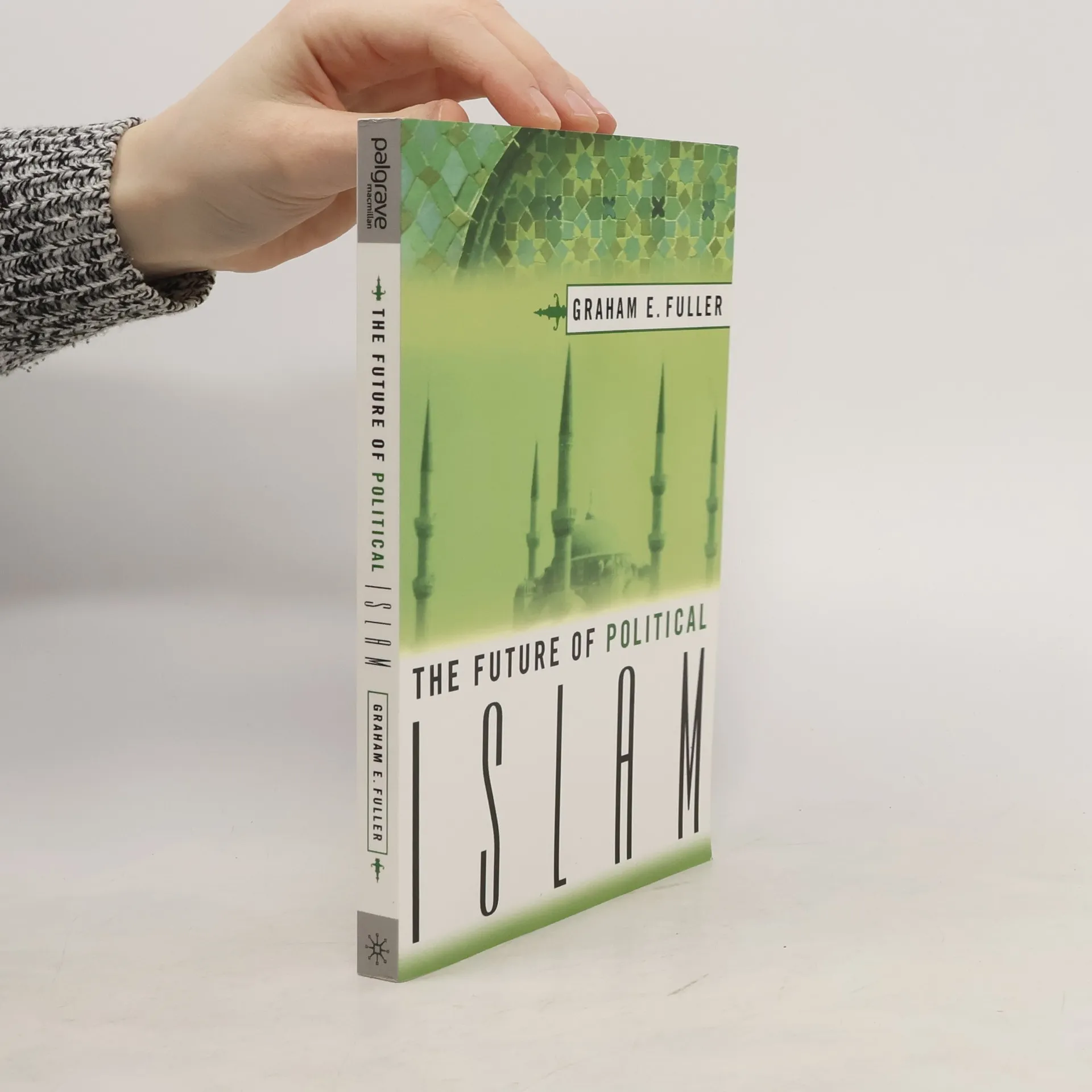
Graham E. Fuller brings a lifetime of experience in the Muslim world to shed light on how common, even universal, political behavior takes on a distinctively Islamic guise in the Muslim world. By examining the social, economic and political context, he explains that the struggle between the fundamentalists and liberals will determine the future of political Islam. This sweeping survey of trends in the Muslim world, from Morocco to the Philippines, explores the diversity of Islamic political activity and makes clear that Islamic political movements represent a broad spectrum of outlook and behavior. Whether traditional or liberal, these movements have become an important vehicle for the concerns, aspirations and grievances of vast numbers of Muslims worldwide and are a natural outgrowth of Muslim history. Fuller contends that while political Islam is the dominant intellectual current, a focus on radicalism and extremism blinds us from another trend: liberal political Islam. The issues are not what is Islam, but what Muslims want, and not whether Islam will play a central role in politics, but which Islam. As Islam has become the vocabulary for political and social expression, it has come to serve various agendas.
Zakup książki
The Future of Political Islam, Graham E. Fuller
- Język

- Rok wydania
- 2003
- Oprawa
- (miękka)
Metody płatności
Brakuje nam tutaj Twojej recenzji.
- Tytuł
- The Future of Political Islam
- Język
- angielski
- Autorzy
- Graham E. Fuller
- Wydawca
- Palgrave Macmillan
- Rok wydania
- 2003
- Oprawa
- miękka
- Liczba stron
- 256
- ISBN10
- 1403965560
- ISBN13
- 9781403965561
- Seria
- Kategorie
- Ocena
- 3,2 z 5
- Opis
- Graham E. Fuller brings a lifetime of experience in the Muslim world to shed light on how common, even universal, political behavior takes on a distinctively Islamic guise in the Muslim world. By examining the social, economic and political context, he explains that the struggle between the fundamentalists and liberals will determine the future of political Islam. This sweeping survey of trends in the Muslim world, from Morocco to the Philippines, explores the diversity of Islamic political activity and makes clear that Islamic political movements represent a broad spectrum of outlook and behavior. Whether traditional or liberal, these movements have become an important vehicle for the concerns, aspirations and grievances of vast numbers of Muslims worldwide and are a natural outgrowth of Muslim history. Fuller contends that while political Islam is the dominant intellectual current, a focus on radicalism and extremism blinds us from another trend: liberal political Islam. The issues are not what is Islam, but what Muslims want, and not whether Islam will play a central role in politics, but which Islam. As Islam has become the vocabulary for political and social expression, it has come to serve various agendas.