

Więcej o książce
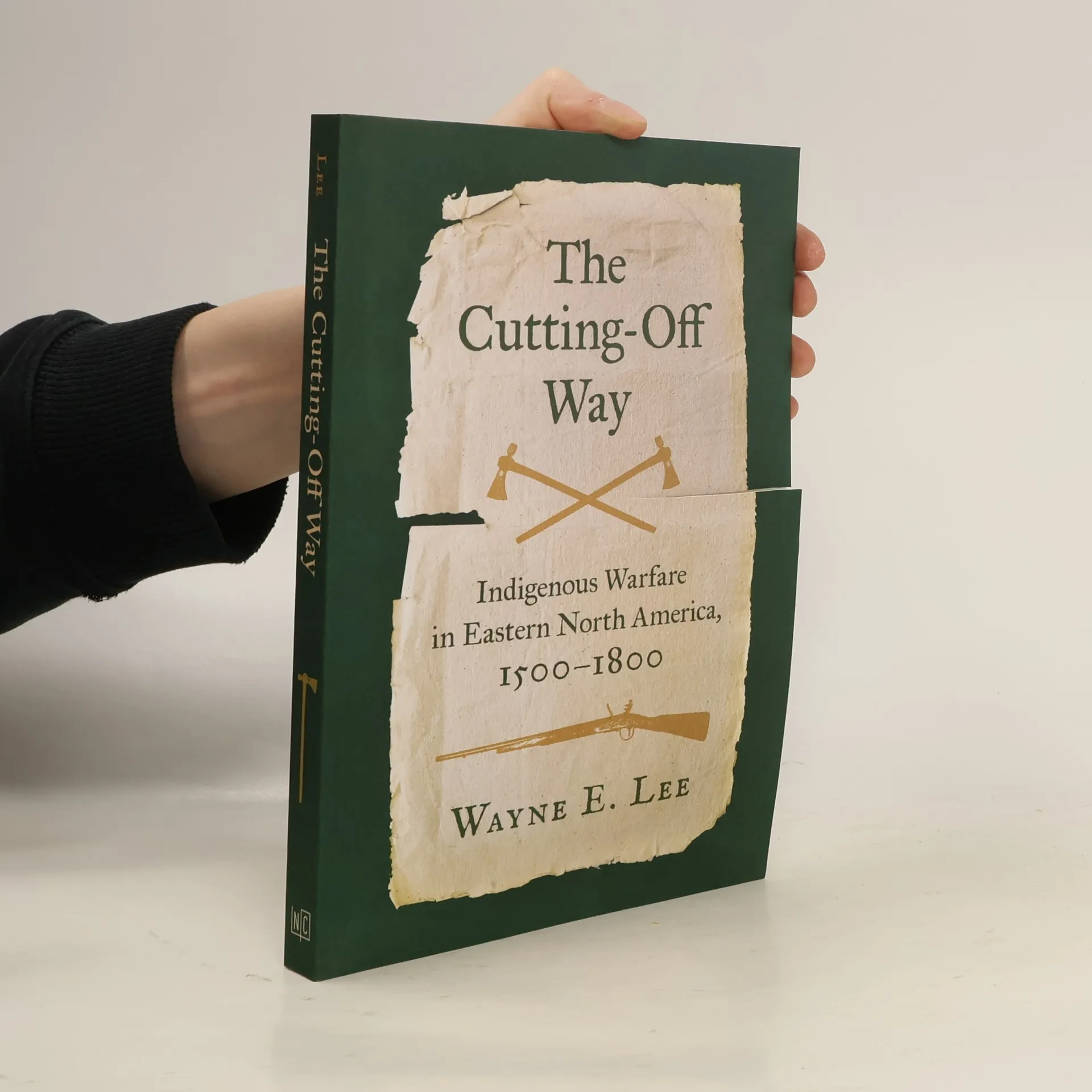
Incorporating archeology, anthropology, and cartography into military history, Wayne E. Lee's research has been a standard for scholars of Native-settler-colonial wars in the early modern, colonial, and early Republic eras, especially European-Indigenous wars and intra-tribal wars in eastern North America. In this volume, Lee revisits and updates his "cutting-off way of war" paradigm to recast Indigenous warfare in a framework of the lived realities of Native people rather than with regard to European and settler military strategies and practices. In a mix of classic and new essays, Lee shows that Indigenous people lacked deep reserves of population systems for coercive military recruitment and as such were wary of heavy casualties. Instead, they generally sought to surprise their targets, and the size of the target varied with the size of the attacking force. A small war party might only seek to "cut off" individuals found getting water, wood, or out hunting, while a larger party might aim at attacking a whole town. Lee demonstrates how this unfolded in practice via case studies that detail intra-tribal and Indigenous-colonial warfare from precontact through the American Revolution.
Zakup książki
The Cutting-Off Way, Wayne E Lee
- Język

- Rok wydania
- 2023
- Oprawa
- (miękka)
Metody płatności
Brakuje nam tutaj Twojej recenzji.
- Tytuł
- The Cutting-Off Way
- Język
- angielski
- Autorzy
- Wayne E Lee
- Wydawca
- UNC Press
- Rok wydania
- 2023
- Oprawa
- miękka
- Liczba stron
- 300
- ISBN10
- 1469673789
- ISBN13
- 9781469673783
- Seria
- Ocena
- 4,2 z 5
- Opis
- Incorporating archeology, anthropology, and cartography into military history, Wayne E. Lee's research has been a standard for scholars of Native-settler-colonial wars in the early modern, colonial, and early Republic eras, especially European-Indigenous wars and intra-tribal wars in eastern North America. In this volume, Lee revisits and updates his "cutting-off way of war" paradigm to recast Indigenous warfare in a framework of the lived realities of Native people rather than with regard to European and settler military strategies and practices. In a mix of classic and new essays, Lee shows that Indigenous people lacked deep reserves of population systems for coercive military recruitment and as such were wary of heavy casualties. Instead, they generally sought to surprise their targets, and the size of the target varied with the size of the attacking force. A small war party might only seek to "cut off" individuals found getting water, wood, or out hunting, while a larger party might aim at attacking a whole town. Lee demonstrates how this unfolded in practice via case studies that detail intra-tribal and Indigenous-colonial warfare from precontact through the American Revolution.