



Więcej o książce
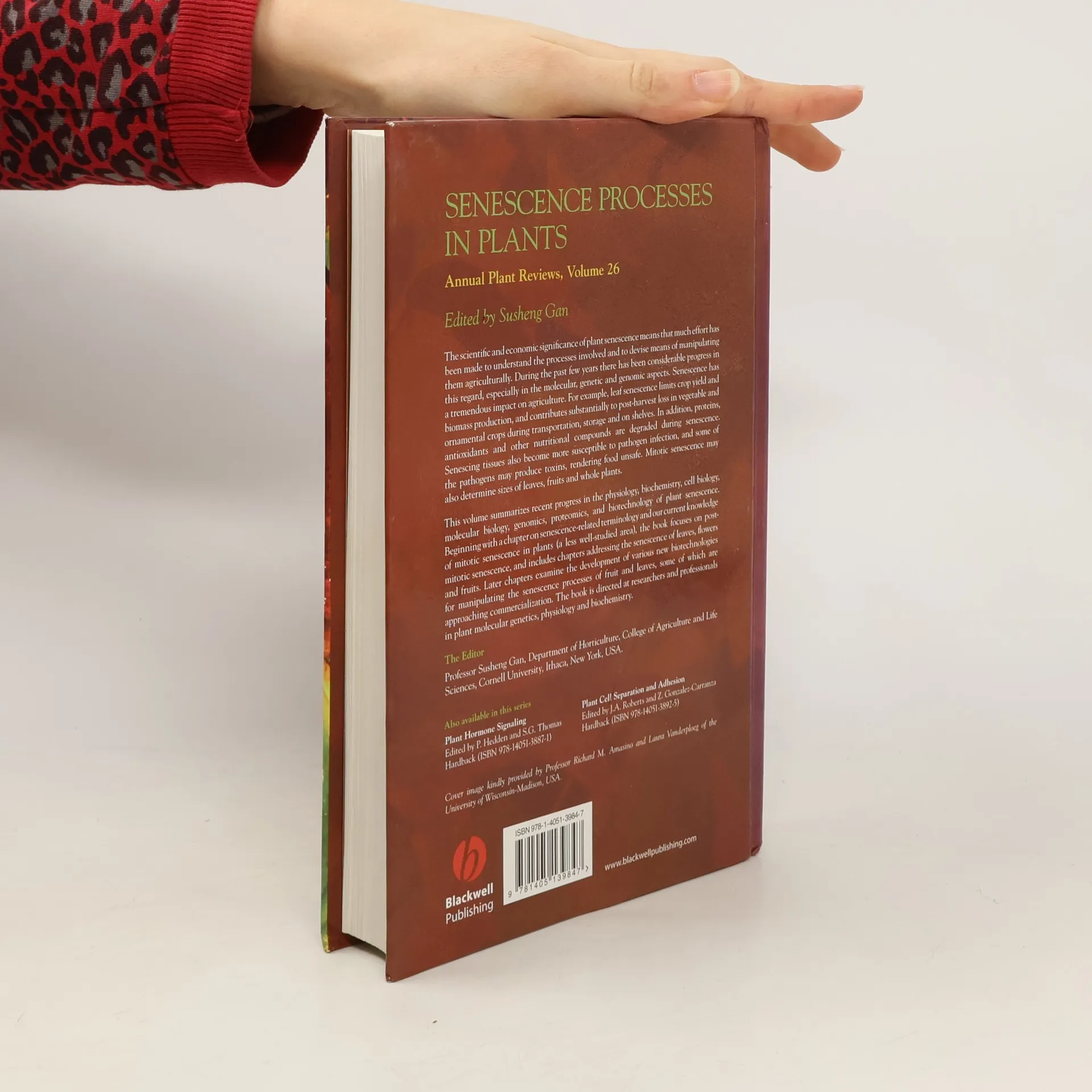
The scientific and economic significance of plant senescence has led to extensive research aimed at understanding and manipulating these processes for agricultural benefit. Recent advancements in molecular, genetic, and genomic studies have highlighted the profound impact of senescence on agriculture. Leaf senescence, for instance, limits crop yield and biomass production, while also contributing significantly to postharvest losses in vegetables and ornamental crops during transportation and storage. Additionally, the degradation of proteins, antioxidants, and other nutritional compounds occurs during senescence, making tissues more vulnerable to pathogen infections, some of which can produce harmful toxins. Mitotic senescence influences the size of leaves, fruits, and entire plants. This volume summarizes recent progress in various fields related to plant senescence, starting with terminology and current knowledge on mitotic senescence, which is less explored. It then delves into post-mitotic senescence, covering the senescence of leaves, flowers, and fruits. Later chapters discuss the development of innovative biotechnologies aimed at manipulating senescence processes in fruits and leaves, with some nearing commercialization. The book targets researchers and professionals in plant molecular genetics, physiology, and biochemistry.
Zakup książki
Senescence processes in plants, Susheng Gan
- Język

- Rok wydania
- 2007
- Oprawa
- (twarda)
Metody płatności
Nikt jeszcze nie ocenił.
- Tytuł
- Senescence processes in plants
- Język
- angielski
- Autorzy
- Susheng Gan
- Wydawca
- Blackwell Pub
- Rok wydania
- 2007
- Oprawa
- twarda
- ISBN10
- 1405139846
- ISBN13
- 9781405139847
- Seria
- Opis
- The scientific and economic significance of plant senescence has led to extensive research aimed at understanding and manipulating these processes for agricultural benefit. Recent advancements in molecular, genetic, and genomic studies have highlighted the profound impact of senescence on agriculture. Leaf senescence, for instance, limits crop yield and biomass production, while also contributing significantly to postharvest losses in vegetables and ornamental crops during transportation and storage. Additionally, the degradation of proteins, antioxidants, and other nutritional compounds occurs during senescence, making tissues more vulnerable to pathogen infections, some of which can produce harmful toxins. Mitotic senescence influences the size of leaves, fruits, and entire plants. This volume summarizes recent progress in various fields related to plant senescence, starting with terminology and current knowledge on mitotic senescence, which is less explored. It then delves into post-mitotic senescence, covering the senescence of leaves, flowers, and fruits. Later chapters discuss the development of innovative biotechnologies aimed at manipulating senescence processes in fruits and leaves, with some nearing commercialization. The book targets researchers and professionals in plant molecular genetics, physiology, and biochemistry.