

Więcej o książce
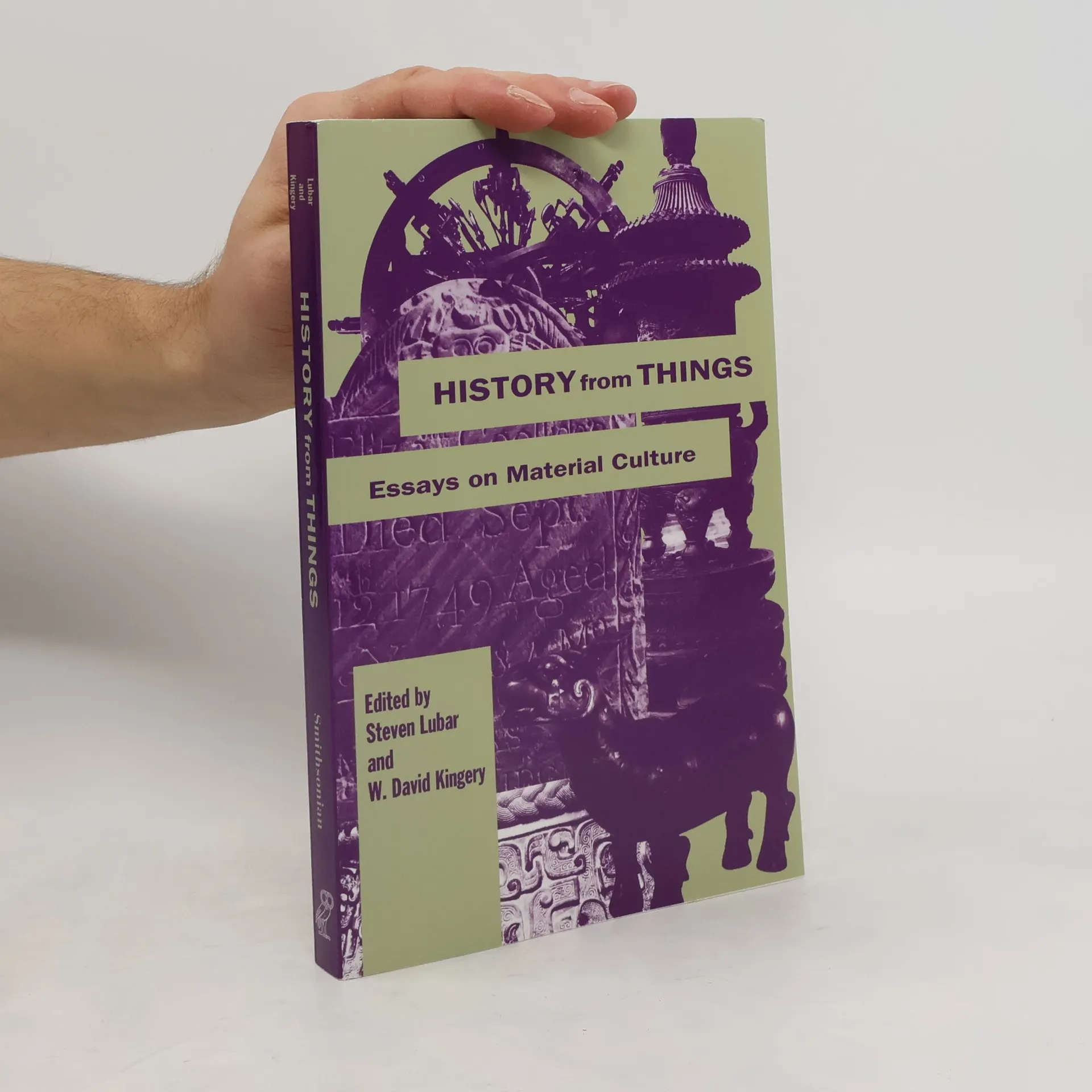
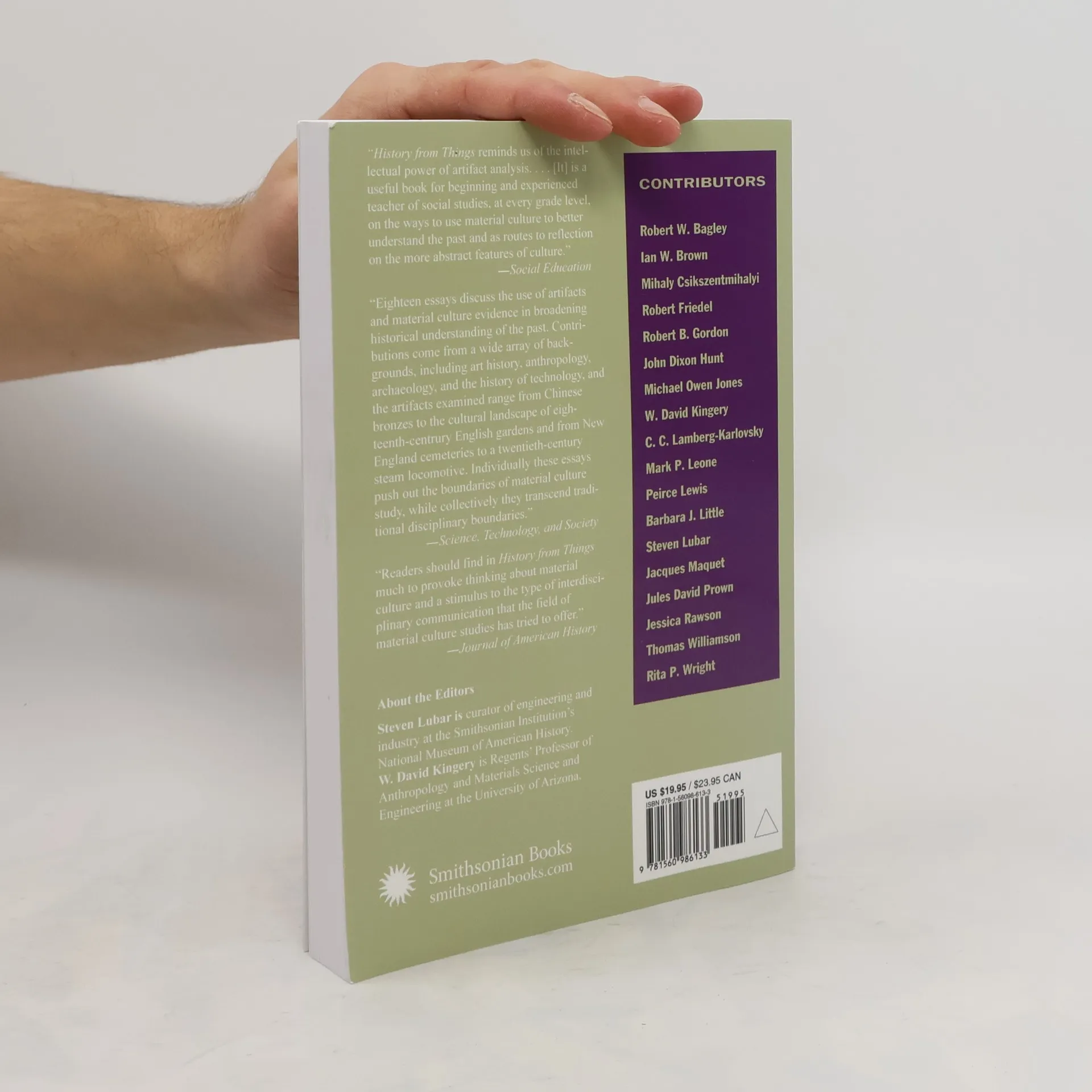
History from Things explores the many ways objects—defined broadly to range from Chippendale tables and Italian Renaissance pottery to seventeenth-century parks and a New England cemetery—can reconstruct and help reinterpret the past. Eighteen essays describe how to “read” artifacts, how to “listen to” landscapes and locations, and how to apply methods and theories to historical inquiry that have previously belonged solely to archaeologists, anthropologists, art historians, and conservation scientists. Spanning vast time periods, geographical locations, and academic disciplines, History from Things leaps the boundaries between fields that use material evidence to understand the past. The book expands and redirects the study of material culture—an emerging field now building a common base of theory and a shared intellectual agenda.
Zakup książki
History from Things, Stephen Lubar, W. David Kingery
- Język

- Rok wydania
- 1993
- Oprawa
- (miękka)
Metody płatności
Brakuje nam tutaj Twojej recenzji.
- Tytuł
- History from Things
- Podtytuł
- Essays on Material Culture
- Język
- angielski
- Autorzy
- Stephen Lubar, W. David Kingery
- Rok wydania
- 1993
- Oprawa
- miękka
- Liczba stron
- 320
- ISBN10
- 1560986131
- ISBN13
- 9781560986133
- Seria
- Ocena
- 3,4 z 5
- Opis
- History from Things explores the many ways objects—defined broadly to range from Chippendale tables and Italian Renaissance pottery to seventeenth-century parks and a New England cemetery—can reconstruct and help reinterpret the past. Eighteen essays describe how to “read” artifacts, how to “listen to” landscapes and locations, and how to apply methods and theories to historical inquiry that have previously belonged solely to archaeologists, anthropologists, art historians, and conservation scientists. Spanning vast time periods, geographical locations, and academic disciplines, History from Things leaps the boundaries between fields that use material evidence to understand the past. The book expands and redirects the study of material culture—an emerging field now building a common base of theory and a shared intellectual agenda.