



Parametry
Więcej o książce
This is a major textbook in European politics. Comparative in approach, it examines the problems of West European democracies in the era of the Single European Act and the Treaty of Maastricht. Allum discusses the politics of the four major Western European countries - Britain, France, Germany and Italy. He examines key institutions and developments in the light of contemporary social and political science paradigms, combining theory with empirical material. At the same time, he situates national politics within the broader context of European integration. Comparative in intent, the book is organized around themes and not economy, civil society and the state. It includes chapters on the economy, social structure, political cleavages and communication, parties and groups as well as governmental institutions (executive, administration, subnational government and coercive apparatus). Each chapter is illustrated with a wealth of concrete examples. The book is intended for students of European and comparative politics, and for those concerned with the political aspects of European studies.
Zakup książki
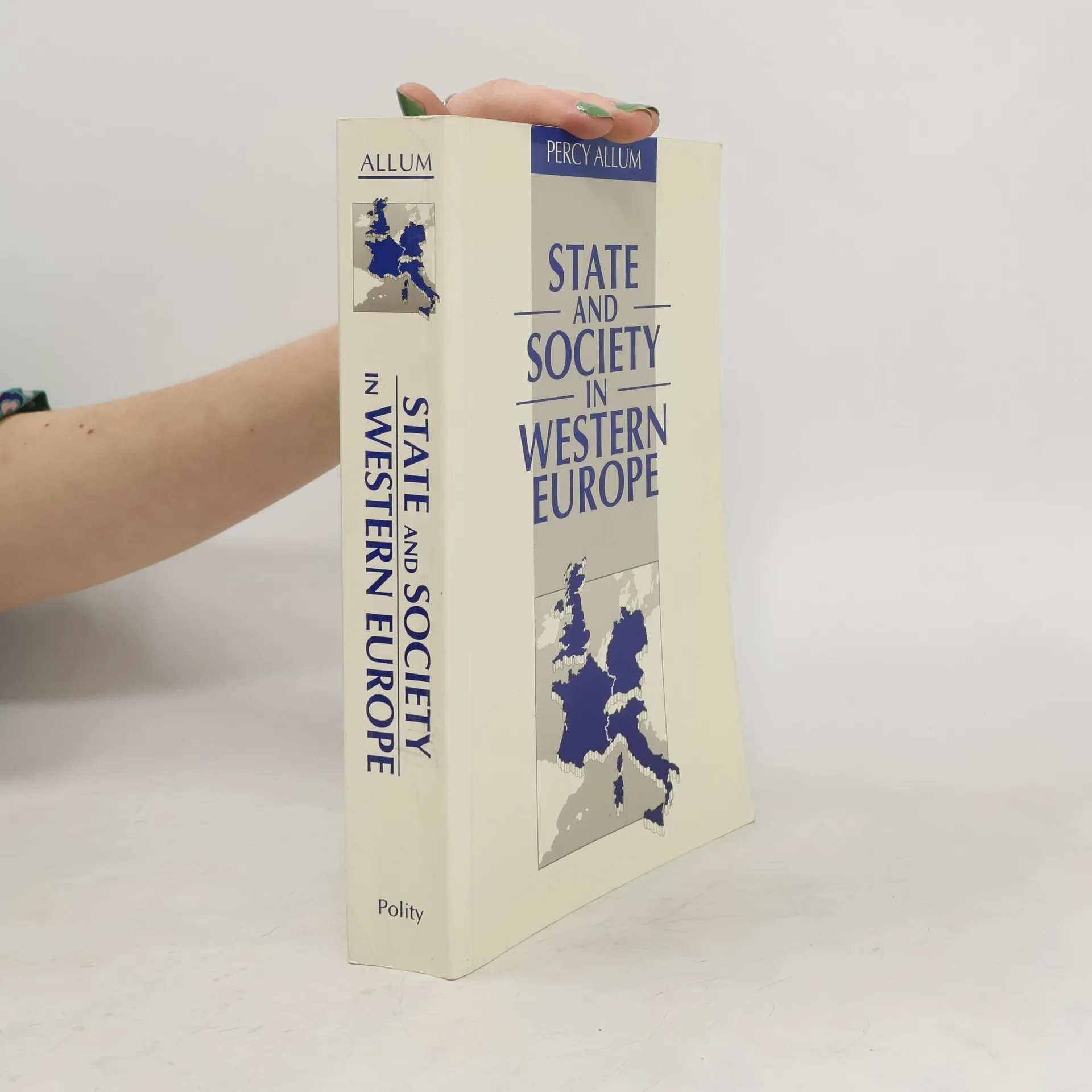
State and Society in Western Europe, Percy Allum
- Język

- Rok wydania
- 1995
- Oprawa
- (miękka)
Metody płatności
Brakuje nam tutaj Twojej recenzji.
- Tytuł
- State and Society in Western Europe
- Język
- angielski
- Autorzy
- Percy Allum
- Wydawca
- Polity
- Rok wydania
- 1995
- Oprawa
- miękka
- ISBN10
- 0745604102
- ISBN13
- 9780745604107
- Seria
- Tagi
- Ocena
- 2 z 5
- Opis
- This is a major textbook in European politics. Comparative in approach, it examines the problems of West European democracies in the era of the Single European Act and the Treaty of Maastricht. Allum discusses the politics of the four major Western European countries - Britain, France, Germany and Italy. He examines key institutions and developments in the light of contemporary social and political science paradigms, combining theory with empirical material. At the same time, he situates national politics within the broader context of European integration. Comparative in intent, the book is organized around themes and not economy, civil society and the state. It includes chapters on the economy, social structure, political cleavages and communication, parties and groups as well as governmental institutions (executive, administration, subnational government and coercive apparatus). Each chapter is illustrated with a wealth of concrete examples. The book is intended for students of European and comparative politics, and for those concerned with the political aspects of European studies.