


Parametry
Więcej o książce
In this, the first full-length treatment of the child in Spanish cinema, Sarah Wright explores the ways that the cinematic child comes to represent 'prosthetic memory'. The central theme of the child and the monster is used to examine the relationship of the self to the past, and to cinema. Concentrating on films from the 1950s to the present day, the book explores religious films, musicals, 'art-house horror', science-fiction, social realism and fantasy. It includes reference to Erice's The Spirit of The Beehive, del Toro's Pan's Labyrinth, Mañas's El Bola and the Marisol films. The book also draws on a century of filmmaking in Spain and intersects with recent revelations concerning the horrors of the Spanish past. The child is a potent motif for the loss of historical memory and for its recuperation through cinema. This book is suitable for scholars and undergraduates working in the areas of Spanish cinema, Spanish cultural studies and cinema studies.
Zakup książki
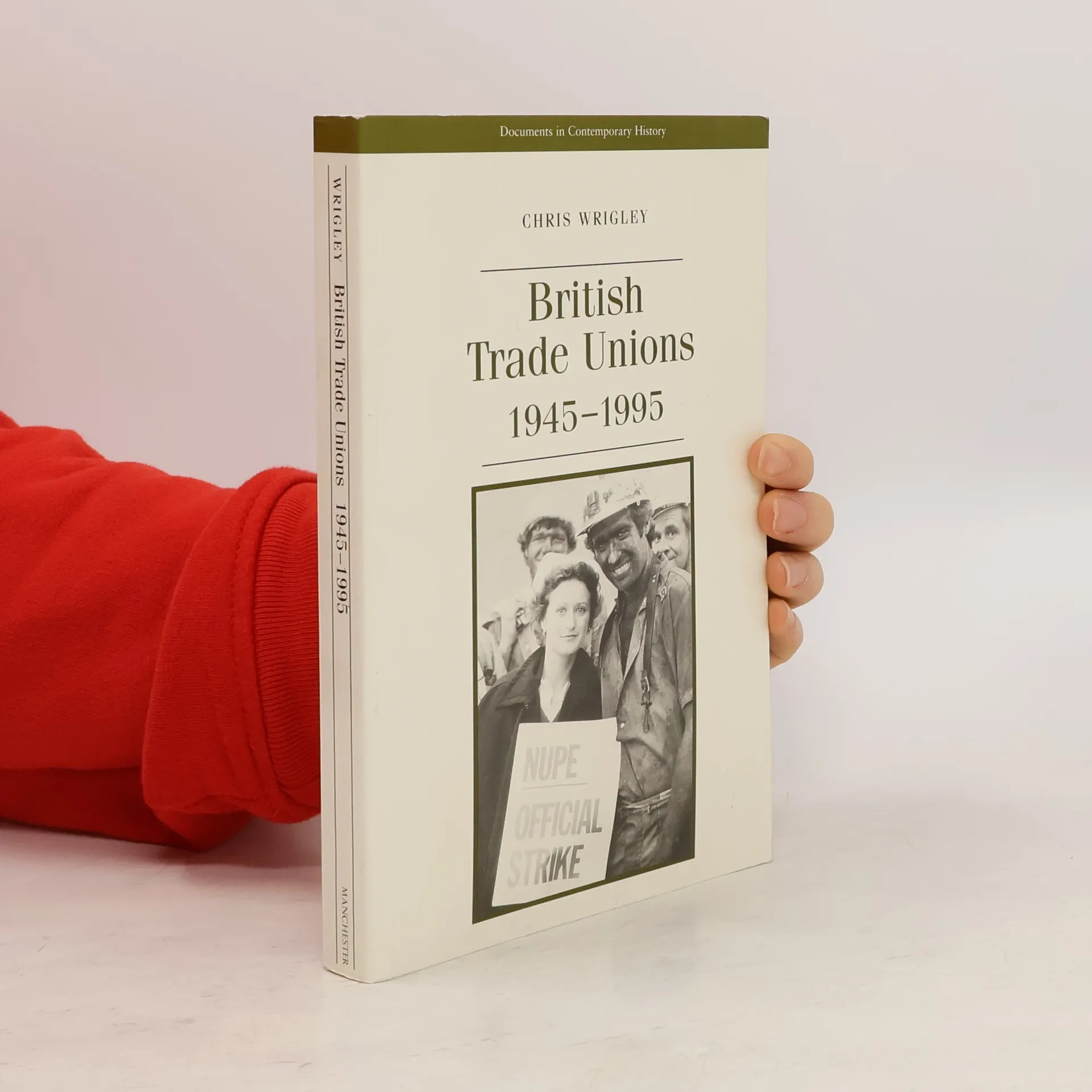
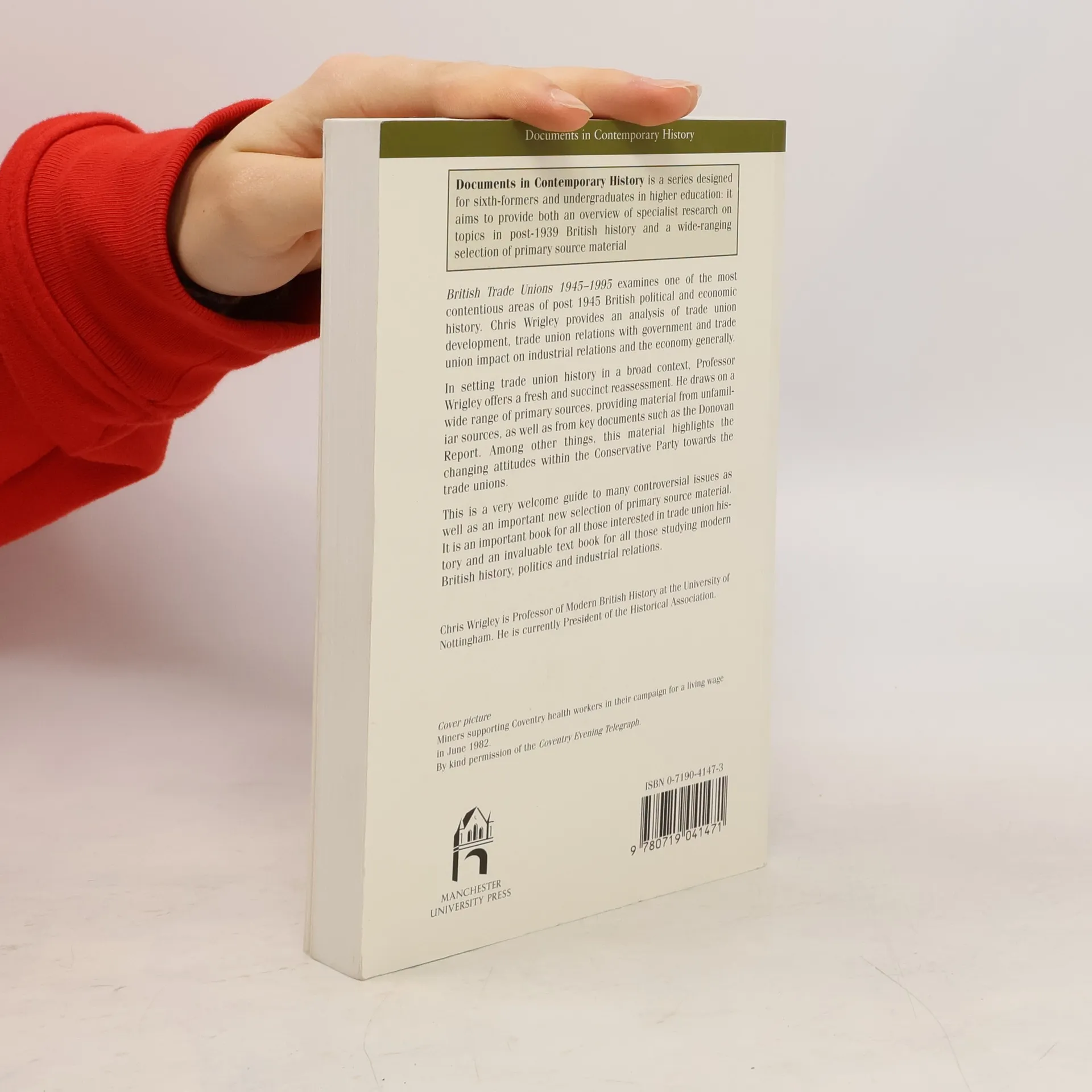
British Trade Unions 1945-1995, Christopher Wrigley
- Język

- Rok wydania
- 1997
- Oprawa
- (miękka)
Metody płatności
Nikt jeszcze nie ocenił.
- Tytuł
- British Trade Unions 1945-1995
- Język
- angielski
- Autorzy
- Christopher Wrigley
- Wydawca
- Manchester University Press
- Rok wydania
- 1997
- Oprawa
- miękka
- ISBN10
- 0719041473
- ISBN13
- 9780719041471
- Seria
- Opis
- In this, the first full-length treatment of the child in Spanish cinema, Sarah Wright explores the ways that the cinematic child comes to represent 'prosthetic memory'. The central theme of the child and the monster is used to examine the relationship of the self to the past, and to cinema. Concentrating on films from the 1950s to the present day, the book explores religious films, musicals, 'art-house horror', science-fiction, social realism and fantasy. It includes reference to Erice's The Spirit of The Beehive, del Toro's Pan's Labyrinth, Mañas's El Bola and the Marisol films. The book also draws on a century of filmmaking in Spain and intersects with recent revelations concerning the horrors of the Spanish past. The child is a potent motif for the loss of historical memory and for its recuperation through cinema. This book is suitable for scholars and undergraduates working in the areas of Spanish cinema, Spanish cultural studies and cinema studies.