

Więcej o książce
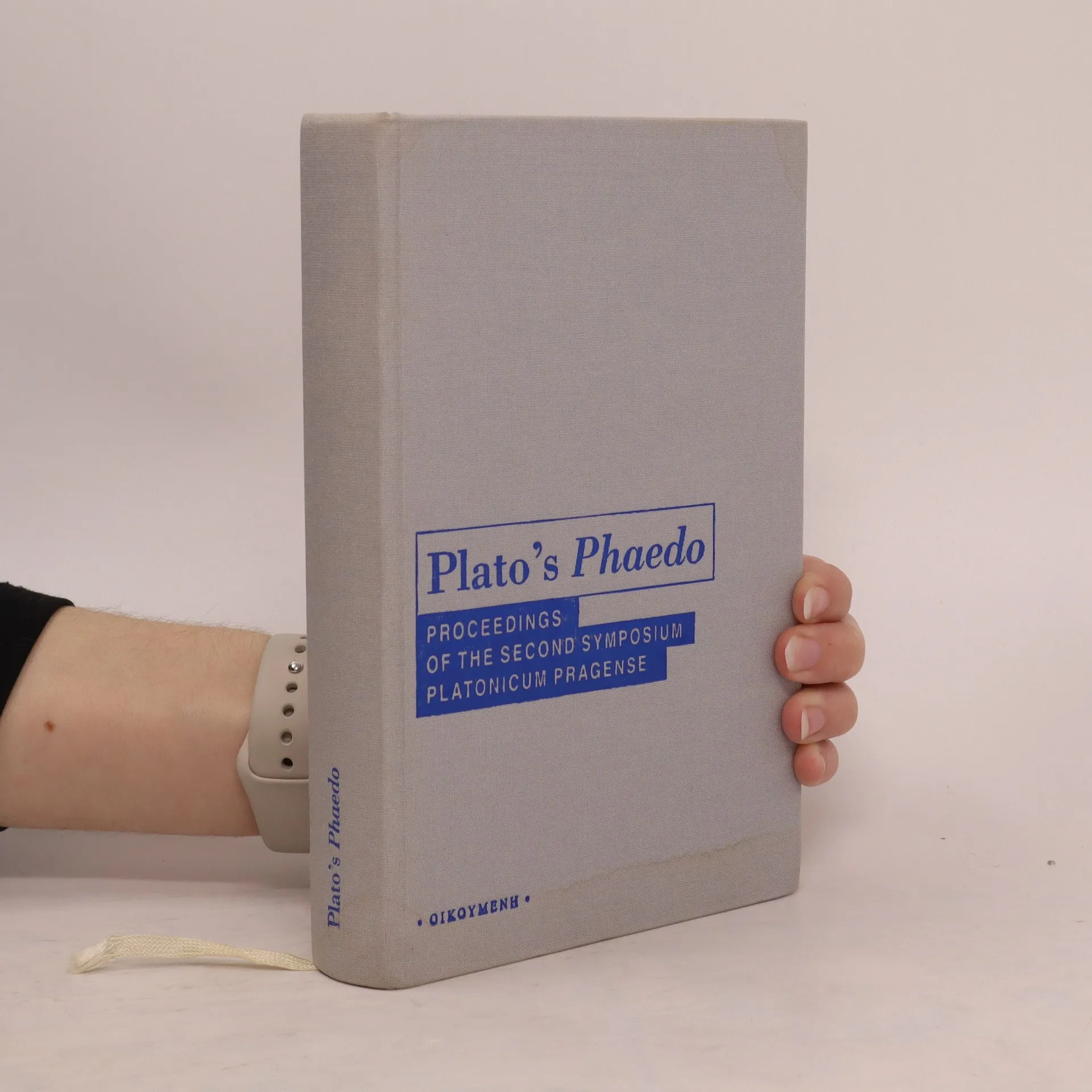
This collection features texts from the 2nd International Prague Platonic Symposium held from October 20-23, 1999. It includes contributions from various scholars exploring key themes and arguments in Plato's dialogues, particularly the "Phaedo." G. Reale discusses foundational themes, structure, and key concepts in the "Phaedo." C. J. Rowe examines the concept of philosophy (philosophia) in Plato's work. Ch. Quarch analyzes Socrates' farewell and the movement of philosophical education in the "Phaedo." E. Heitsch reflects on the perspectives of the author and characters regarding their arguments. N. Blößner investigates Socrates' happiness and the motivations behind the writing of the "Phaedo." J. Tomin focuses on Socrates' role in the dialogue. Other contributions include discussions on virtue, the argument of reincarnation, the process of recollection, the interplay of emotions, and the philosophical implications of the soul and body. Scholars like T. M. Robinson and F. Karfík delve into the teachings on the soul and cosmology, while M. Dixsaut addresses the immortality and indestructibility of the soul. K. Dorter presents an implicit argument regarding the nature of the deathless, and F. Lisi examines the fate of the soul as depicted in specific sections of the "Phaedo."
Zakup książki
Plato's Phaedo, Filip Karfík, Aleš Havlíček
- Język

- Rok wydania
- 2001
- Oprawa
- (miękka)
Metody płatności
Nikt jeszcze nie ocenił.
- Tytuł
- Plato's Phaedo
- Język
- angielski
- Autorzy
- Filip Karfík, Aleš Havlíček
- Wydawca
- OIKOYMENH
- Rok wydania
- 2001
- Oprawa
- miękka
- Liczba stron
- 474
- ISBN10
- 8072980319
- ISBN13
- 9788072980314
- Seria
- Tagi
- Opis
- This collection features texts from the 2nd International Prague Platonic Symposium held from October 20-23, 1999. It includes contributions from various scholars exploring key themes and arguments in Plato's dialogues, particularly the "Phaedo." G. Reale discusses foundational themes, structure, and key concepts in the "Phaedo." C. J. Rowe examines the concept of philosophy (philosophia) in Plato's work. Ch. Quarch analyzes Socrates' farewell and the movement of philosophical education in the "Phaedo." E. Heitsch reflects on the perspectives of the author and characters regarding their arguments. N. Blößner investigates Socrates' happiness and the motivations behind the writing of the "Phaedo." J. Tomin focuses on Socrates' role in the dialogue. Other contributions include discussions on virtue, the argument of reincarnation, the process of recollection, the interplay of emotions, and the philosophical implications of the soul and body. Scholars like T. M. Robinson and F. Karfík delve into the teachings on the soul and cosmology, while M. Dixsaut addresses the immortality and indestructibility of the soul. K. Dorter presents an implicit argument regarding the nature of the deathless, and F. Lisi examines the fate of the soul as depicted in specific sections of the "Phaedo."