

Parametry
Więcej o książce
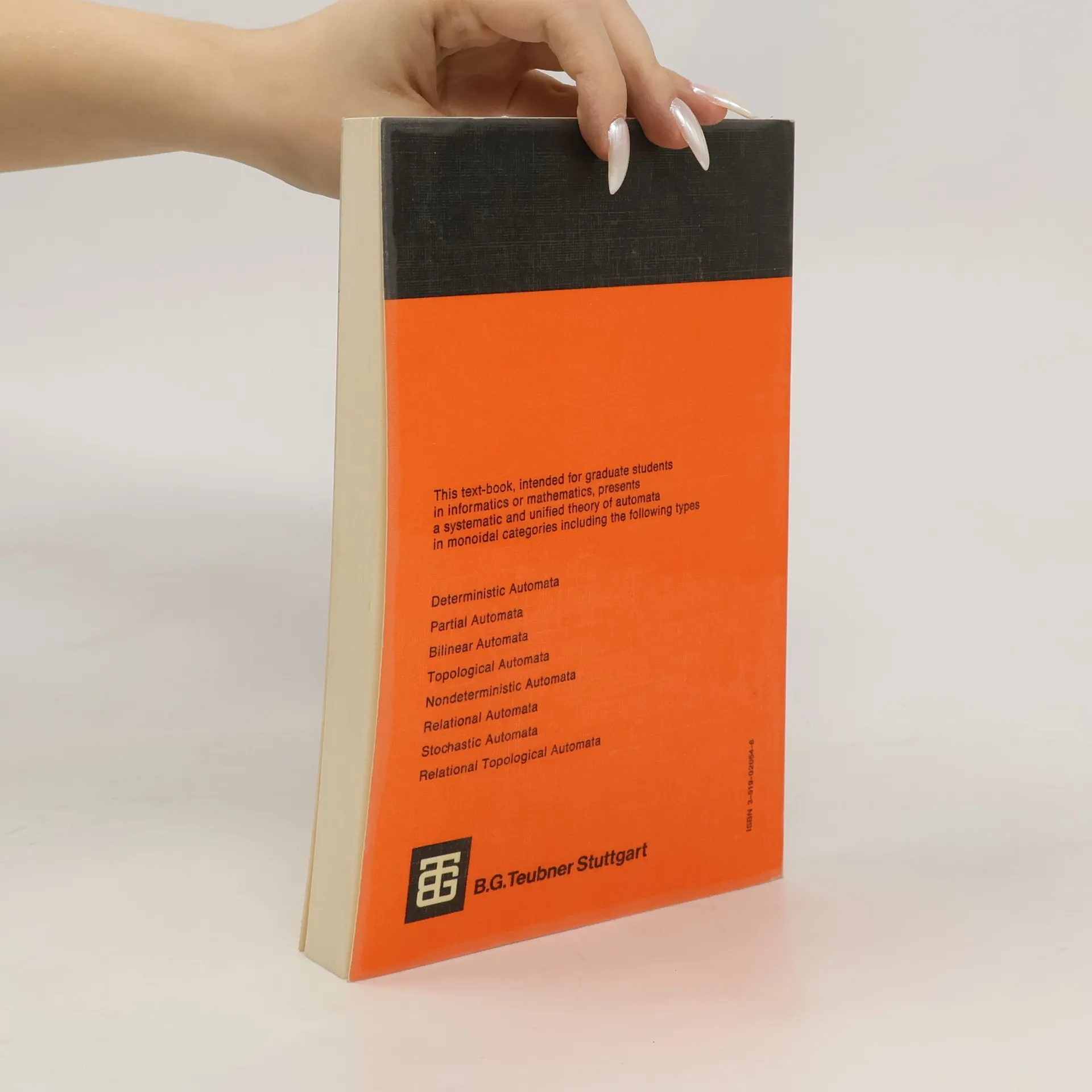
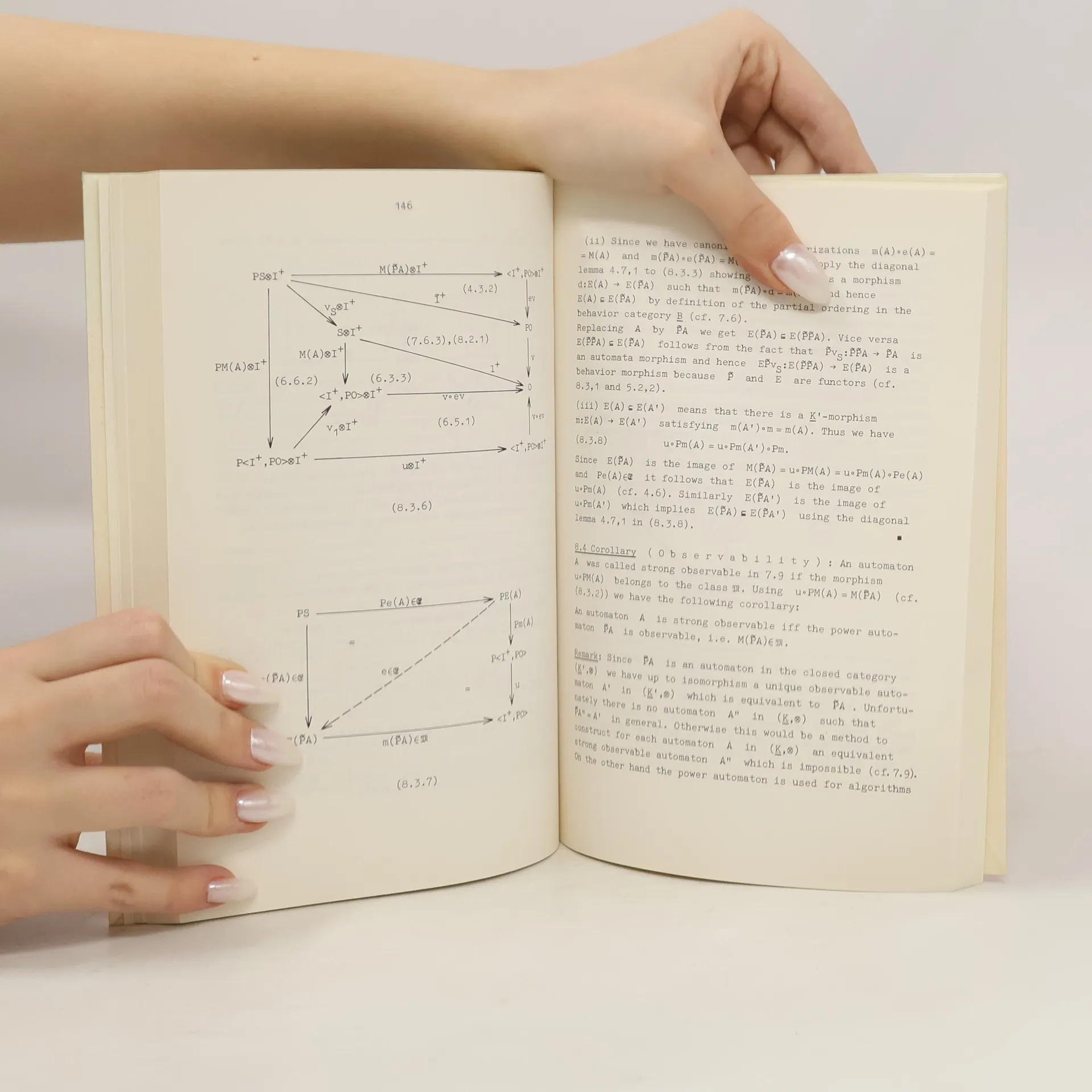
The book covers a comprehensive exploration of automata through various frameworks and theories. It begins with a unified representation of different types of automata, including deterministic, nondeterministic, stochastic, and topological, alongside their relation to monoidal categories. Key problems in automata theory are addressed, focusing on behavior, reduction, minimization, and realization of deterministic and nondeterministic automata, as well as transition monoids and structure theory. The text delves into general concepts of reduction and minimization, presenting systematic approaches and relevant theorems. It further examines the behavior of automata in closed categories, emphasizing deterministic cases, and discusses the implications of machine morphisms and behavior characterization. In pseudoclosed categories, the book explores nondeterministic automata, detailing their behavior and reduction processes. It also introduces power automata and initial automata, highlighting their construction, realization, and minimization techniques. The concept of scoop minimization is presented, along with a thorough structure theory of automata, which includes constructions of various automata types and characterizations of morphisms. An appendix provides foundational notions of category theory, encompassing essential concepts such as categories, diagrams, functors, and transformations. The book is a vital resource for und
Zakup książki
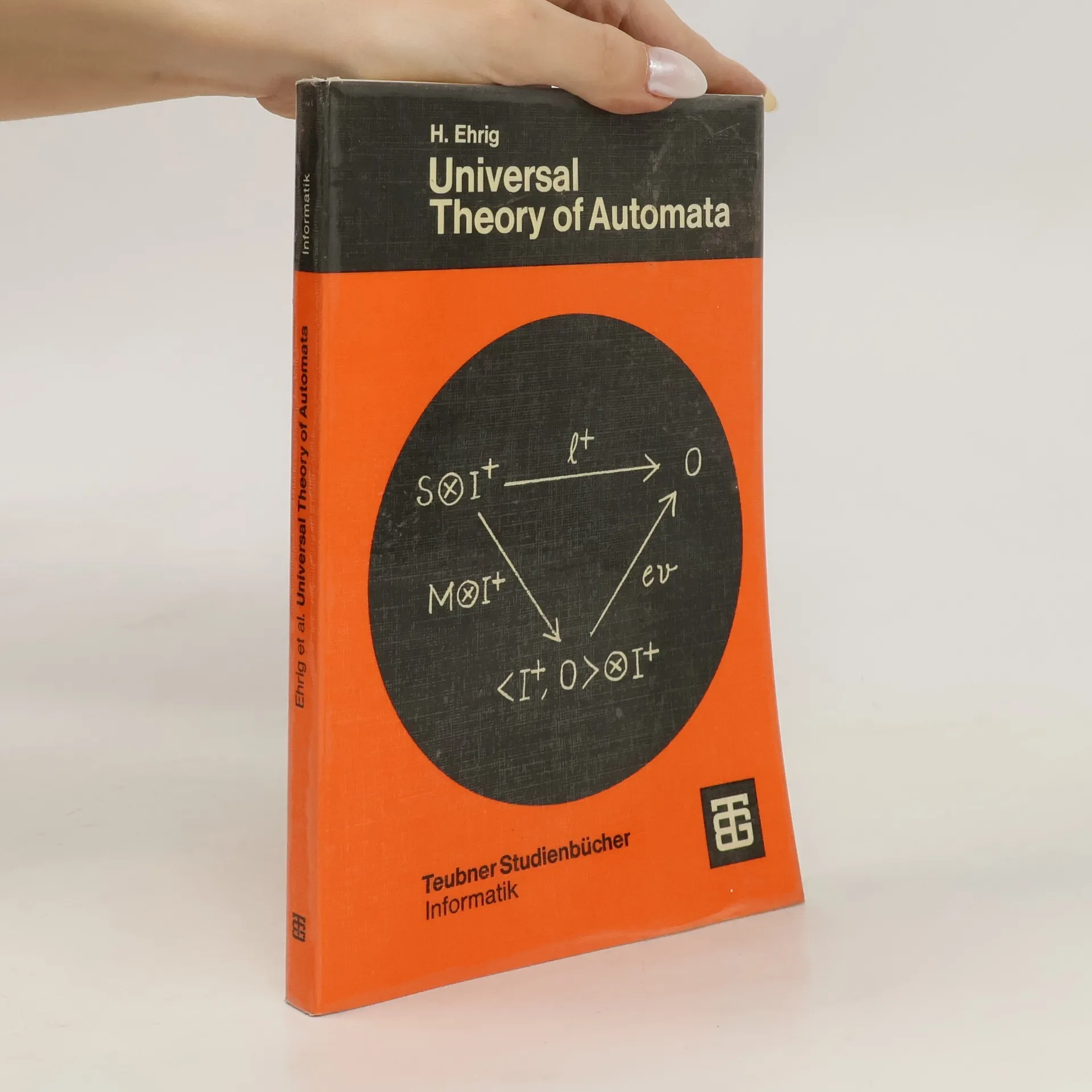
Universal theory of automata, Hartmut Ehrig
- Język

- Rok wydania
- 1974
- Oprawa
- (miękka)
Metody płatności
Nikt jeszcze nie ocenił.
- Tytuł
- Universal theory of automata
- Język
- niemiecki
- Autorzy
- Hartmut Ehrig
- Wydawca
- Teubner
- Rok wydania
- 1974
- Oprawa
- miękka
- ISBN10
- 3519020548
- ISBN13
- 9783519020547
- Seria
- Tagi
- Opis
- The book covers a comprehensive exploration of automata through various frameworks and theories. It begins with a unified representation of different types of automata, including deterministic, nondeterministic, stochastic, and topological, alongside their relation to monoidal categories. Key problems in automata theory are addressed, focusing on behavior, reduction, minimization, and realization of deterministic and nondeterministic automata, as well as transition monoids and structure theory. The text delves into general concepts of reduction and minimization, presenting systematic approaches and relevant theorems. It further examines the behavior of automata in closed categories, emphasizing deterministic cases, and discusses the implications of machine morphisms and behavior characterization. In pseudoclosed categories, the book explores nondeterministic automata, detailing their behavior and reduction processes. It also introduces power automata and initial automata, highlighting their construction, realization, and minimization techniques. The concept of scoop minimization is presented, along with a thorough structure theory of automata, which includes constructions of various automata types and characterizations of morphisms. An appendix provides foundational notions of category theory, encompassing essential concepts such as categories, diagrams, functors, and transformations. The book is a vital resource for und