

Więcej o książce
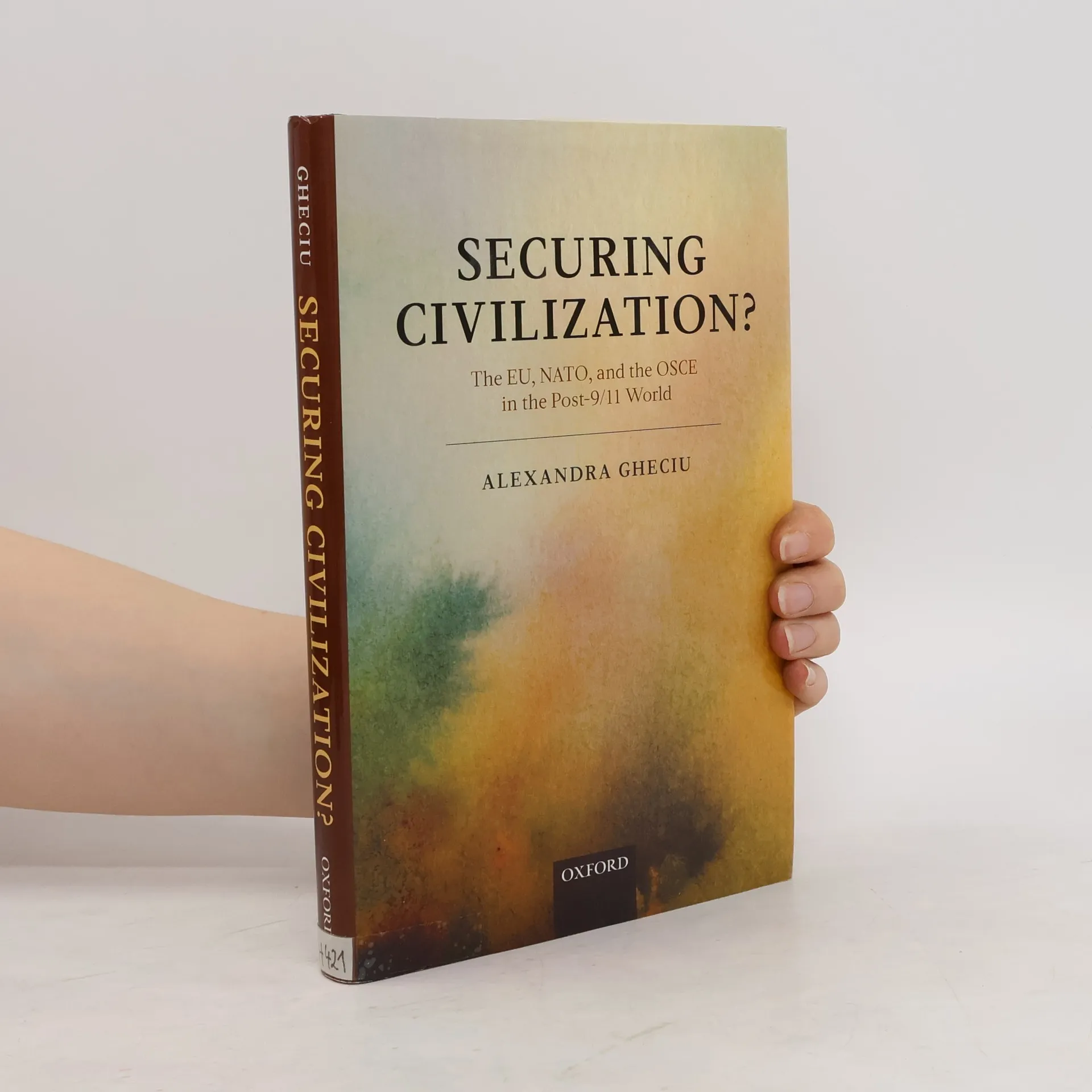
This book examines the practices enacted by three key institutions of the transatlantic security community-the EU, NATO and the OSCE--in the name of combating international terrorism, and analyzes the ways in which those practices have both been affected by and contributed to changes in the field of security. It argues that contemporary attempts to respond to the perceived threat of international terrorism reflect a particular ethos of risk-management and involve a combination of two different-an inclusive and an exclusionary--logics of security. The book examines the interplay between the two logics and analyzes their implications, including the ways in which practices that instantiate those logics have contributed to processes of redefinition of norms of governance and reconstitution of boundaries in the security community. In developing this analysis, the book also explores the normative and political dilemmas generated by patterns of inclusion/exclusion created in the name offighting terrorism. On this basis, the book seeks to make a significant contribution to the study of security practices and international governance in the post-9/11 world.This book is a project of the Oxford Leverhulme Programme on the Changing Character of War.
Zakup książki
Securing Civilization?, Alexandra Gheciu
- Język

- Rok wydania
- 2008
- Oprawa
- (twarda)
Metody płatności
Nikt jeszcze nie ocenił.
- Tytuł
- Securing Civilization?
- Podtytuł
- The EU, NATO, and the OSCE in the Post-9/11 World
- Język
- angielski
- Autorzy
- Alexandra Gheciu
- Wydawca
- Oxford University Press
- Rok wydania
- 2008
- Oprawa
- twarda
- Liczba stron
- 253
- ISBN10
- 019921722X
- ISBN13
- 9780199217229
- Seria
- Tagi
- Opis
- This book examines the practices enacted by three key institutions of the transatlantic security community-the EU, NATO and the OSCE--in the name of combating international terrorism, and analyzes the ways in which those practices have both been affected by and contributed to changes in the field of security. It argues that contemporary attempts to respond to the perceived threat of international terrorism reflect a particular ethos of risk-management and involve a combination of two different-an inclusive and an exclusionary--logics of security. The book examines the interplay between the two logics and analyzes their implications, including the ways in which practices that instantiate those logics have contributed to processes of redefinition of norms of governance and reconstitution of boundaries in the security community. In developing this analysis, the book also explores the normative and political dilemmas generated by patterns of inclusion/exclusion created in the name offighting terrorism. On this basis, the book seeks to make a significant contribution to the study of security practices and international governance in the post-9/11 world.This book is a project of the Oxford Leverhulme Programme on the Changing Character of War.