

Więcej o książce
The collapse of communism in central and eastern Europe in 1989 was a remarkable event in a century marked by the unexpected. How did people, divided for generations by an Iron Curtain, suddenly unite atop the Berlin Wall? Why did those who seemed resigned to their fate take control of their futures? While some analysts attribute the Revolution to economic factors, George Weigel argues that the motivations were deeper. People do not risk their lives merely for material gains; a profound change in consciousness was necessary. Weigel posits that this "revolution of conscience" was crucial to the political upheaval of 1989. He explores the Catholic Church's influence on this moral transformation, drawing on interviews with key figures from human rights and resistance movements. This provides insight into the spirit of the Revolution and the motivations of its leaders. Weigel highlights Pope John Paul II's role in challenging communism's "culture of the lie," and discusses the Church's potential future in supporting democracy in former Warsaw Pact nations. Ultimately, Weigel asserts that this "final revolution" signifies an ongoing human quest for true freedom that fulfills the deepest yearnings of the heart, reshaping the political landscape of the twentieth century.
Zakup książki
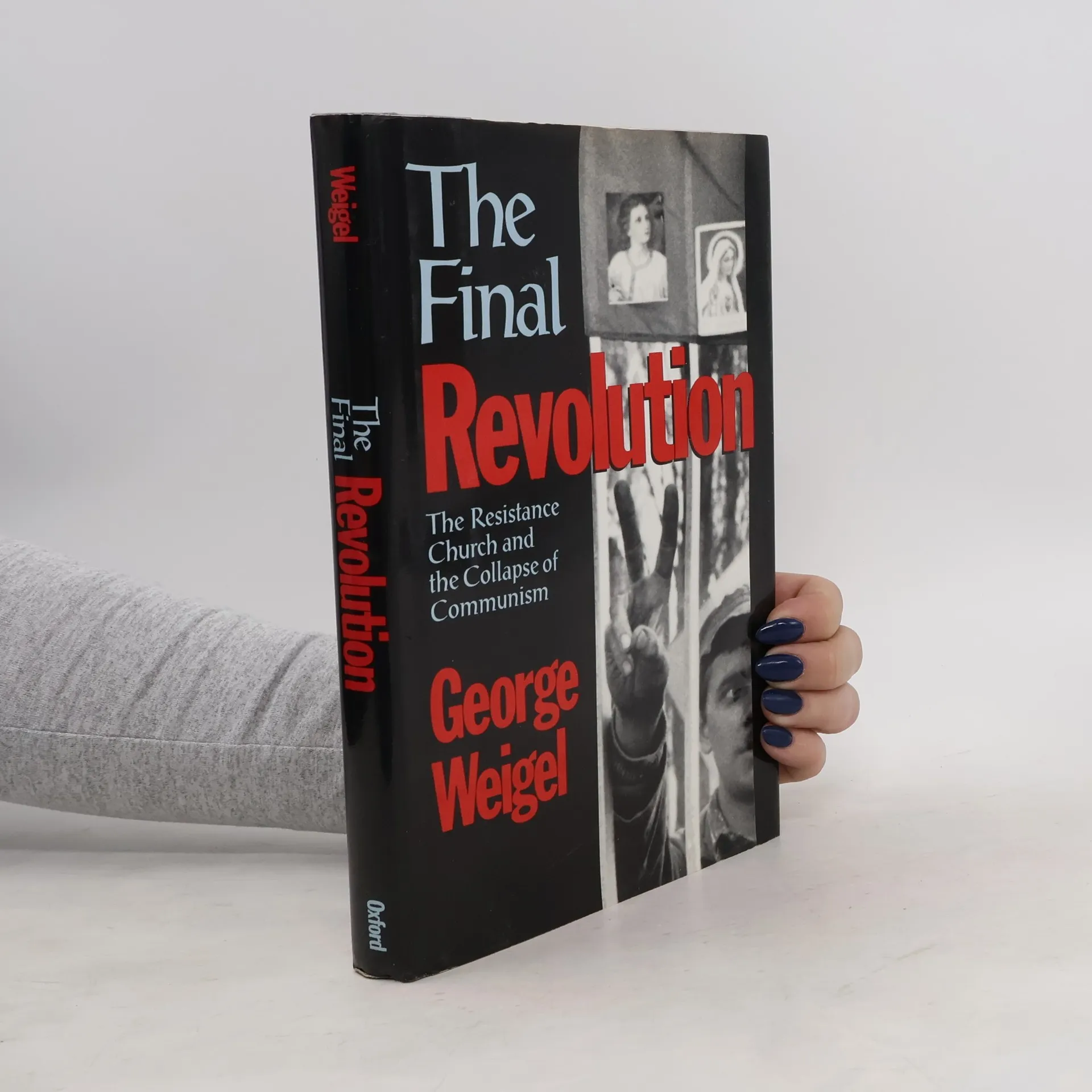
The Final Revolution, George Weigel
- Język

- Rok wydania
- 1992
- Oprawa
- (twarda)
Metody płatności
Brakuje nam tutaj Twojej recenzji.
- Tytuł
- The Final Revolution
- Język
- angielski
- Autorzy
- George Weigel
- Wydawca
- Oxford University Press
- Rok wydania
- 1992
- Oprawa
- twarda
- ISBN10
- 0195071603
- ISBN13
- 9780195071603
- Seria
- Ocena
- 4,5 z 5
- Opis
- The collapse of communism in central and eastern Europe in 1989 was a remarkable event in a century marked by the unexpected. How did people, divided for generations by an Iron Curtain, suddenly unite atop the Berlin Wall? Why did those who seemed resigned to their fate take control of their futures? While some analysts attribute the Revolution to economic factors, George Weigel argues that the motivations were deeper. People do not risk their lives merely for material gains; a profound change in consciousness was necessary. Weigel posits that this "revolution of conscience" was crucial to the political upheaval of 1989. He explores the Catholic Church's influence on this moral transformation, drawing on interviews with key figures from human rights and resistance movements. This provides insight into the spirit of the Revolution and the motivations of its leaders. Weigel highlights Pope John Paul II's role in challenging communism's "culture of the lie," and discusses the Church's potential future in supporting democracy in former Warsaw Pact nations. Ultimately, Weigel asserts that this "final revolution" signifies an ongoing human quest for true freedom that fulfills the deepest yearnings of the heart, reshaping the political landscape of the twentieth century.