



Więcej o książce
Having committed itself to gradual enlargement in 1994, NATO took the important step of admitting Poland, Hungary, and the Czech Republic as members in 1999. But even though NATO's enlargement has received an enormous amount of public attention, NATO's transformation in the 1990s is probably the more important of the two steps NATO has taken. Created as an organization dedicated to the collective defense of its members, NATO transformed itself in the 1990s, expanding its mission to include conflict prevention and conflict management throughout Europe, including beyond the boundaries of the NATO treaty area. Both of these processes, enlargement and transformation, have been driven primarily by political imperatives-that is, not by a sense of direct threat, but by an environment-shaping agenda of democratization and integration. NATO's transformation and its enlargement process have profound military implications for the United States and its allies. This report presents a framework for thinking about the determinants of future enlargement, the specific defense challenges they pose, and the shaping policies that might help to address some of the challenges.
Zakup książki
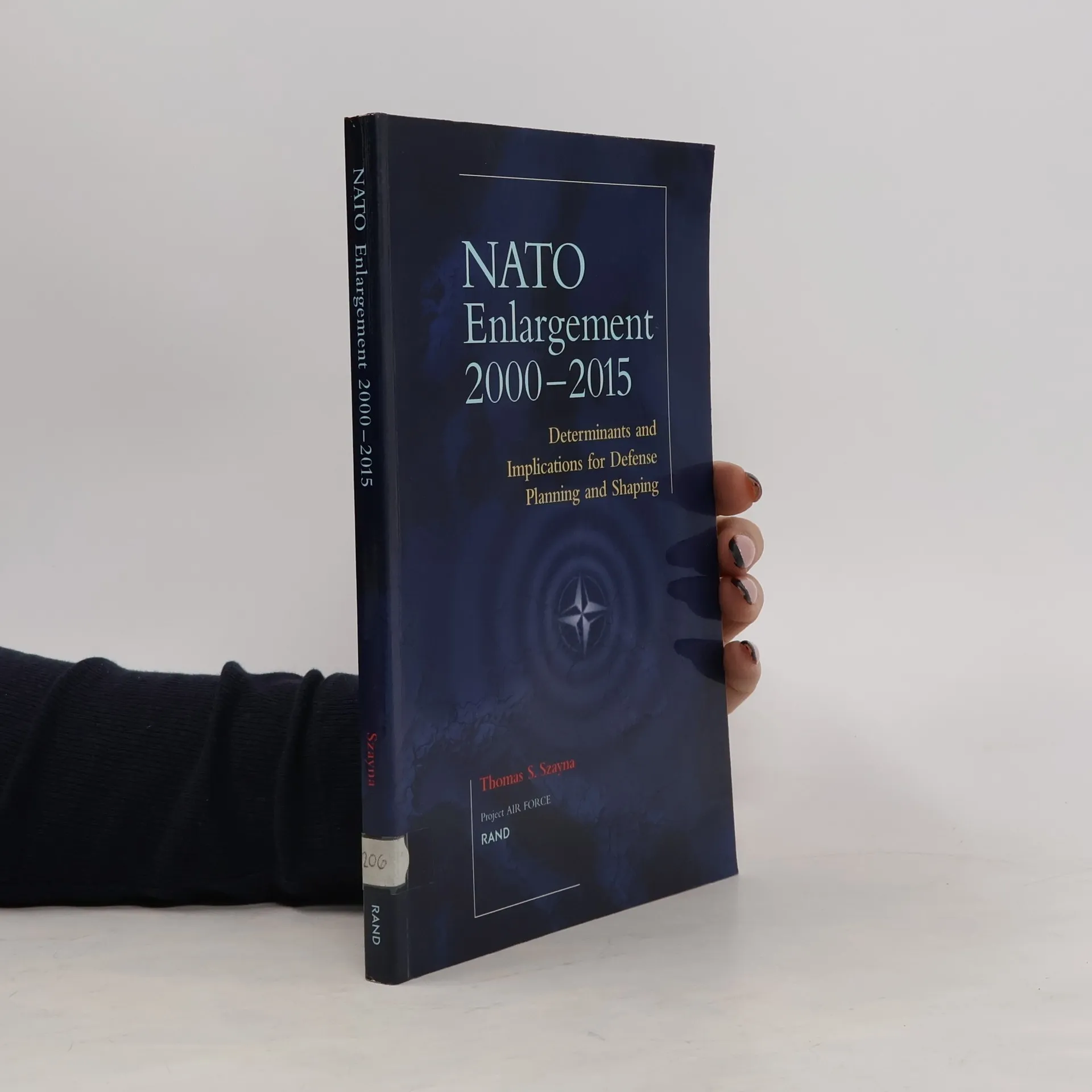
NATO Enlargement, 2000-2015, Thomas S. Szayna
- Język

- Rok wydania
- 2001
- Oprawa
- (miękka)
Metody płatności
Brakuje nam tutaj Twojej recenzji.
- Tytuł
- NATO Enlargement, 2000-2015
- Język
- angielski
- Autorzy
- Thomas S. Szayna
- Wydawca
- RAND
- Rok wydania
- 2001
- Oprawa
- miękka
- Liczba stron
- 165
- ISBN10
- 0833029614
- ISBN13
- 9780833029614
- Seria
- Tagi
- Ocena
- 2,5 z 5
- Opis
- Having committed itself to gradual enlargement in 1994, NATO took the important step of admitting Poland, Hungary, and the Czech Republic as members in 1999. But even though NATO's enlargement has received an enormous amount of public attention, NATO's transformation in the 1990s is probably the more important of the two steps NATO has taken. Created as an organization dedicated to the collective defense of its members, NATO transformed itself in the 1990s, expanding its mission to include conflict prevention and conflict management throughout Europe, including beyond the boundaries of the NATO treaty area. Both of these processes, enlargement and transformation, have been driven primarily by political imperatives-that is, not by a sense of direct threat, but by an environment-shaping agenda of democratization and integration. NATO's transformation and its enlargement process have profound military implications for the United States and its allies. This report presents a framework for thinking about the determinants of future enlargement, the specific defense challenges they pose, and the shaping policies that might help to address some of the challenges.