


Więcej o książce
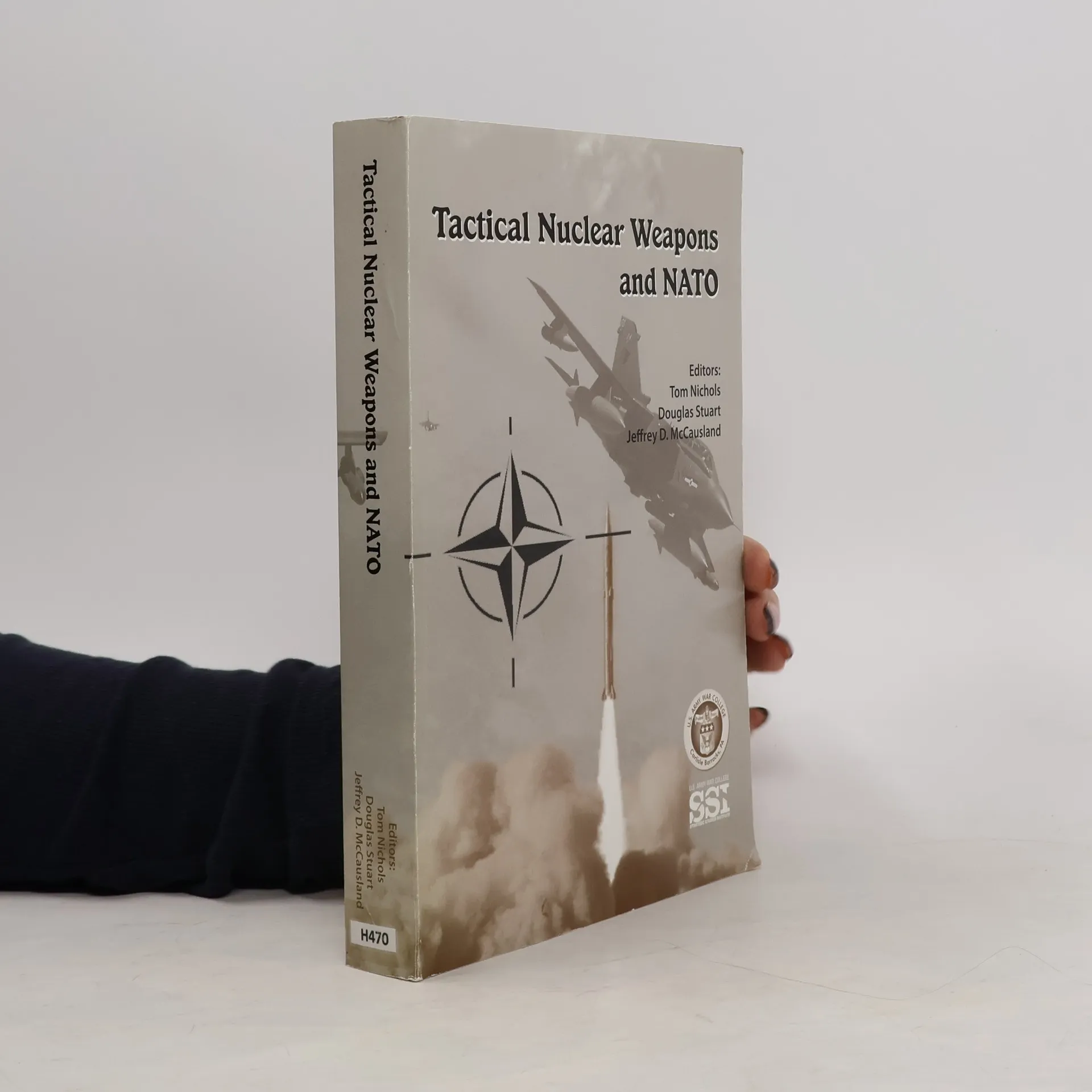
NATO has been a "nuclear" alliance since its inception, with nuclear weapons integral to its military planning and deterrence strategy. For over 40 years, NATO allies have worked to align conventional and nuclear forces, doctrines, and strategies linking the defense of Europe to that of the United States. However, the evolving security landscape necessitates a reevaluation of tactical or non-strategic nuclear weapons (NSNWs). Two key conclusions arise from this analysis. First, since the Cold War's end, the issue of how to address weapons designed for a bygone era remains understudied, both within and outside government circles. While tactical weapons may seem less formidable than strategic ones, they pose significant security and political risks that warrant greater attention. Second, the current status quo regarding these arms is unacceptable. NATO must make decisive choices, develop a coherent strategy, and establish clear plans regarding its nuclear posture. Decisions about the role of nuclear weapons are crucial to NATO's future identity. At the Lisbon Summit in November 2010, the Alliance committed to a Deterrence and Defense Posture Review (DDPR) to tackle these challenging questions ahead of the May 2012 NATO Summit. The United States and its allies need to define future threats, clarifying NATO's identity, purpose, and force requirements. So far, NATO remains at a crossroads.
Zakup książki
Tactical Nuclear Weapons and NATO, Thomas M. Nichols, Douglas T. Stuart, Jeffrey D. McCausland
- Język

- Rok wydania
- 2012
- Oprawa
- (miękka)
Metody płatności
Nikt jeszcze nie ocenił.
- Tytuł
- Tactical Nuclear Weapons and NATO
- Język
- angielski
- Wydawca
- Strategic Studies Institute
- Rok wydania
- 2012
- Oprawa
- miękka
- Liczba stron
- 517
- ISBN10
- 1584875259
- ISBN13
- 9781584875253
- Seria
- Kategorie
- Tagi
- Opis
- NATO has been a "nuclear" alliance since its inception, with nuclear weapons integral to its military planning and deterrence strategy. For over 40 years, NATO allies have worked to align conventional and nuclear forces, doctrines, and strategies linking the defense of Europe to that of the United States. However, the evolving security landscape necessitates a reevaluation of tactical or non-strategic nuclear weapons (NSNWs). Two key conclusions arise from this analysis. First, since the Cold War's end, the issue of how to address weapons designed for a bygone era remains understudied, both within and outside government circles. While tactical weapons may seem less formidable than strategic ones, they pose significant security and political risks that warrant greater attention. Second, the current status quo regarding these arms is unacceptable. NATO must make decisive choices, develop a coherent strategy, and establish clear plans regarding its nuclear posture. Decisions about the role of nuclear weapons are crucial to NATO's future identity. At the Lisbon Summit in November 2010, the Alliance committed to a Deterrence and Defense Posture Review (DDPR) to tackle these challenging questions ahead of the May 2012 NATO Summit. The United States and its allies need to define future threats, clarifying NATO's identity, purpose, and force requirements. So far, NATO remains at a crossroads.