



Więcej o książce
On March 29-31, 2007, the Strategic Studies Institute and the Triangle Institute for Security Studies conducted a colloquium on "Global Climate National Security Implications" held in Chapel Hill, North Carolina. This volume is based on the proceedings of this conference. Chapter 1 addresses the growing historical awareness of the threat and outlines the science of climate-change. Chapters 2 and 3 focus on how climate change might affect human societies and the degree to which it might cause or exacerbate violence and conflict. Particular attention is paid to the implications for the security of the United States. Chapters 4 and 5 consider a variety of potential solutions, ranging from international diplomacy to the development of efficient technologies. Chapters 6 and 7 focus on the role of the U.S. Armed Forces. What can they do and what should they do to mitigate climate change or prepare to meet the threat? Chapter 8 summarizes and concludes. Contributors to this volume agree that climate change is a threat deserving of serious attention. They stress the need for greater planning and coordination and for further research as well as the utility of engagement-military to military and state to state-on environmental issues. They differ as to whether the Armed Forces should play a leading or supporting role, but agree that they can-and already do-make a valuable contribution.
Zakup książki
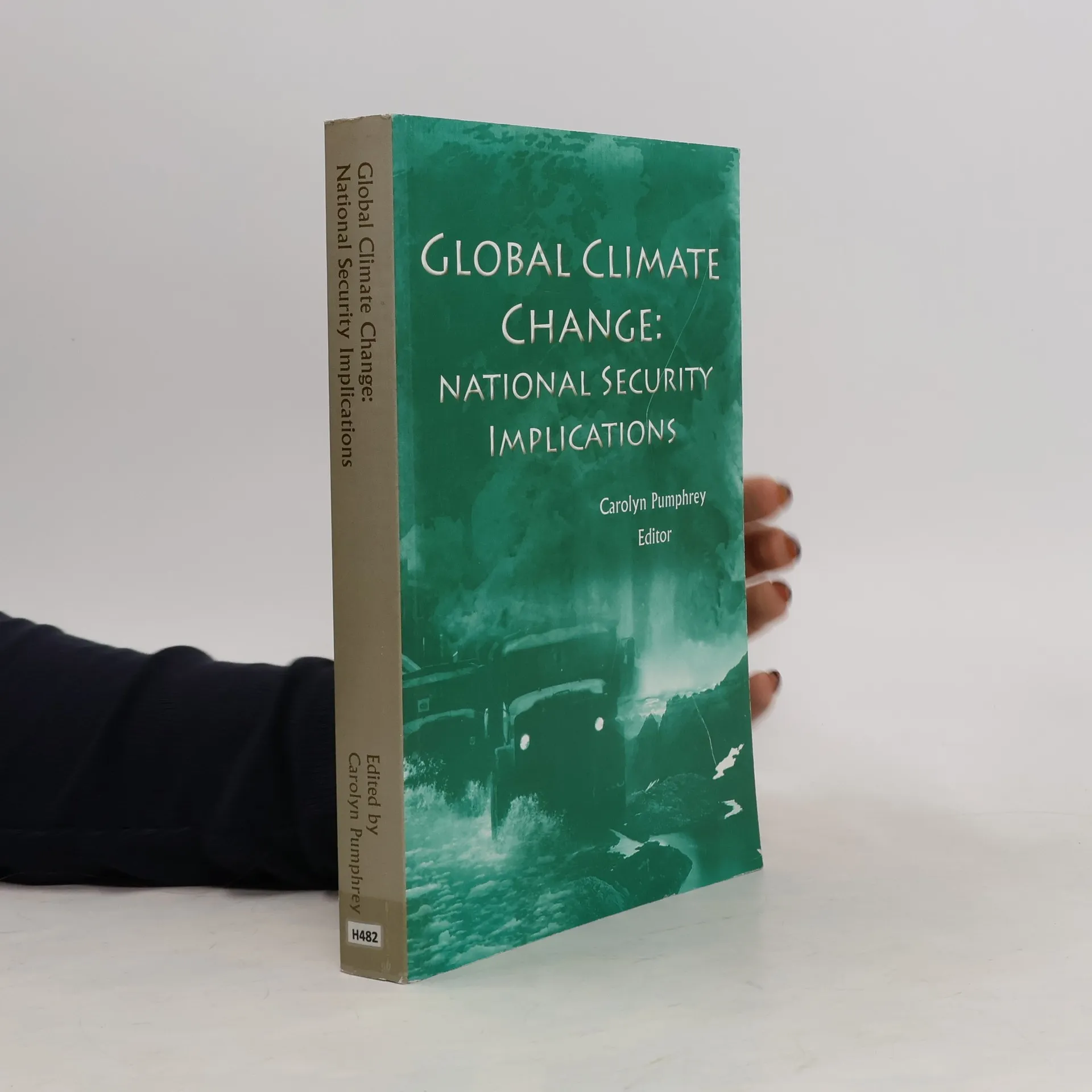
Global Climate Change: National Security Implications, Carolyn Pumphrey
- Język

- Rok wydania
- 2008
- Oprawa
- (miękka)
Metody płatności
Brakuje nam tutaj Twojej recenzji.
- Tytuł
- Global Climate Change: National Security Implications
- Język
- angielski
- Autorzy
- Carolyn Pumphrey
- Wydawca
- Strategic Studies Institute
- Rok wydania
- 2008
- Oprawa
- miękka
- Liczba stron
- 446
- ISBN10
- 1584873523
- ISBN13
- 9781584873525
- Seria
- Kategorie
- Tagi
- Ocena
- 4 z 5
- Opis
- On March 29-31, 2007, the Strategic Studies Institute and the Triangle Institute for Security Studies conducted a colloquium on "Global Climate National Security Implications" held in Chapel Hill, North Carolina. This volume is based on the proceedings of this conference. Chapter 1 addresses the growing historical awareness of the threat and outlines the science of climate-change. Chapters 2 and 3 focus on how climate change might affect human societies and the degree to which it might cause or exacerbate violence and conflict. Particular attention is paid to the implications for the security of the United States. Chapters 4 and 5 consider a variety of potential solutions, ranging from international diplomacy to the development of efficient technologies. Chapters 6 and 7 focus on the role of the U.S. Armed Forces. What can they do and what should they do to mitigate climate change or prepare to meet the threat? Chapter 8 summarizes and concludes. Contributors to this volume agree that climate change is a threat deserving of serious attention. They stress the need for greater planning and coordination and for further research as well as the utility of engagement-military to military and state to state-on environmental issues. They differ as to whether the Armed Forces should play a leading or supporting role, but agree that they can-and already do-make a valuable contribution.