


Więcej o książce
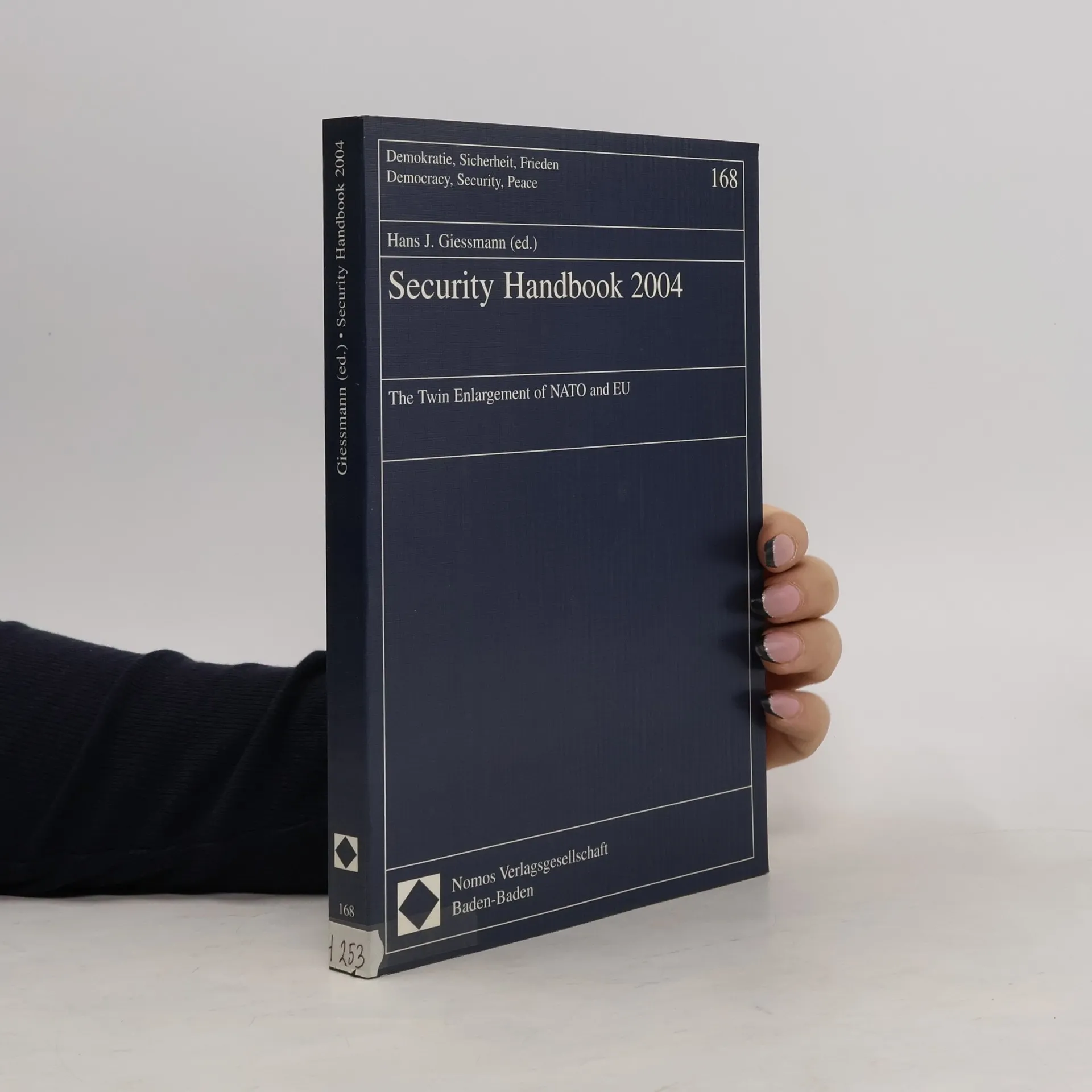
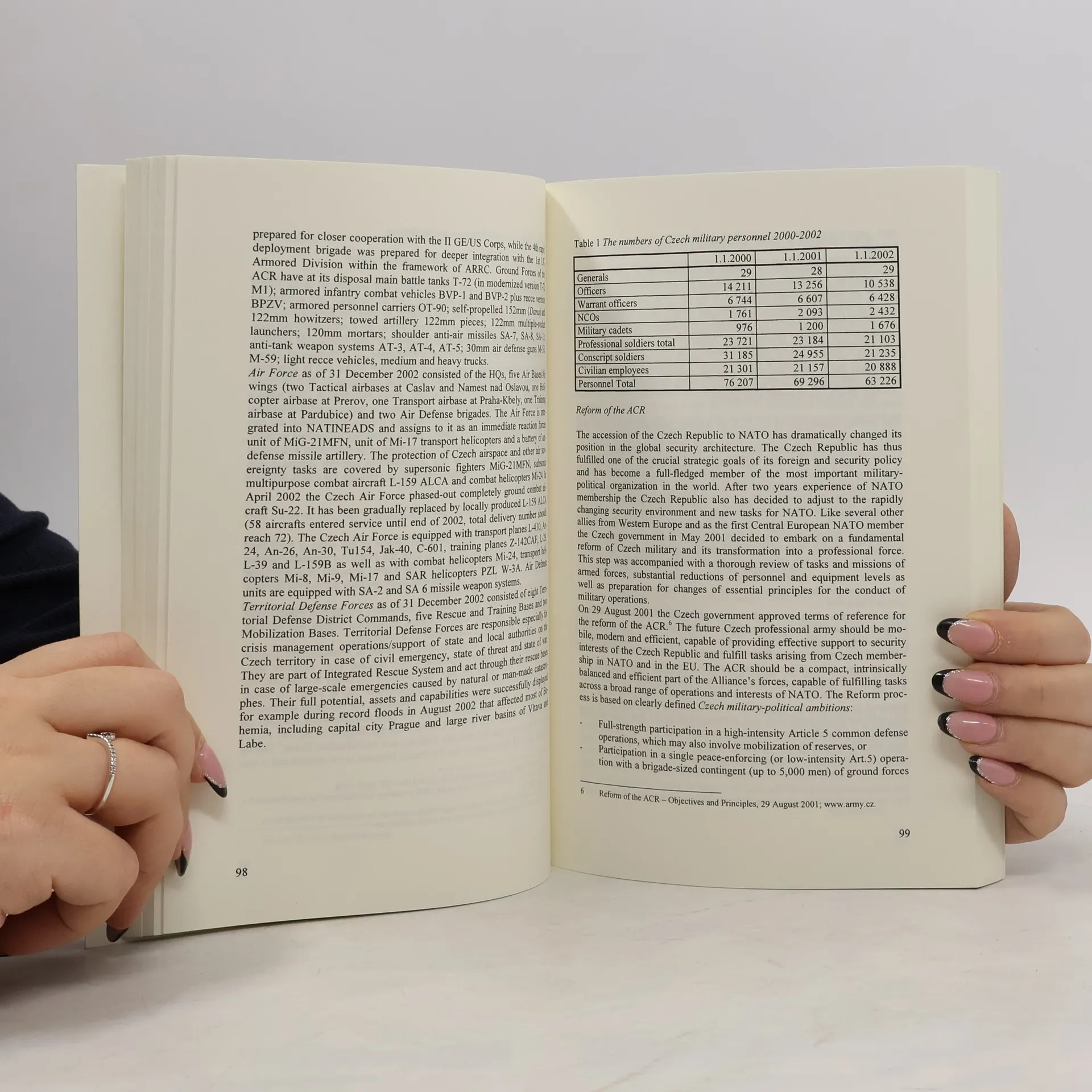
The 2004 enlargement of NATO and the EU is widely considered to be the last stage in overcoming the division of Europe. Even if this is true, however, the euphoria that came with the end of the Cold War has now run its course. Both NATO and the EU are facing major challenges, and it is far from clear whether the enlarged organisations will be more capable of tackling crucial security issues that their smaller incarnations were unable to resolve. How can the newly enlarged organisations project global influence if the competing interests of their member states outweigh their willingness to compromise? Moreover, is there a danger of Europe splitting between an "in group" and those who are left "outside"? At stake are the credibility and reliability of NATO and the EU, which see themselves as the most important guarantors of European security and cooperation. The Security Handbook examines the national interests of various Eastern and Central European countries regarding enlargement. These interests are then compared with expectations formulated on the part of NATO, the EU, and Russia. Leading politicians und experts from 12 countries have contributed to the project.
Zakup książki
Security handbook, Hans J Giessmann
- Język

- Rok wydania
- 2004
- Oprawa
- (miękka)
Metody płatności
Nikt jeszcze nie ocenił.
- Tytuł
- Security handbook
- Język
- angielski
- Autorzy
- Hans J Giessmann
- Wydawca
- Nomos
- Rok wydania
- 2004
- Oprawa
- miękka
- Liczba stron
- 304
- ISBN10
- 3832908803
- ISBN13
- 9783832908805
- Seria
- Tagi
- Opis
- The 2004 enlargement of NATO and the EU is widely considered to be the last stage in overcoming the division of Europe. Even if this is true, however, the euphoria that came with the end of the Cold War has now run its course. Both NATO and the EU are facing major challenges, and it is far from clear whether the enlarged organisations will be more capable of tackling crucial security issues that their smaller incarnations were unable to resolve. How can the newly enlarged organisations project global influence if the competing interests of their member states outweigh their willingness to compromise? Moreover, is there a danger of Europe splitting between an "in group" and those who are left "outside"? At stake are the credibility and reliability of NATO and the EU, which see themselves as the most important guarantors of European security and cooperation. The Security Handbook examines the national interests of various Eastern and Central European countries regarding enlargement. These interests are then compared with expectations formulated on the part of NATO, the EU, and Russia. Leading politicians und experts from 12 countries have contributed to the project.