

Więcej o książce
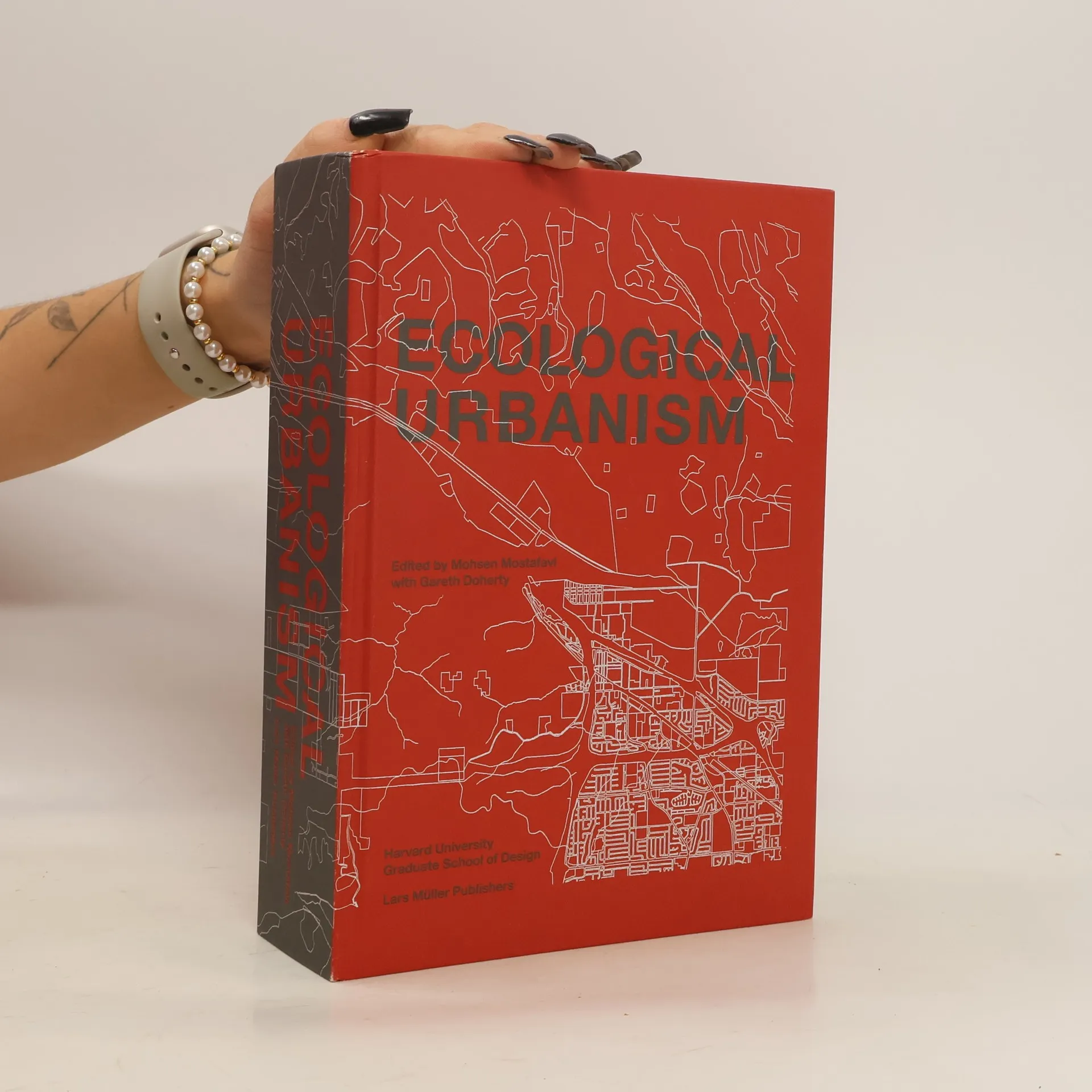
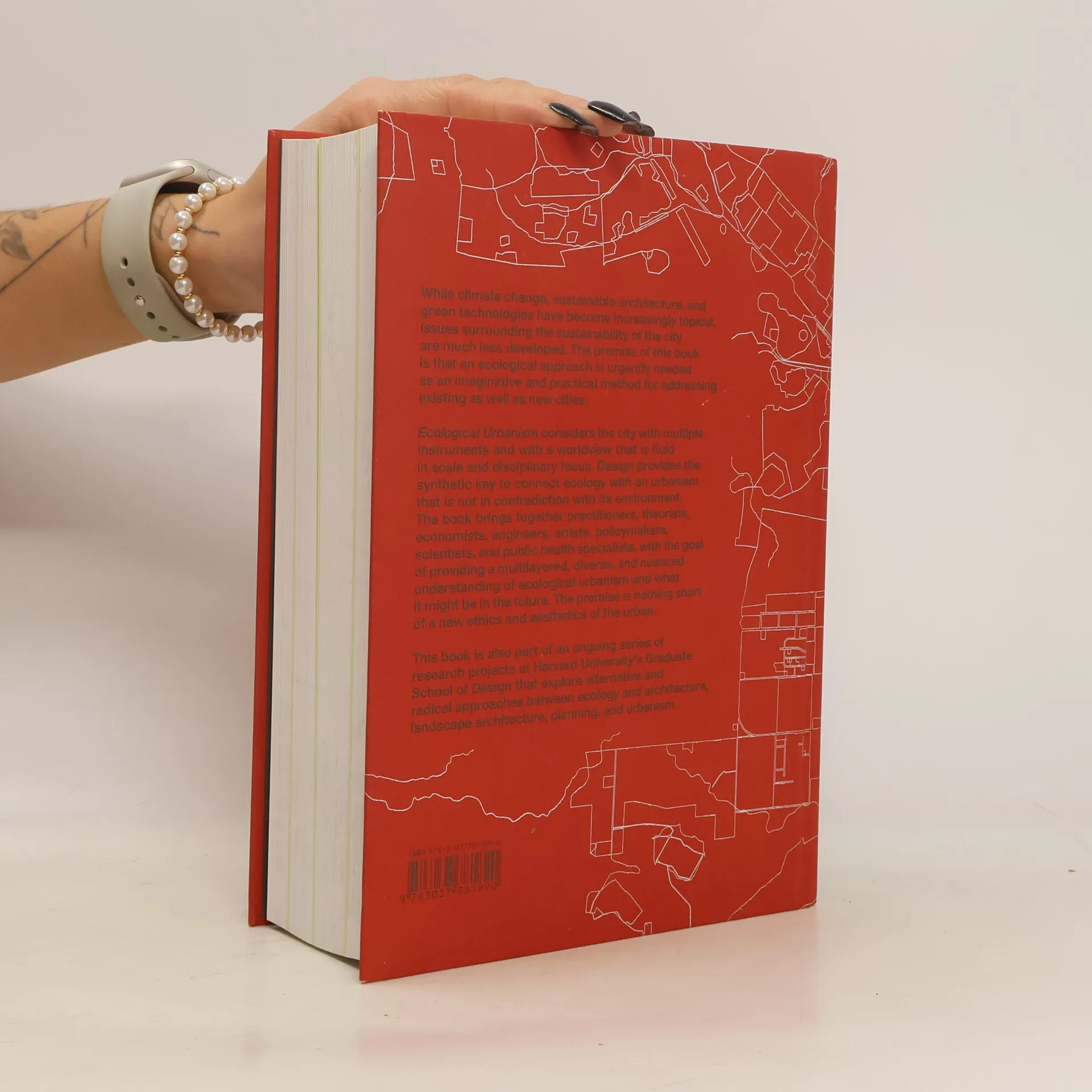
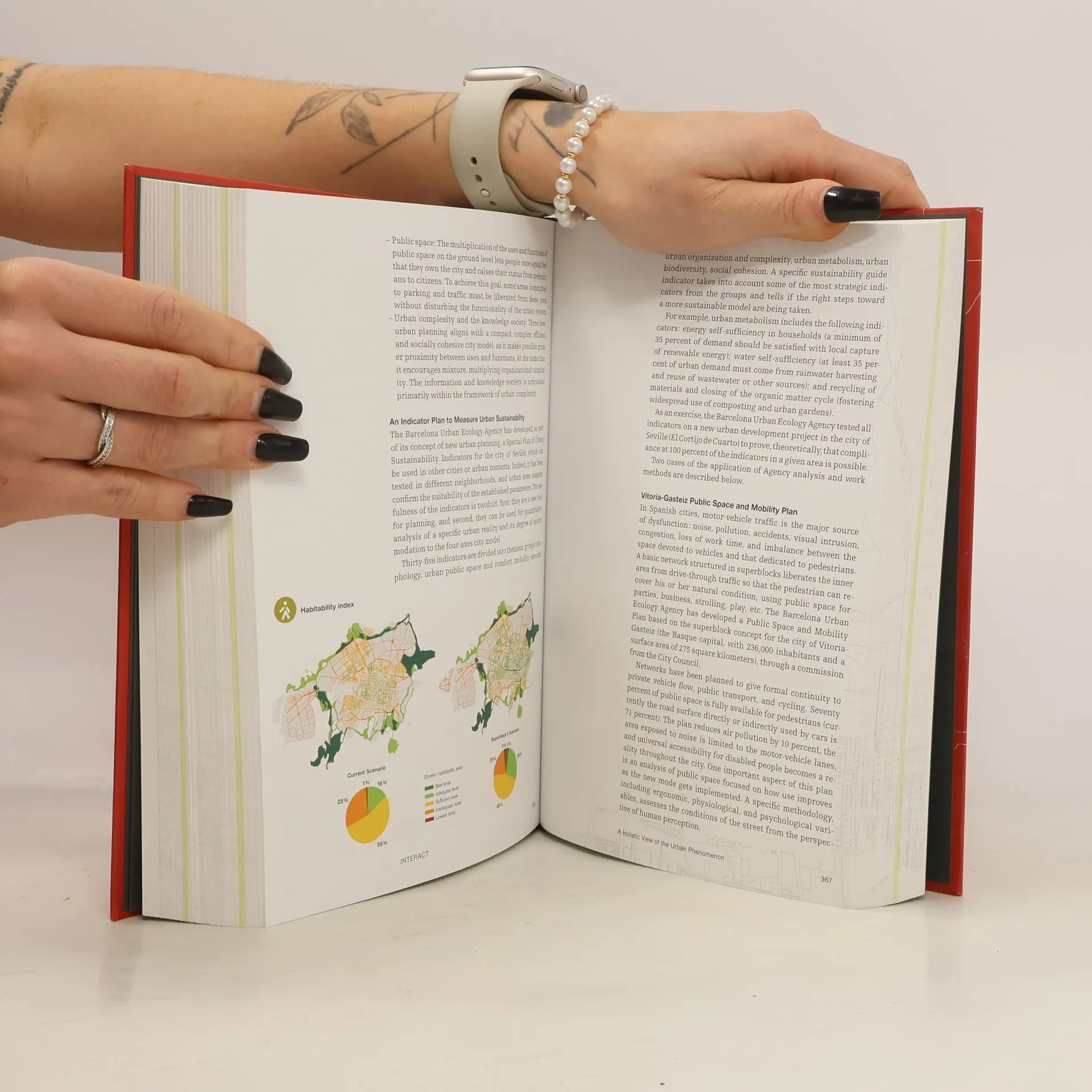
With the aim of projecting alternative and sustainable forms of urbanism, the book What are the key principles of an ecological urbanism? How might they be organized? And what role might design and planning play in the process? While climate change, sustainable architecture, and green technologies have become increasingly topical, issues surrounding the sustainability of the city are much less developed. The premise of the book is that an ecological approach is urgently needed both as a remedial device for the contemporary city and an organizing principle for new cities. Ecological urbanism approaches the city without any one set of instruments and with a worldview that is fluid in scale and disciplinary approach. Design provides the synthetic key to connect ecology with an urbanism that is not in contradiction with its environment. The book brings together design practitioners and theorists, economists, engineers, artists, policy makers, environmental scientists, and public health specialists, with the goal of reaching a more robust understanding of ecological urbanism and what it might be in the future. Contributors Homi Bhabha, Stefano Boeri, Chuck Hoberman, Rem Koolhaas, Sanford Kwinter, Bruno Latour, Nina-Marie Lister, Moshen Mostafavi, Matthias Schuler, Sissel Tolaas, Charles Waldheim
Zakup książki
Ecological Urbanism, kolektiv
- Język

- Rok wydania
- 2009
- Oprawa
- (twarda)
Metody płatności
Brakuje nam tutaj Twojej recenzji.
- Tytuł
- Ecological Urbanism
- Język
- angielski
- Autorzy
- kolektiv
- Wydawca
- Müller, Lars
- Rok wydania
- 2009
- Oprawa
- twarda
- Liczba stron
- 655
- ISBN10
- 3037781890
- ISBN13
- 9783037781890
- Seria
- Ocena
- 4,15 z 5
- Opis
- With the aim of projecting alternative and sustainable forms of urbanism, the book What are the key principles of an ecological urbanism? How might they be organized? And what role might design and planning play in the process? While climate change, sustainable architecture, and green technologies have become increasingly topical, issues surrounding the sustainability of the city are much less developed. The premise of the book is that an ecological approach is urgently needed both as a remedial device for the contemporary city and an organizing principle for new cities. Ecological urbanism approaches the city without any one set of instruments and with a worldview that is fluid in scale and disciplinary approach. Design provides the synthetic key to connect ecology with an urbanism that is not in contradiction with its environment. The book brings together design practitioners and theorists, economists, engineers, artists, policy makers, environmental scientists, and public health specialists, with the goal of reaching a more robust understanding of ecological urbanism and what it might be in the future. Contributors Homi Bhabha, Stefano Boeri, Chuck Hoberman, Rem Koolhaas, Sanford Kwinter, Bruno Latour, Nina-Marie Lister, Moshen Mostafavi, Matthias Schuler, Sissel Tolaas, Charles Waldheim