



Więcej o książce
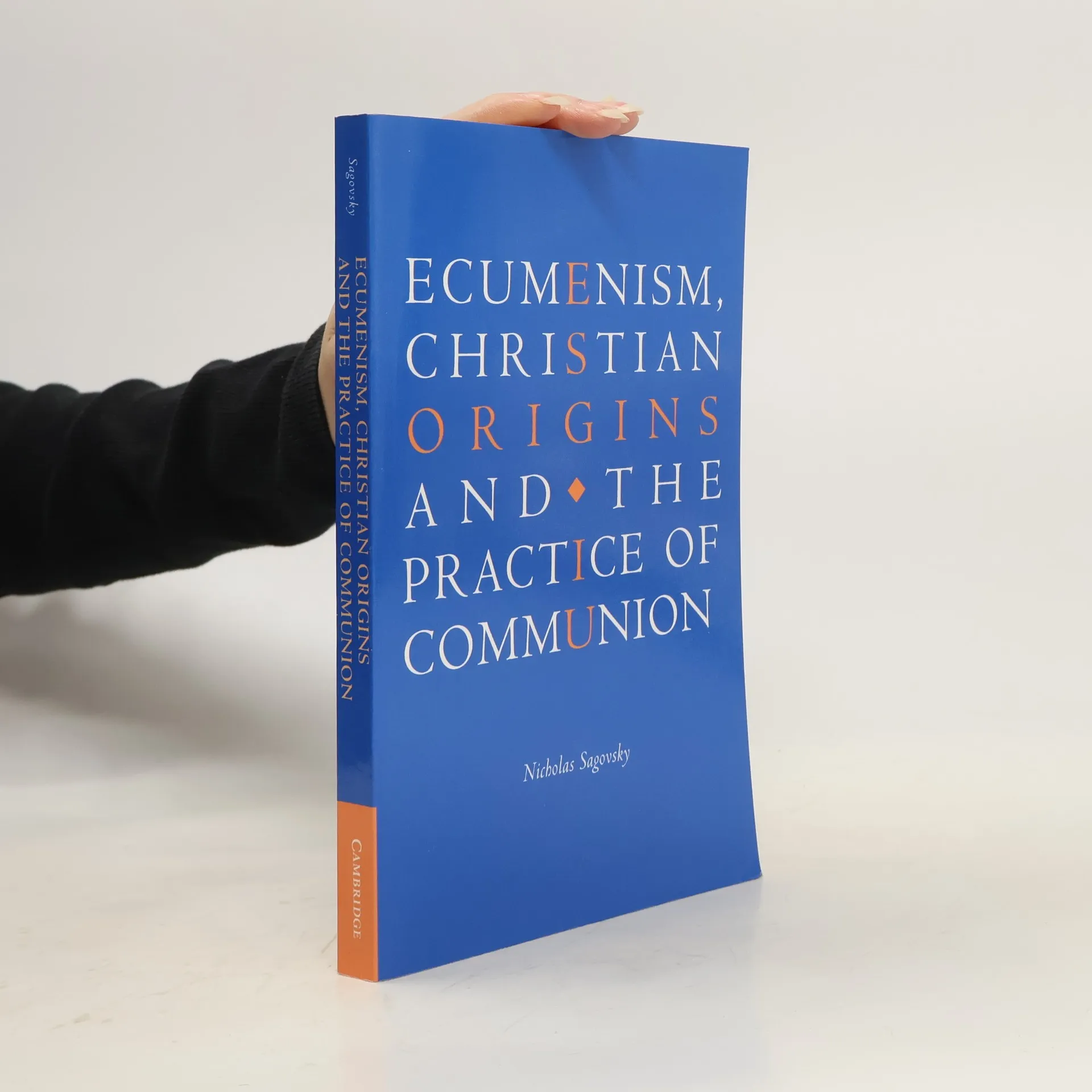
The theology of communion, or Koinonia, has been at the centre of the ecumenical movement for more than thirty years. It is central to the self-understanding of the Anglican, Roman Catholic and Orthodox Churches, and has been prominent in the work of the World Council of Churches. This book, based on the 1996 Hulsean Lectures, examines the significance of Koinonia for contemporary ecumenical theology, tracing the development of contemporary understanding in critical engagement with the thoughts of Plato, Aristotle, the Hebrew Scriptures, the New Testament, the Cappadocian Fathers and Augustine. In each case, reflection on community life is related to actual communities in which texts were produced. The importance of conflict and the place of politics for the Koinonia that constitutes the Christian churches is a major theme throughout. Communion is seen as a gift to be received and a discipline to be cultivated in the continuing practice of ecumenism.
Zakup książki
Ecumenism, Christian Origins and the Practice of Communion, Nicholas Sagovsky
- Język

- Rok wydania
- 2008
- Oprawa
- (miękka)
Metody płatności
Brakuje nam tutaj Twojej recenzji.
- Tytuł
- Ecumenism, Christian Origins and the Practice of Communion
- Język
- angielski
- Autorzy
- Nicholas Sagovsky
- Wydawca
- Cambridge
- Rok wydania
- 2008
- Oprawa
- miękka
- Liczba stron
- 232
- ISBN10
- 0521090539
- ISBN13
- 9780521090537
- Seria
- Kategorie
- Tagi
- Ocena
- 3,65 z 5
- Opis
- The theology of communion, or Koinonia, has been at the centre of the ecumenical movement for more than thirty years. It is central to the self-understanding of the Anglican, Roman Catholic and Orthodox Churches, and has been prominent in the work of the World Council of Churches. This book, based on the 1996 Hulsean Lectures, examines the significance of Koinonia for contemporary ecumenical theology, tracing the development of contemporary understanding in critical engagement with the thoughts of Plato, Aristotle, the Hebrew Scriptures, the New Testament, the Cappadocian Fathers and Augustine. In each case, reflection on community life is related to actual communities in which texts were produced. The importance of conflict and the place of politics for the Koinonia that constitutes the Christian churches is a major theme throughout. Communion is seen as a gift to be received and a discipline to be cultivated in the continuing practice of ecumenism.