


Więcej o książce
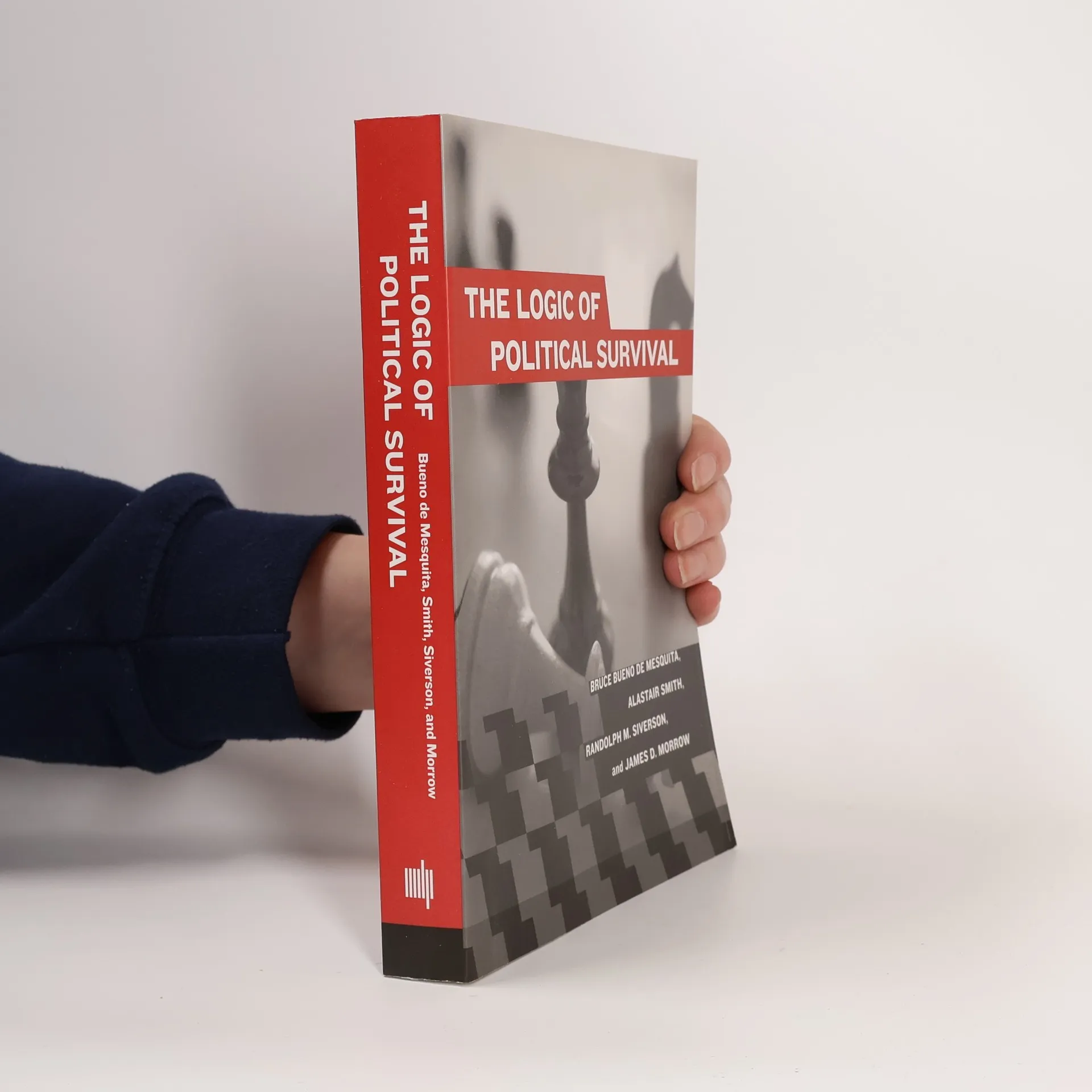
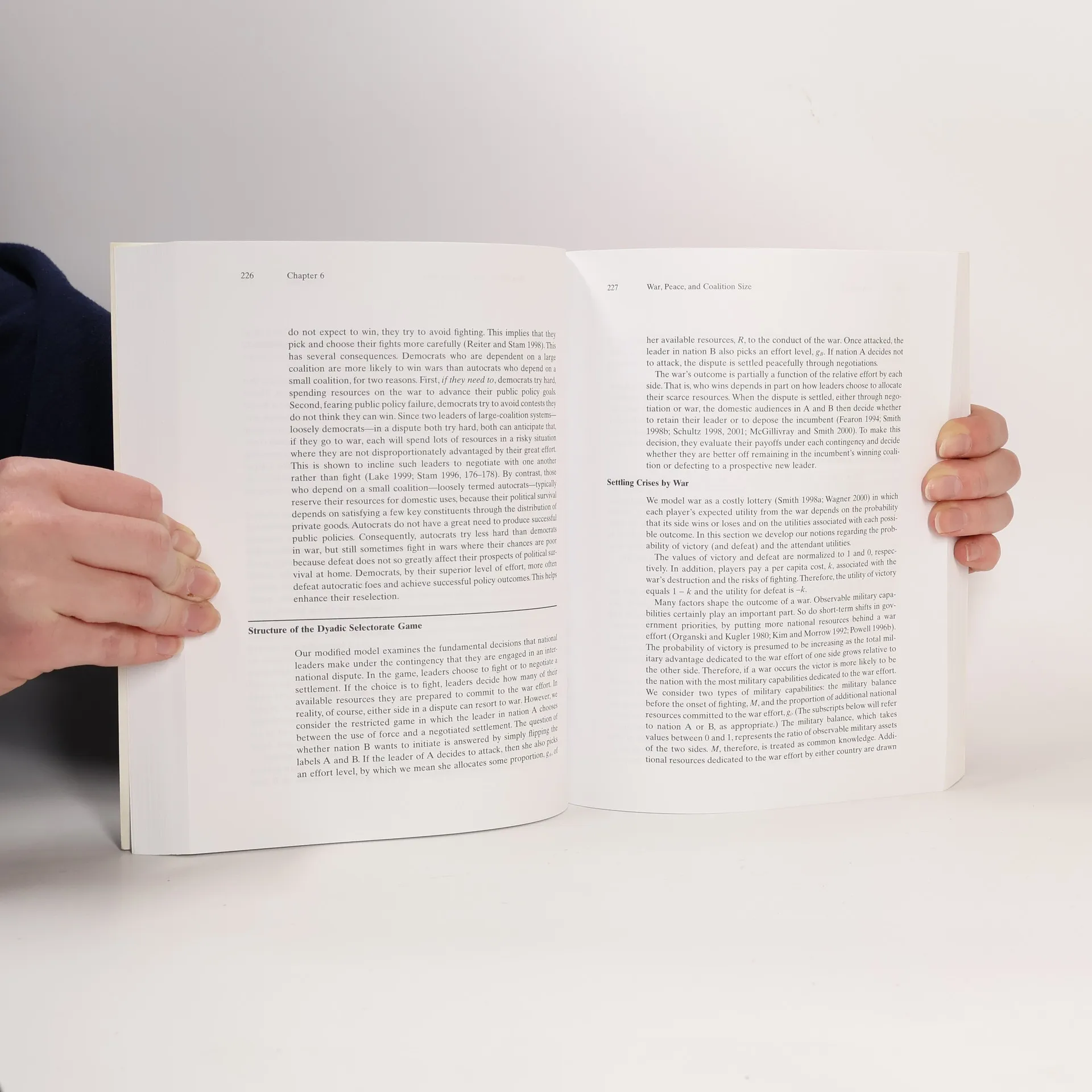
The authors of this ambitious book address a fundamental political question: why are leaders who produce peace and prosperity turned out of office while those who preside over corruption, war, and misery endure? Considering this political puzzle, they also answer the related economic question of why some countries experience successful economic development and others do not. The authors construct a provocative theory on the selection of leaders and present specific formal models from which their central claims can be deduced. They show how political leaders allocate resources and how institutions for selecting leaders create incentives for leaders to pursue good and bad public policy. They also extend the model to explain the consequences of war on political survival. Throughout the book, they provide illustrations from history, ranging from ancient Sparta to Vichy France, and test the model against statistics gathered from cross-national data. The authors explain the political intuition underlying their theory in nontechnical language, reserving formal proofs for chapter appendixes. They conclude by presenting policy prescriptions based on what has been demonstrated theoretically and empirically.
Zakup książki
The Logic of Political Survival, Bruce Bueno de Mesquita
- Język

- Rok wydania
- 2005
- Oprawa
- (miękka)
Metody płatności
Brakuje nam tutaj Twojej recenzji.
- Tytuł
- The Logic of Political Survival
- Język
- angielski
- Autorzy
- Bruce Bueno de Mesquita
- Wydawca
- MIT Press
- Rok wydania
- 2005
- Oprawa
- miękka
- ISBN10
- 0262524406
- ISBN13
- 9780262524407
- Seria
- Kategorie
- Ocena
- 4 z 5
- Opis
- The authors of this ambitious book address a fundamental political question: why are leaders who produce peace and prosperity turned out of office while those who preside over corruption, war, and misery endure? Considering this political puzzle, they also answer the related economic question of why some countries experience successful economic development and others do not. The authors construct a provocative theory on the selection of leaders and present specific formal models from which their central claims can be deduced. They show how political leaders allocate resources and how institutions for selecting leaders create incentives for leaders to pursue good and bad public policy. They also extend the model to explain the consequences of war on political survival. Throughout the book, they provide illustrations from history, ranging from ancient Sparta to Vichy France, and test the model against statistics gathered from cross-national data. The authors explain the political intuition underlying their theory in nontechnical language, reserving formal proofs for chapter appendixes. They conclude by presenting policy prescriptions based on what has been demonstrated theoretically and empirically.