

Więcej o książce
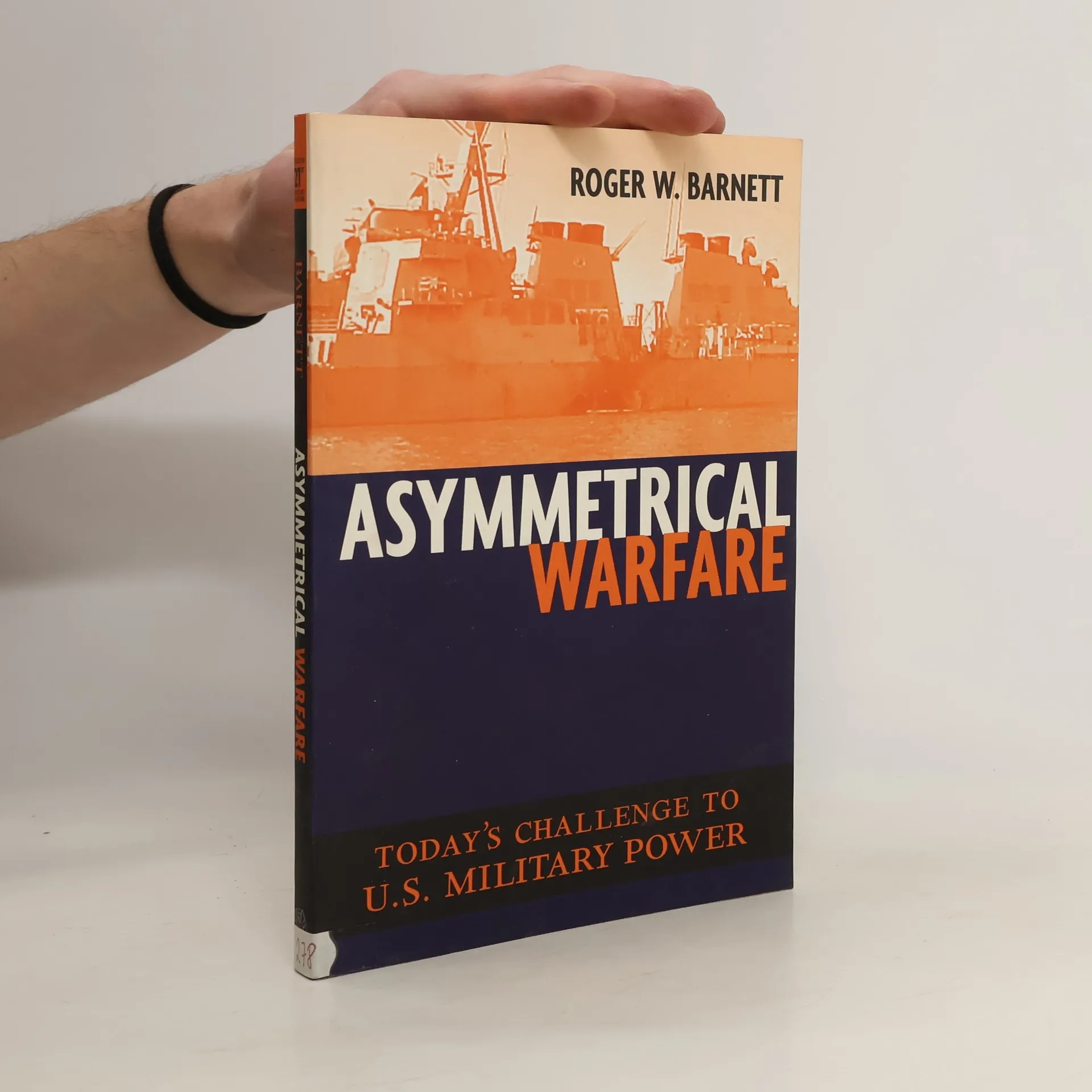
"In this concise and penetrating study, Roger W. Barnett illuminates the effect of operational, organizational, legal, and moral constraints on the ability of the United States to use military force. As the tragic events of September 11 demonstrated, potential adversaries can take advantage of these limitations, thus spawning "asymmetrical warfare." Professor Barnett defines asymmetrical warfare as not simply a case of pitting one's strength against another's weakness but rather of taking the calculated risk to exploit an adversary's inability or unwillingness to prevent, or defend against, certain actions. Possible asymmetrical warfare scenarios include launching chemical, biological, or suicide attacks; taking indiscriminate actions against critical infrastructure; using hostages or human shields; deliberately destroying the environment; and targeting noncombatants.". "Barnett concludes that the United States must create a formal system of selectively eliminating the constraints that dictate our response to certain situations or scenarios. Failure to make such changes will only increase paralysis and, when the use of force is required, contribute to the already heightened risks."--BOOK JACKET.
Zakup książki
Asymmetrical Warfare, Roger W. Barnett
- Język

- Rok wydania
- 2003
- Oprawa
- (miękka)
Metody płatności
Brakuje nam tutaj Twojej recenzji.
- Tytuł
- Asymmetrical Warfare
- Język
- angielski
- Autorzy
- Roger W. Barnett
- Wydawca
- Potomac Books
- Rok wydania
- 2003
- Oprawa
- miękka
- Liczba stron
- 192
- ISBN10
- 1574885634
- ISBN13
- 9781574885637
- Seria
- Tagi
- Ocena
- 3,75 z 5
- Opis
- "In this concise and penetrating study, Roger W. Barnett illuminates the effect of operational, organizational, legal, and moral constraints on the ability of the United States to use military force. As the tragic events of September 11 demonstrated, potential adversaries can take advantage of these limitations, thus spawning "asymmetrical warfare." Professor Barnett defines asymmetrical warfare as not simply a case of pitting one's strength against another's weakness but rather of taking the calculated risk to exploit an adversary's inability or unwillingness to prevent, or defend against, certain actions. Possible asymmetrical warfare scenarios include launching chemical, biological, or suicide attacks; taking indiscriminate actions against critical infrastructure; using hostages or human shields; deliberately destroying the environment; and targeting noncombatants.". "Barnett concludes that the United States must create a formal system of selectively eliminating the constraints that dictate our response to certain situations or scenarios. Failure to make such changes will only increase paralysis and, when the use of force is required, contribute to the already heightened risks."--BOOK JACKET.