

Więcej o książce
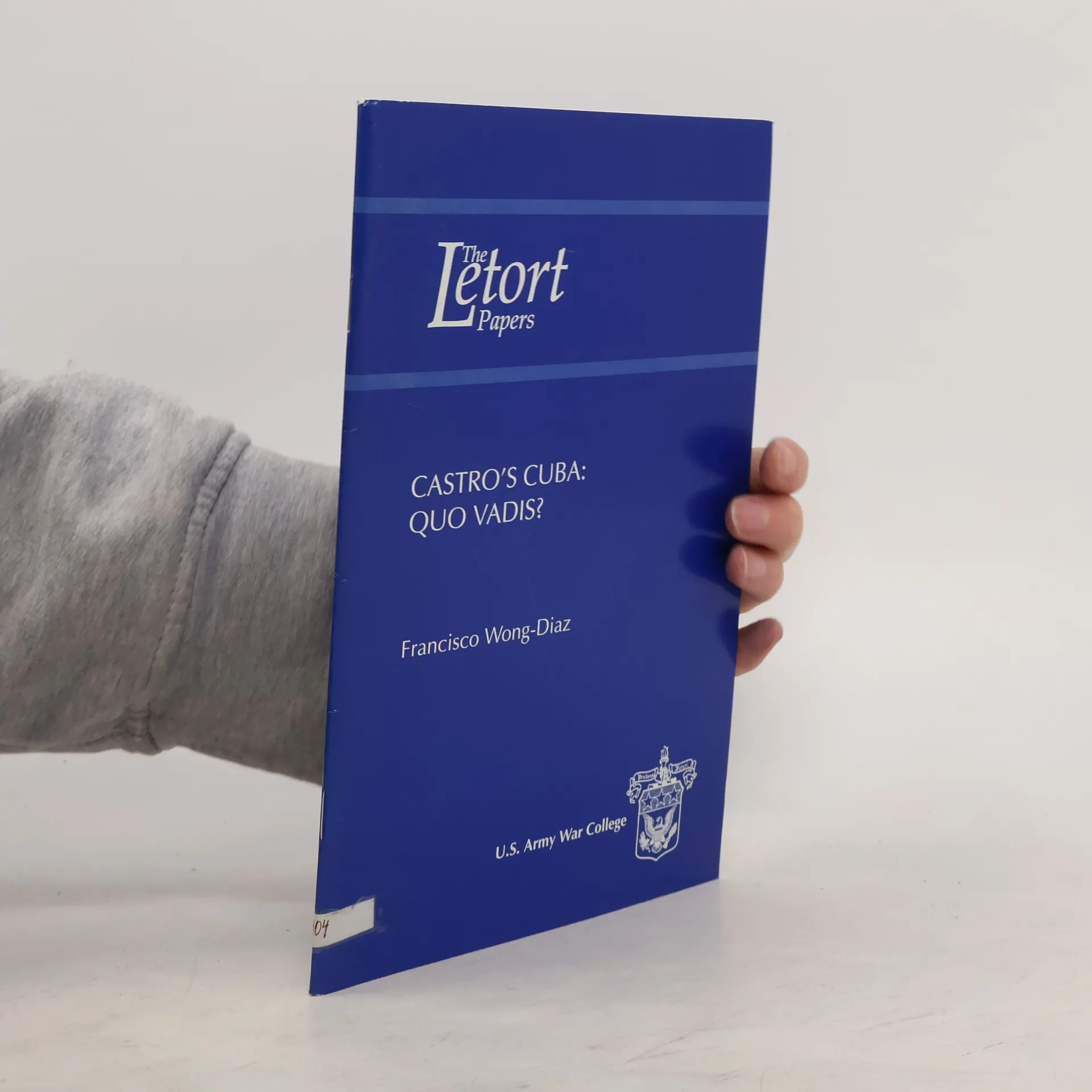
The United States, particularly the Army, has a long history of involvement with Cuba. It has included, among others, the Spanish-American War of 1898, military interventions in 1906 and 1912, the 1961 Bay of Pigs Invasion, the 1962 Missile Crisis, counterinsurgency, and low intensity warfare in Latin America and Africa against Cuban supported guerrilla movements. After almost 5 decades of authoritarian one-man rule, Fidel Castro remains firmly in power. On July 31, his brother, Raul Castro, assumed provisional presidential power after an official announcement that Fidel was ill and would undergo surgery. What would be the strategic and political implications attendant to Castro's eventual demise or incapacitation? The author suggests some possible transition or succession scenarios and examines the consequences that might follow and the role that the United States might be called to play
Zakup książki
Castro's Cuba, Francisco R. Wong-Diaz
- Język

- Rok wydania
- 2006
- Oprawa
- (miękka)
Metody płatności
Nikt jeszcze nie ocenił.
- Tytuł
- Castro's Cuba
- Język
- angielski
- Autorzy
- Francisco R. Wong-Diaz
- Rok wydania
- 2006
- Oprawa
- miękka
- Liczba stron
- 44
- ISBN10
- 1584872675
- ISBN13
- 9781584872672
- Seria
- Kategorie
- Opis
- The United States, particularly the Army, has a long history of involvement with Cuba. It has included, among others, the Spanish-American War of 1898, military interventions in 1906 and 1912, the 1961 Bay of Pigs Invasion, the 1962 Missile Crisis, counterinsurgency, and low intensity warfare in Latin America and Africa against Cuban supported guerrilla movements. After almost 5 decades of authoritarian one-man rule, Fidel Castro remains firmly in power. On July 31, his brother, Raul Castro, assumed provisional presidential power after an official announcement that Fidel was ill and would undergo surgery. What would be the strategic and political implications attendant to Castro's eventual demise or incapacitation? The author suggests some possible transition or succession scenarios and examines the consequences that might follow and the role that the United States might be called to play