


Więcej o książce
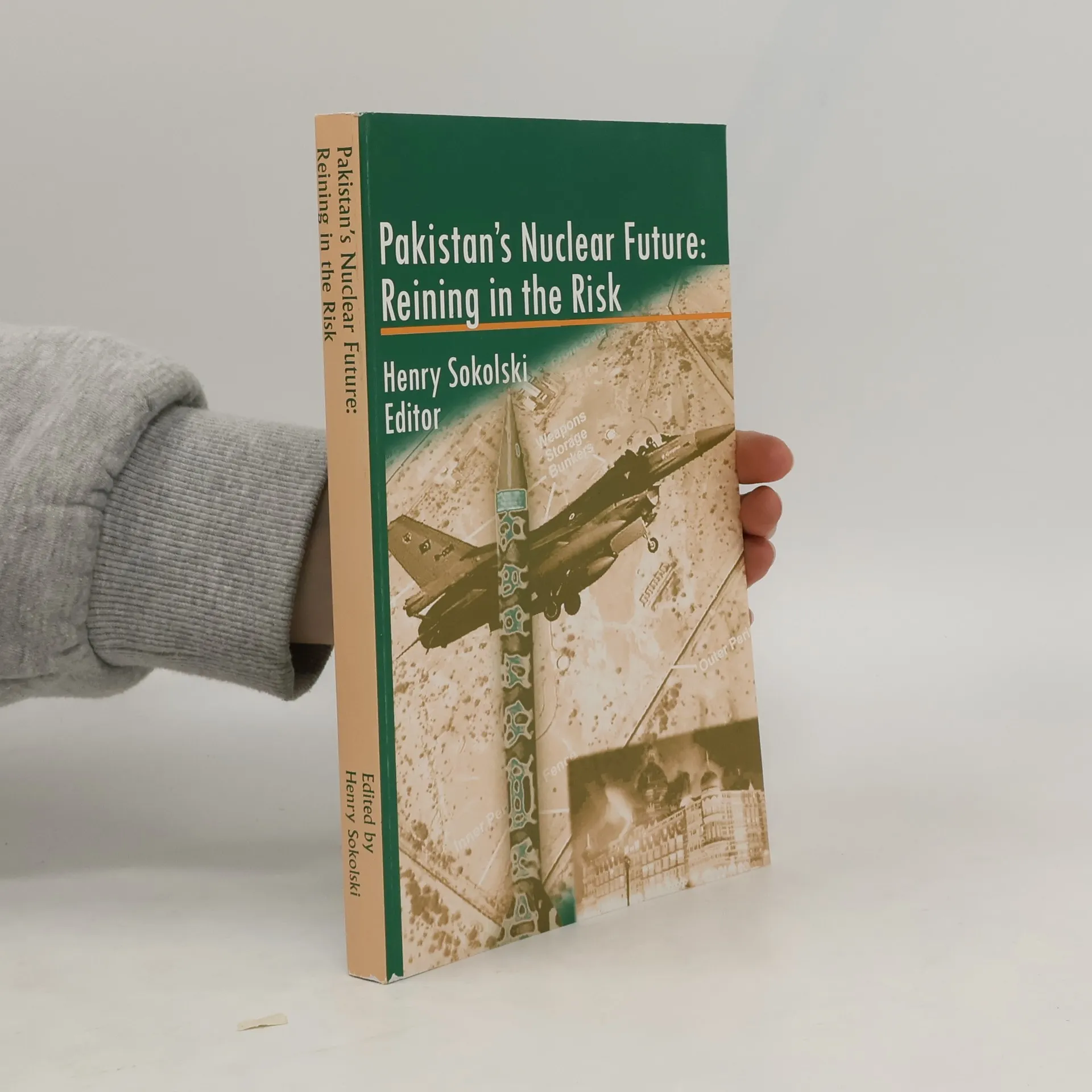
A nuclear terrorist act is just one of several serious security threats facing Pakistan. Traditional terrorism and military crises in Southwest Asia have nearly escalated into wars, raising concerns about nuclear conflict between India and Pakistan. The war jitters following the Mumbai attacks underscored the connection between conventional terrorism and war, with fears in Washington that conflict could erupt. Similar worries emerged during the Kargil crisis in 1999 and the military tensions of 2001-2002, which many analysts believe could have led to nuclear warfare. This book aims to evaluate these threats comprehensively. Its companion volume, published in 2008, addressed the challenges of Pakistani nuclear terrorism, suggesting that this threat is a lesser concern compared to the risk of war and terrorism overall. The question remains whether the United States can enhance security for Pakistan's nuclear weapons against potential seizure. The book posits that instead of diverting attention from necessary actions to mitigate nuclear war risks, it is crucial to recognize our most daunting terrorist fears as subordinate threats. Reducing and containing the risk of nuclear conflict may ultimately limit these dangers.
Zakup książki
Pakistan's Nuclear Future, Henry D Sokolski
- Język

- Rok wydania
- 2009
- Oprawa
- (miękka)
Metody płatności
Brakuje nam tutaj Twojej recenzji.
- Tytuł
- Pakistan's Nuclear Future
- Podtytuł
- Reining in the Risk
- Język
- angielski
- Autorzy
- Henry D Sokolski
- Wydawca
- Strategic Studies Institute
- Rok wydania
- 2009
- Oprawa
- miękka
- Liczba stron
- 290
- ISBN10
- 1584874228
- ISBN13
- 9781584874225
- Seria
- Tagi
- Ocena
- 2,5 z 5
- Opis
- A nuclear terrorist act is just one of several serious security threats facing Pakistan. Traditional terrorism and military crises in Southwest Asia have nearly escalated into wars, raising concerns about nuclear conflict between India and Pakistan. The war jitters following the Mumbai attacks underscored the connection between conventional terrorism and war, with fears in Washington that conflict could erupt. Similar worries emerged during the Kargil crisis in 1999 and the military tensions of 2001-2002, which many analysts believe could have led to nuclear warfare. This book aims to evaluate these threats comprehensively. Its companion volume, published in 2008, addressed the challenges of Pakistani nuclear terrorism, suggesting that this threat is a lesser concern compared to the risk of war and terrorism overall. The question remains whether the United States can enhance security for Pakistan's nuclear weapons against potential seizure. The book posits that instead of diverting attention from necessary actions to mitigate nuclear war risks, it is crucial to recognize our most daunting terrorist fears as subordinate threats. Reducing and containing the risk of nuclear conflict may ultimately limit these dangers.