


Więcej o książce
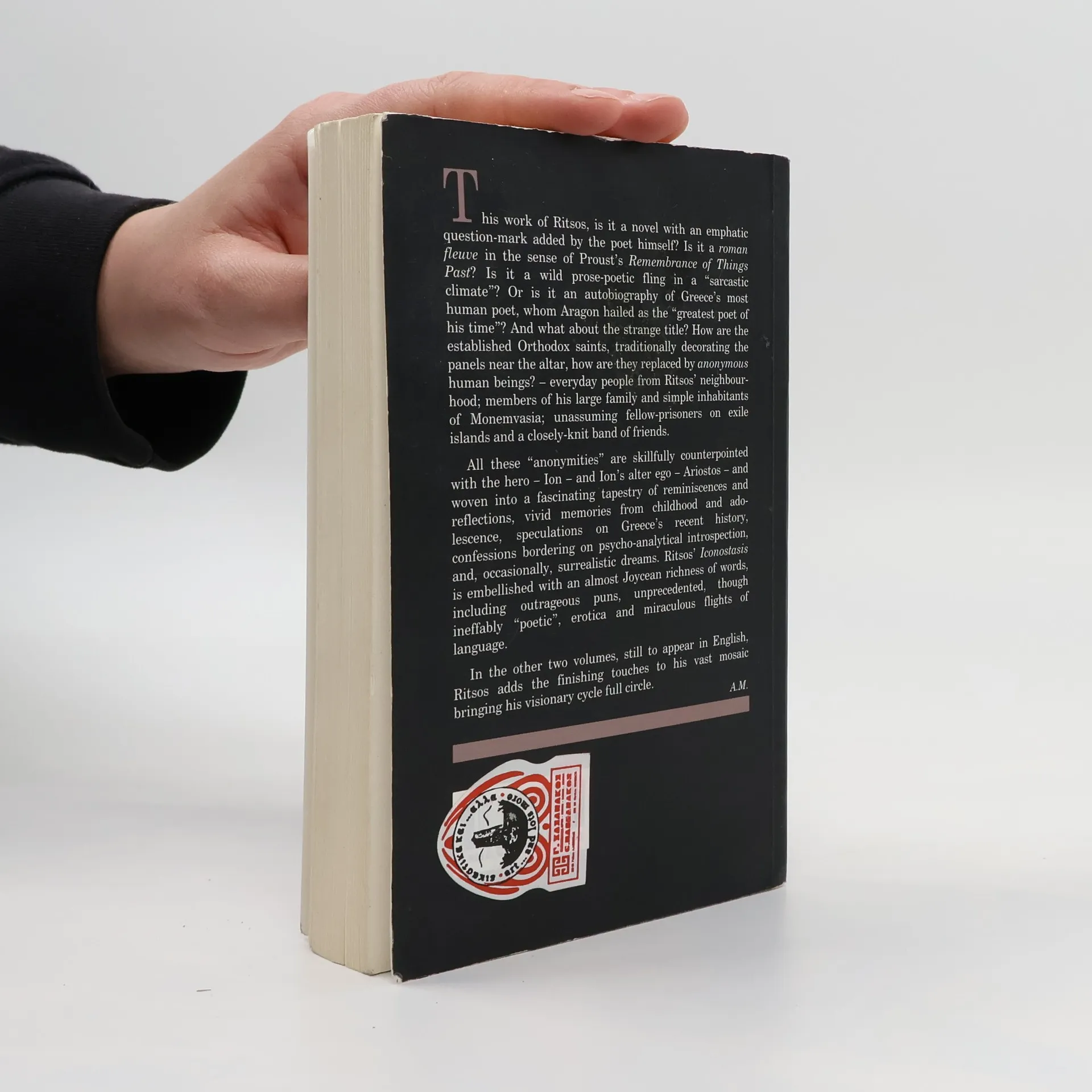
This work of Ritsos is it a novel with an emphatic question mark added by the poet himself? Is it roman fleuve in the sense of Proust's Remembrance of things Past? Is it a wild prose-poetic fling in a "sarcastic climate?" Or is it an autobiography of Greece's most human poet, whom Aragon hailed as "the greatest poet of his time?" And what about the strange title? How are the established Orthodox saints, traditionally decorating the panels near the altar, how are they replaced by Anonymous human beings? "Everyday people from Ritsos" neighborhood; members of his large family and simple inhabitants of Monemvasia; unassuming fellow-prisoners on exile islands and a closely knit band of friends. All these "anonymities" are skillfully counterpoint with the hero- Ion- and Ion's alter ego Ariostos - and woven into a fascinating tapestry of reminiscences and reflections, vivid memories from childhood and ado- lescence, speculations on Greece's recent history
Zakup książki
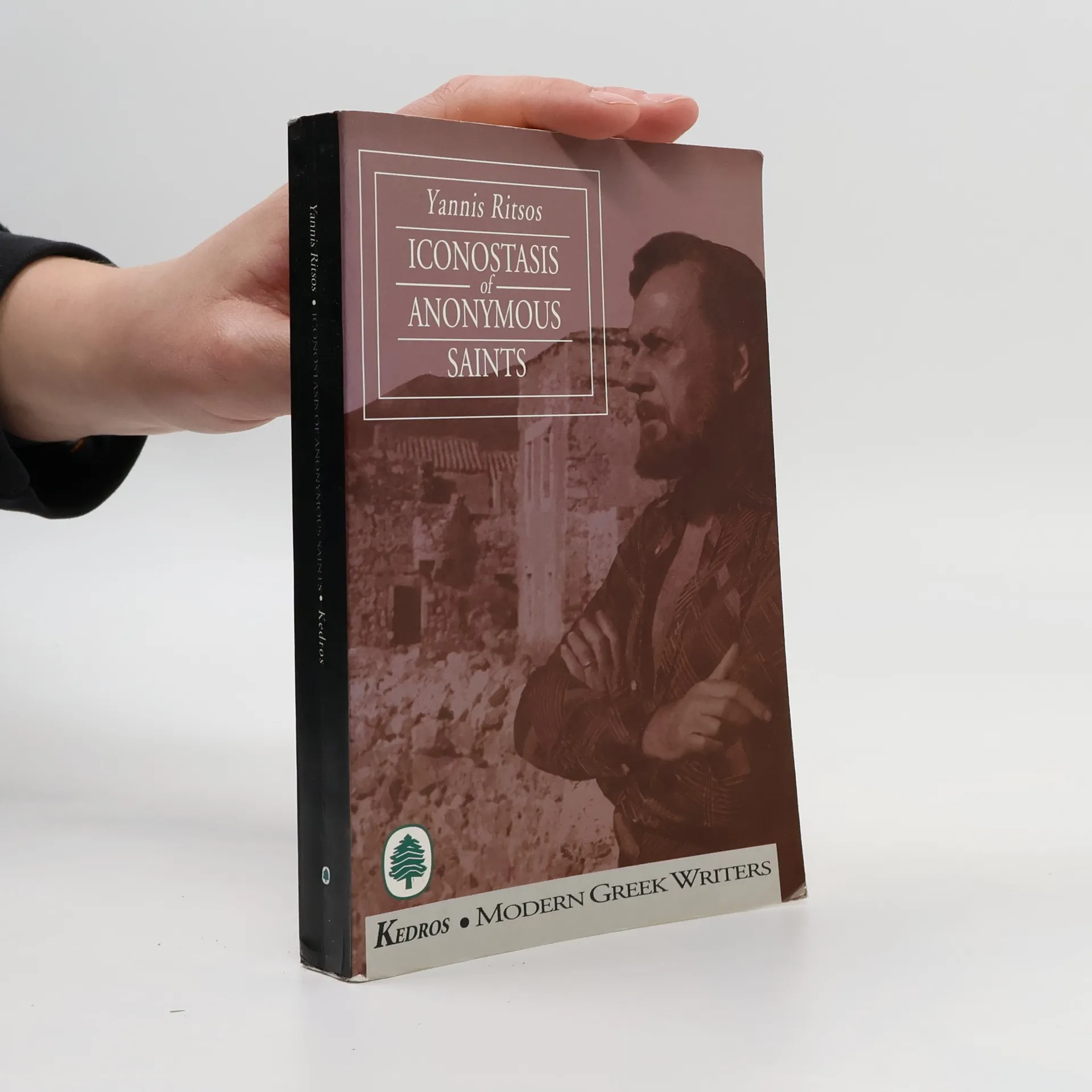
Iconostasis of Anonymous Saints, Jannis Ritsos
- Język

- Rok wydania
- 1996
- Oprawa
- (miękka)
Metody płatności
Brakuje nam tutaj Twojej recenzji.
- Tytuł
- Iconostasis of Anonymous Saints
- Język
- angielski
- Autorzy
- Jannis Ritsos
- Wydawca
- Kedros
- Rok wydania
- 1996
- Oprawa
- miękka
- Liczba stron
- 362
- ISBN10
- 9600412022
- ISBN13
- 9789600412024
- Seria
- Kategorie
- Ocena
- 4,5 z 5
- Opis
- This work of Ritsos is it a novel with an emphatic question mark added by the poet himself? Is it roman fleuve in the sense of Proust's Remembrance of things Past? Is it a wild prose-poetic fling in a "sarcastic climate?" Or is it an autobiography of Greece's most human poet, whom Aragon hailed as "the greatest poet of his time?" And what about the strange title? How are the established Orthodox saints, traditionally decorating the panels near the altar, how are they replaced by Anonymous human beings? "Everyday people from Ritsos" neighborhood; members of his large family and simple inhabitants of Monemvasia; unassuming fellow-prisoners on exile islands and a closely knit band of friends. All these "anonymities" are skillfully counterpoint with the hero- Ion- and Ion's alter ego Ariostos - and woven into a fascinating tapestry of reminiscences and reflections, vivid memories from childhood and ado- lescence, speculations on Greece's recent history