

Więcej o książce
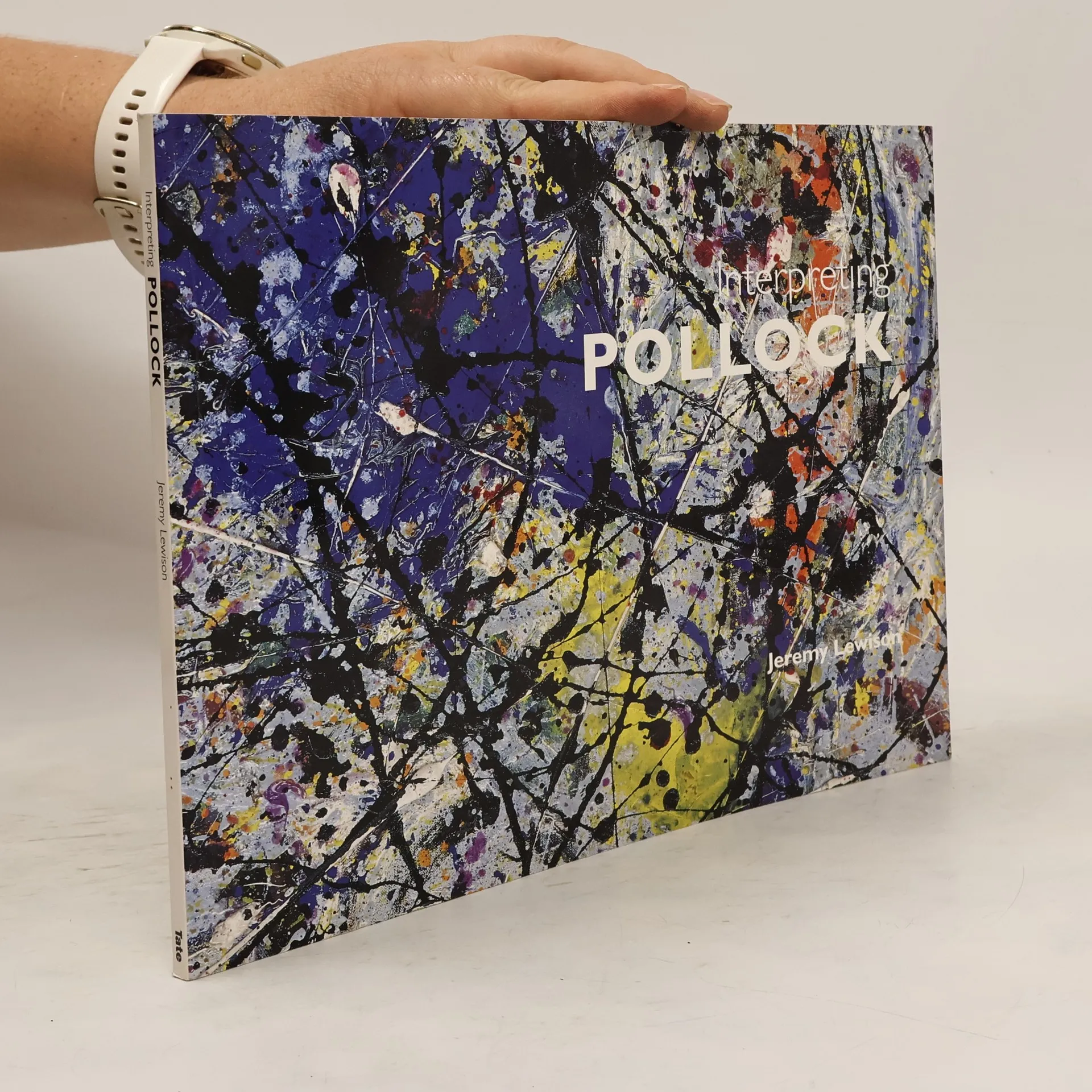
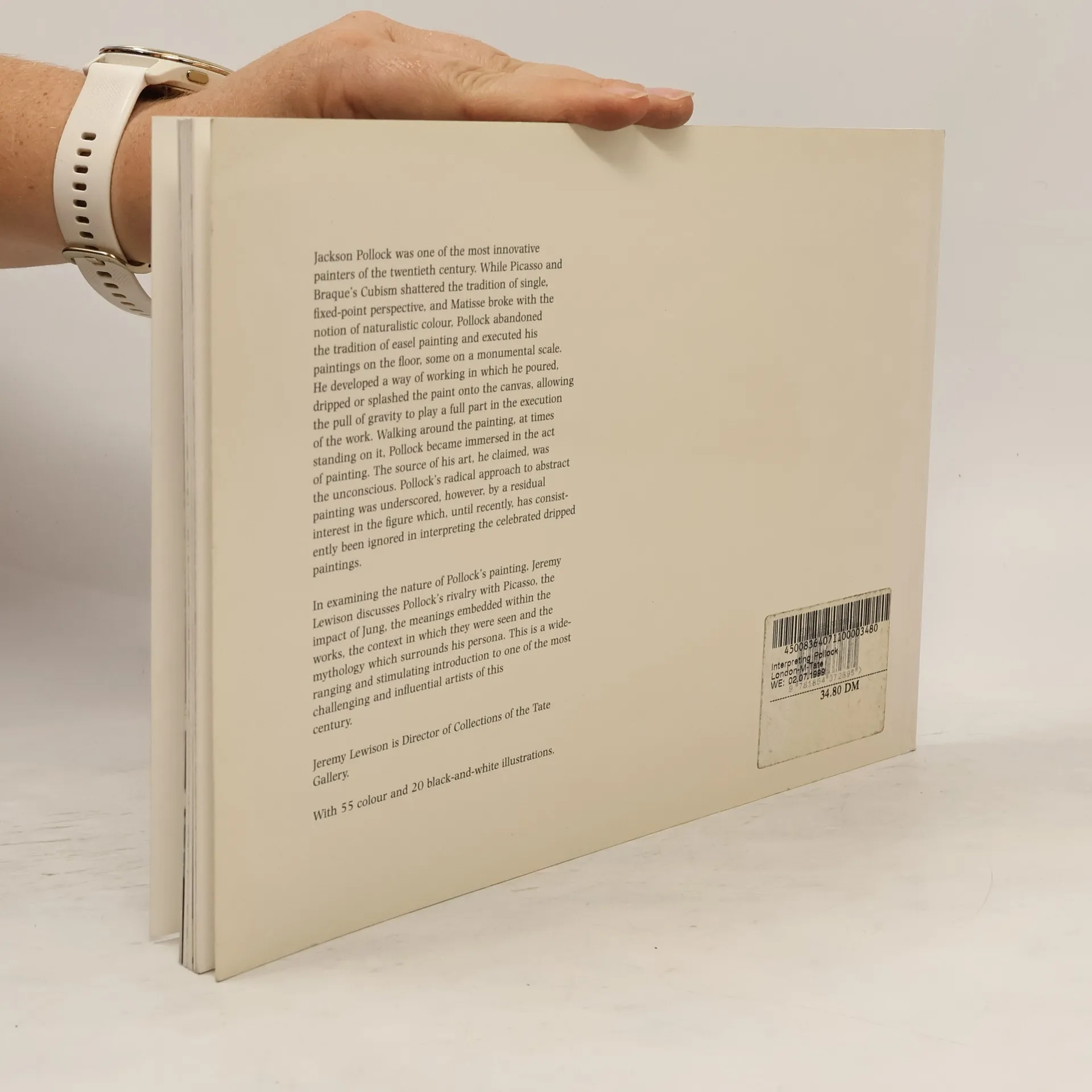
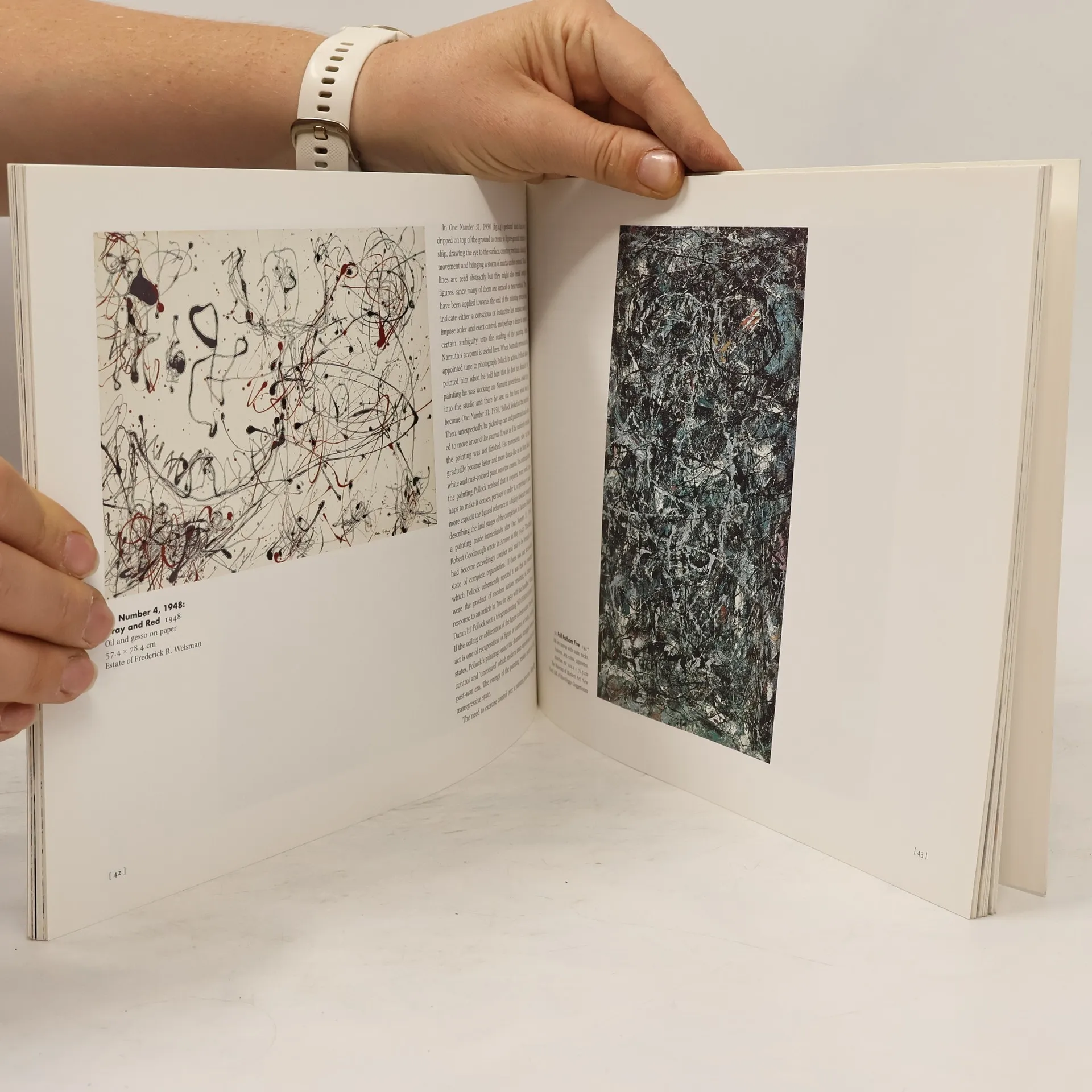
Jackson Pollock was one of the most innovative painters of the 20th century. While Picasso and Braque's Cubism shattered the tradition of single, fixed-point perspective, and Matisse broke with the notion of naturalistic color, Pollock abandoned the tradition of easel painting and executed his paintings on the floor, some on a monumental scale. He developed a way of working in which he poured, dripped, or splashed the paint onto the canvas, allowing the pull of gravity to play a full part in the execution of the work. Walking around the painting, at times standing on it, Pollock became immersed in the act of painting. The source of his art, he claimed, was the unconscious. Pollock's radical approach to abstract painting was underscored, however by a residual interest in the future which, until recently has consistently been ignored in interpreting the celebrated dripped paintings. In examining the nature of Pollock's painting, Jeremy Lewison discusses Pollock's rivalry with Picasso, the impact of Jung, the meanings embedded within the works, the context in which they were seen, and the mythology which surrounds his persona. This is a wide-ranging and stimulating introduction to one of the most challenging and influential artists of the 20th century.
Zakup książki
Interpreting Pollock, Jeremy Lewison
- Język

- Rok wydania
- 1999
- Oprawa
- (miękka)
Metody płatności
Brakuje nam tutaj Twojej recenzji.
- Tytuł
- Interpreting Pollock
- Język
- angielski
- Autorzy
- Jeremy Lewison
- Wydawca
- Tate Publishing
- Rok wydania
- 1999
- Oprawa
- miękka
- Liczba stron
- 80
- ISBN10
- 1854372890
- ISBN13
- 9781854372895
- Seria
- Kategorie
- Tagi
- Sztuka
- Ocena
- 3,15 z 5
- Opis
- Jackson Pollock was one of the most innovative painters of the 20th century. While Picasso and Braque's Cubism shattered the tradition of single, fixed-point perspective, and Matisse broke with the notion of naturalistic color, Pollock abandoned the tradition of easel painting and executed his paintings on the floor, some on a monumental scale. He developed a way of working in which he poured, dripped, or splashed the paint onto the canvas, allowing the pull of gravity to play a full part in the execution of the work. Walking around the painting, at times standing on it, Pollock became immersed in the act of painting. The source of his art, he claimed, was the unconscious. Pollock's radical approach to abstract painting was underscored, however by a residual interest in the future which, until recently has consistently been ignored in interpreting the celebrated dripped paintings. In examining the nature of Pollock's painting, Jeremy Lewison discusses Pollock's rivalry with Picasso, the impact of Jung, the meanings embedded within the works, the context in which they were seen, and the mythology which surrounds his persona. This is a wide-ranging and stimulating introduction to one of the most challenging and influential artists of the 20th century.