


Parametry
Więcej o książce
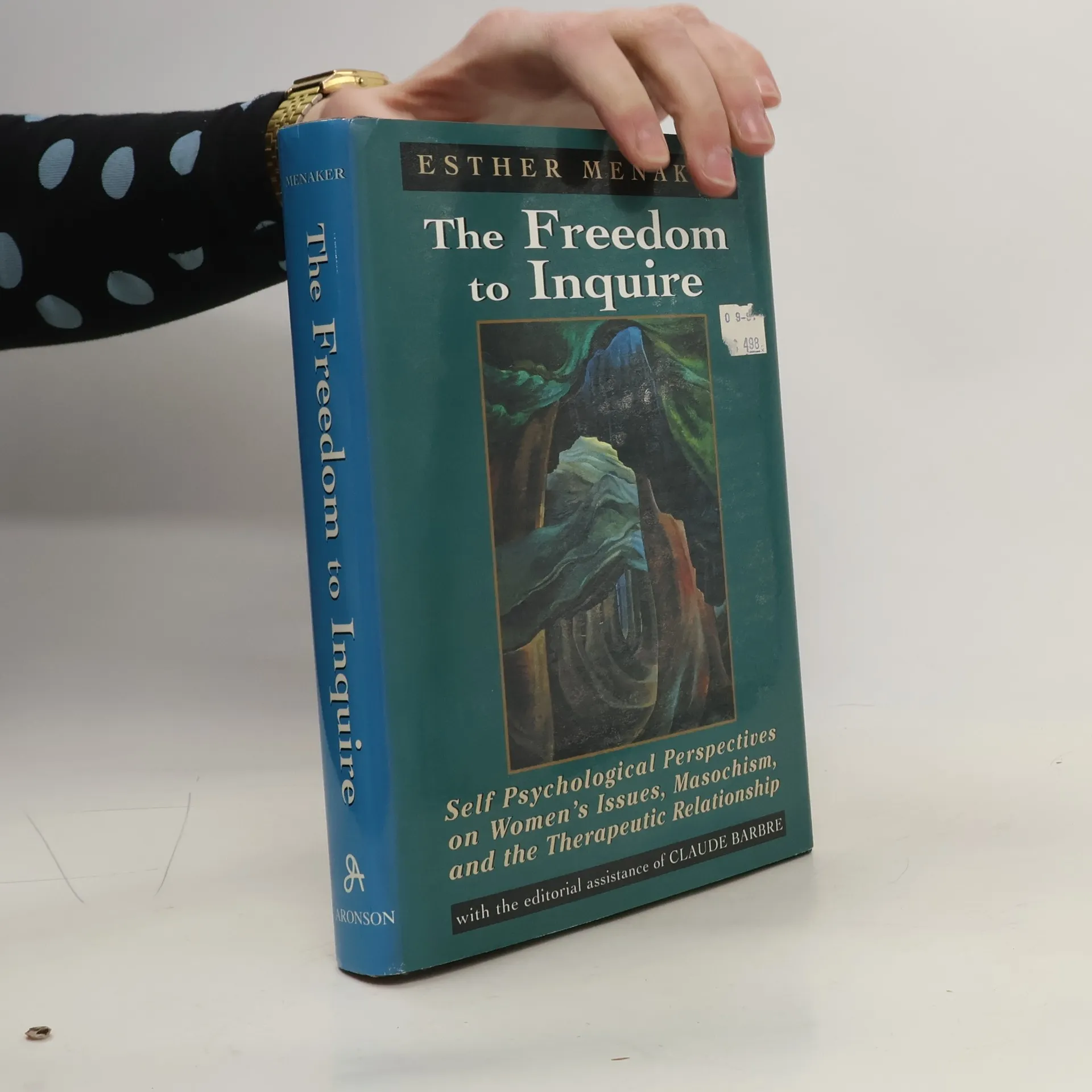
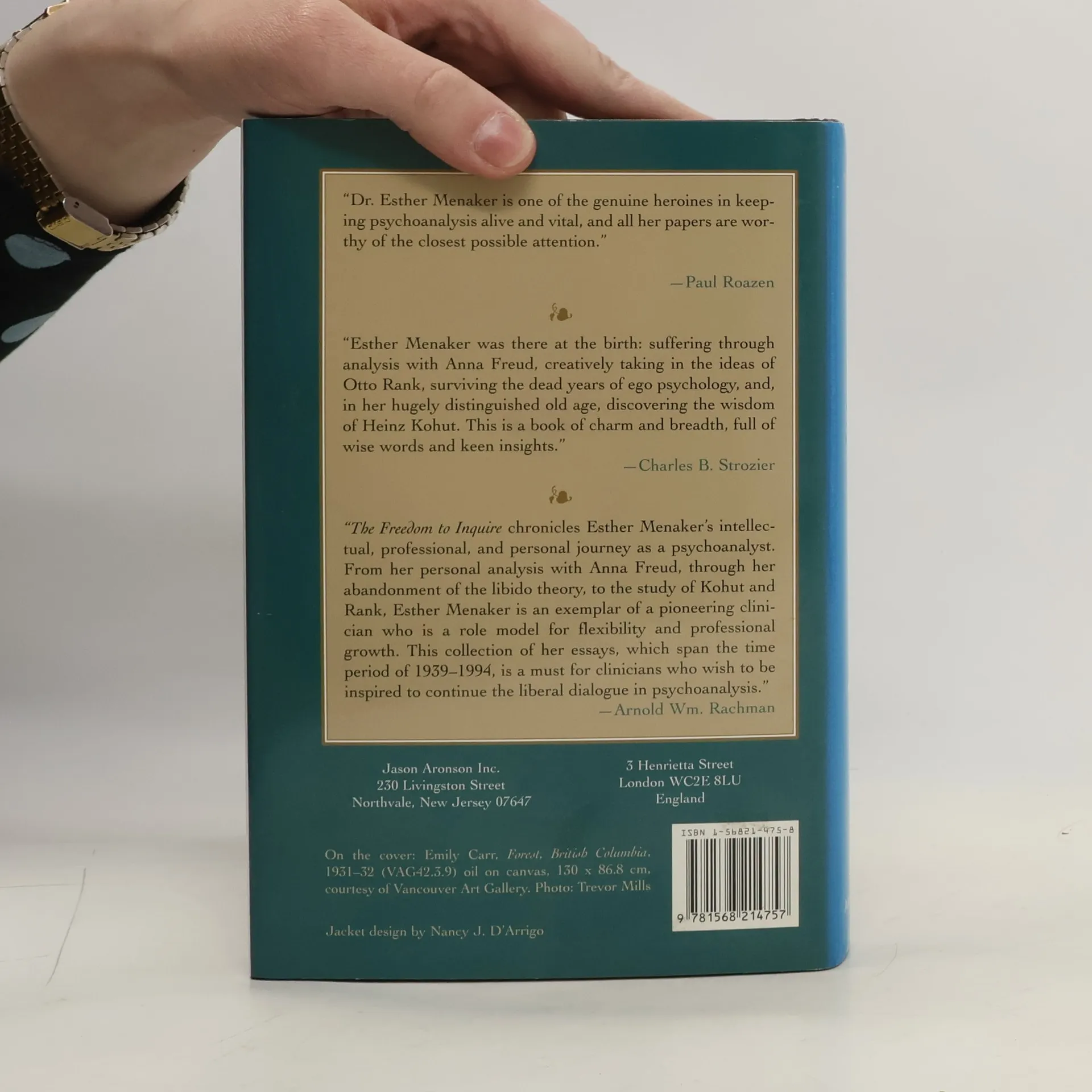
These significant papers, written over a period of more than forty years, document the evolution of Dr. Esther Menaker's thinking from a Freudian position - reflective of her early training with Anna Freud in Vienna - to a self psychological approach both in theory and in practice. In developing treatment objectives, Dr. Menaker traces the historical and social factors that lead to different psychological problems, and emphasizes growth and the optimal fulfillment of an individual's potentiality, rather than the elimination of symptoms as constituting "cure." Her shift from classical instinct theory as the primary explanation of human behavior to what Kohut termed the empathic stance as a legitimate method of observation is clearly illustrated with clinical material. Organized in sections that reflect Dr. Menaker's major areas of interest, and written from the vantage point of more than sixty years of experience as a psychoanalyst and gifted teacher, this volume focuses on self psychology, masochism, women's issues, and the history of psychoanalysis. The book concludes with an interview with Dr. Menaker that captures the author's candid style in regard to her work and life.
Zakup książki
The Freedom to Inquire, Esther Menaker
- Język

- Rok wydania
- 1995
- Oprawa
- (twarda)
Metody płatności
Nikt jeszcze nie ocenił.
- Tytuł
- The Freedom to Inquire
- Język
- angielski
- Autorzy
- Esther Menaker
- Wydawca
- Jason Aronson
- Rok wydania
- 1995
- Oprawa
- twarda
- ISBN10
- 1568214758
- ISBN13
- 9781568214757
- Seria
- Kategorie
- Opis
- These significant papers, written over a period of more than forty years, document the evolution of Dr. Esther Menaker's thinking from a Freudian position - reflective of her early training with Anna Freud in Vienna - to a self psychological approach both in theory and in practice. In developing treatment objectives, Dr. Menaker traces the historical and social factors that lead to different psychological problems, and emphasizes growth and the optimal fulfillment of an individual's potentiality, rather than the elimination of symptoms as constituting "cure." Her shift from classical instinct theory as the primary explanation of human behavior to what Kohut termed the empathic stance as a legitimate method of observation is clearly illustrated with clinical material. Organized in sections that reflect Dr. Menaker's major areas of interest, and written from the vantage point of more than sixty years of experience as a psychoanalyst and gifted teacher, this volume focuses on self psychology, masochism, women's issues, and the history of psychoanalysis. The book concludes with an interview with Dr. Menaker that captures the author's candid style in regard to her work and life.