

Więcej o książce
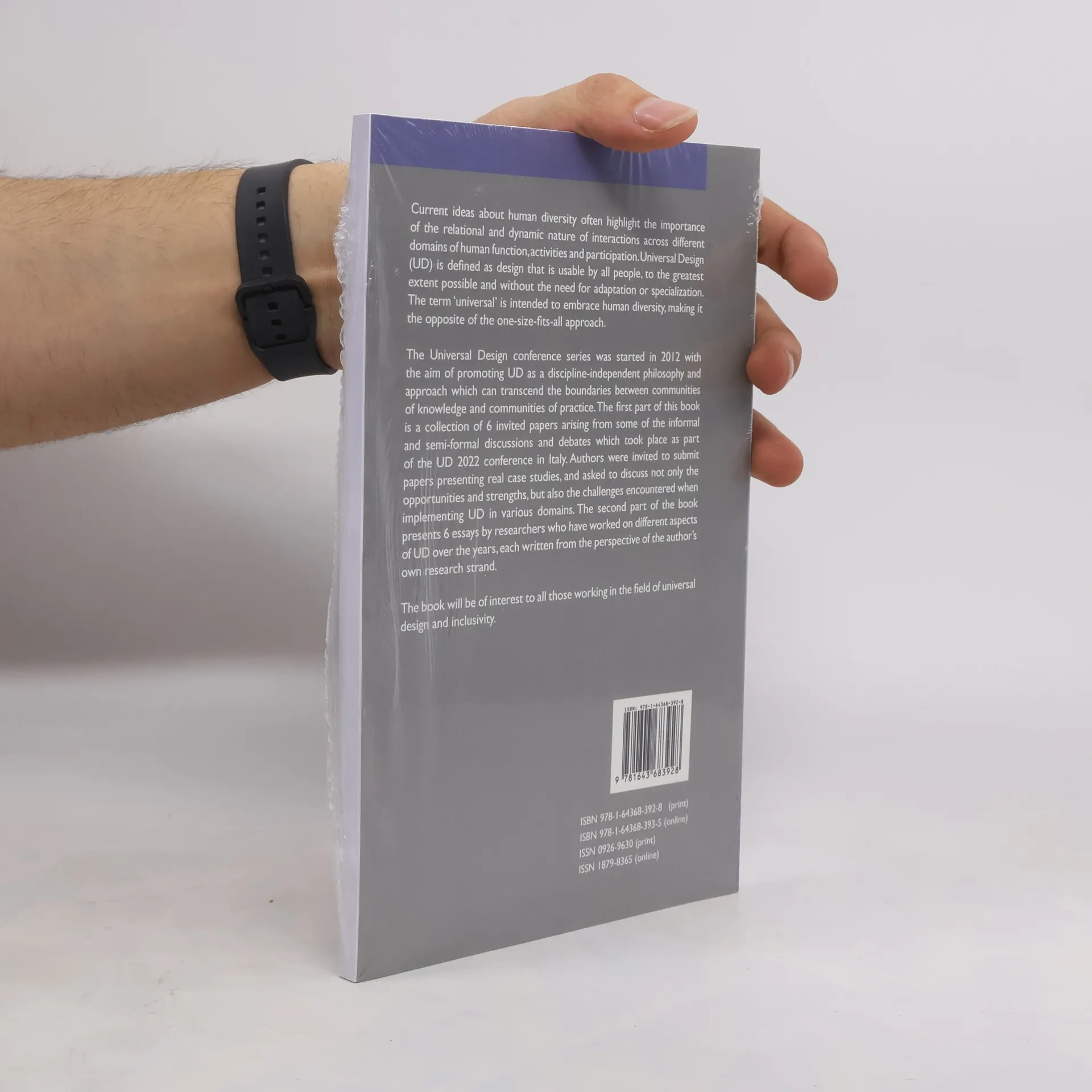
Current ideas about human diversity often highlight the importance of the relational and dynamic nature of interactions across different domains of human function, activities and participation. Universal Design (UD) is defined as design that is usable by all people, to the greatest extent possible and without the need for adaptation or specialization. The term 'universal' is intended to embrace human diversity, making it the opposite of the one-size-fits-all approach. The Universal Design conference series was started in 2012 with the aim of promoting UD as a discipline-independent philosophy and approach which can transcend the boundaries between communities of knowledge and communities of practice. The first part of this book is a collection of 6 invited papers arising from some of the informal and semi-formal discussions and debates which took place as part of the UD 2022 conference in Italy. Authors were invited to submit papers presenting real case studies, and asked to discuss not only the opportunities and strengths, but also the challenges encountered when implementing UD in various domains. The second part of the book presents 6 essays by researchers who have worked on different aspects of UD over the years, each written from the perspective of the author's own research strand. The book will be of interest to all those working in the field of universal design and inclusivity.
Zakup książki
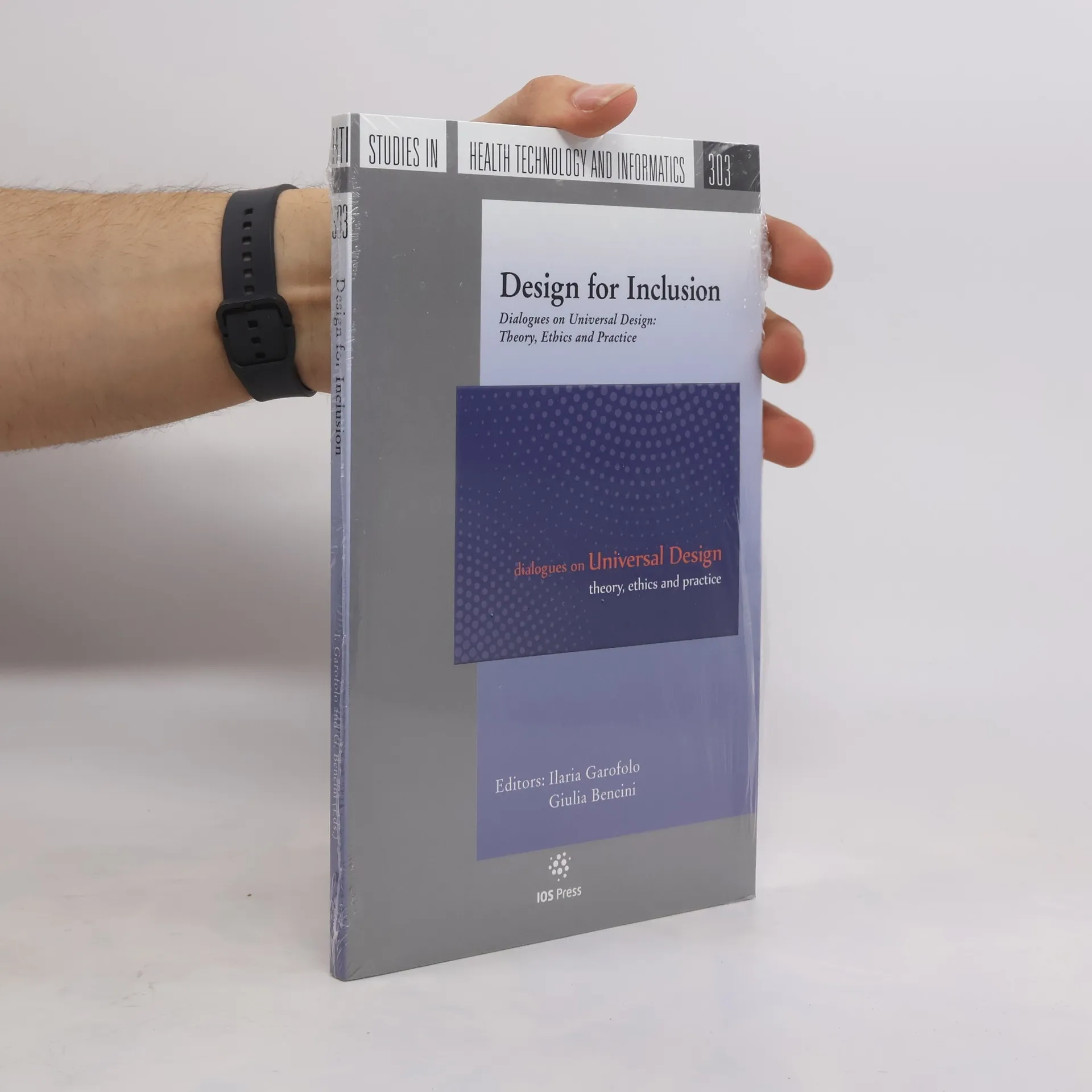
Design for Inclusion, kolektiv
- Język

- Rok wydania
- 2023
- Oprawa
- (miękka)
Metody płatności
Nikt jeszcze nie ocenił.
- Tytuł
- Design for Inclusion
- Podtytuł
- Dialogues on Universal Design: Theory, Ethics and Practice
- Język
- angielski
- Autorzy
- kolektiv
- Wydawca
- IOS Press
- Rok wydania
- 2023
- Oprawa
- miękka
- Liczba stron
- 120
- ISBN10
- 1643683926
- ISBN13
- 9781643683928
- Seria
- Tagi
- Opis
- Current ideas about human diversity often highlight the importance of the relational and dynamic nature of interactions across different domains of human function, activities and participation. Universal Design (UD) is defined as design that is usable by all people, to the greatest extent possible and without the need for adaptation or specialization. The term 'universal' is intended to embrace human diversity, making it the opposite of the one-size-fits-all approach. The Universal Design conference series was started in 2012 with the aim of promoting UD as a discipline-independent philosophy and approach which can transcend the boundaries between communities of knowledge and communities of practice. The first part of this book is a collection of 6 invited papers arising from some of the informal and semi-formal discussions and debates which took place as part of the UD 2022 conference in Italy. Authors were invited to submit papers presenting real case studies, and asked to discuss not only the opportunities and strengths, but also the challenges encountered when implementing UD in various domains. The second part of the book presents 6 essays by researchers who have worked on different aspects of UD over the years, each written from the perspective of the author's own research strand. The book will be of interest to all those working in the field of universal design and inclusivity.