

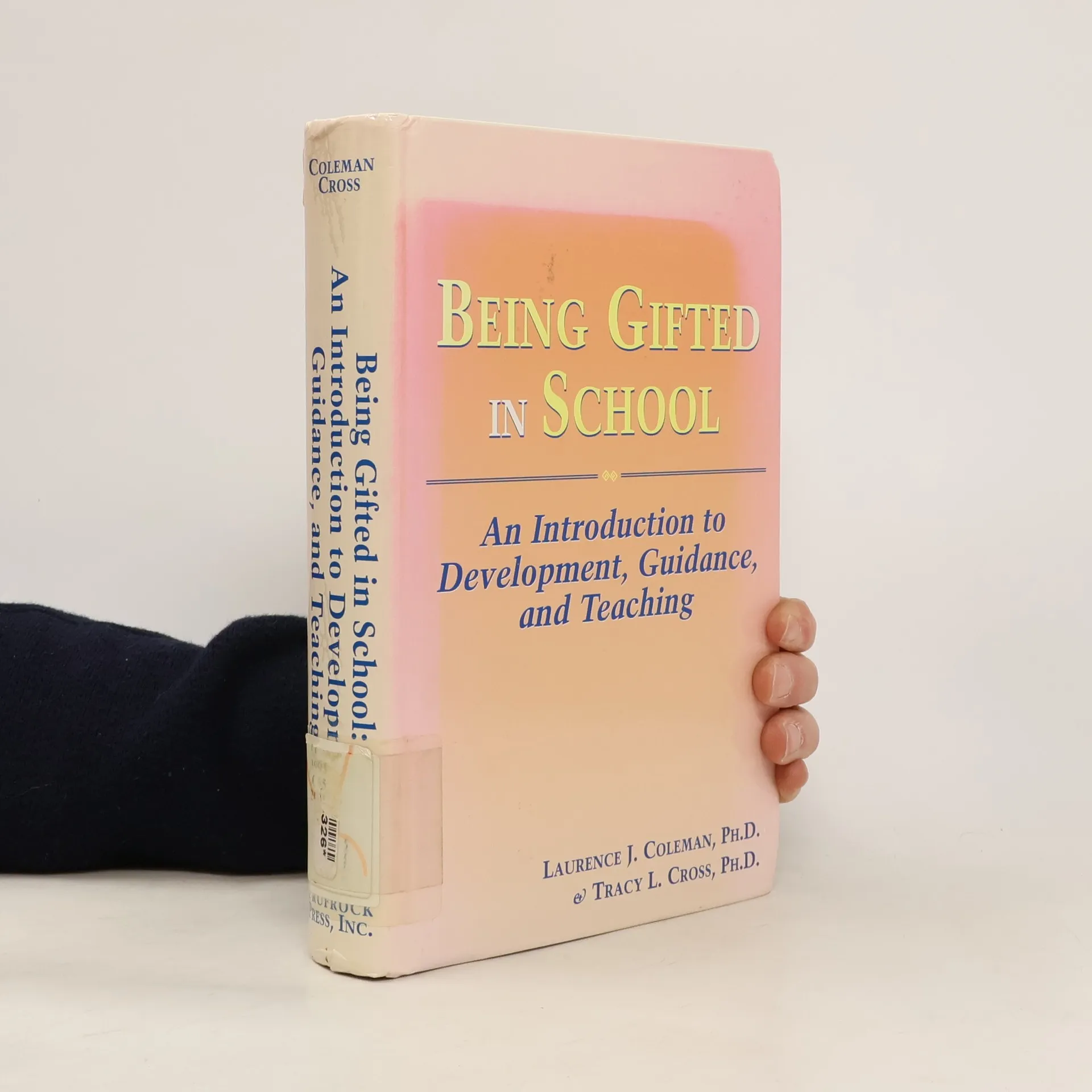
Więcej o książce
In this fully revised and expanded second edition, Being Gifted in School: An Introduction to Development, Guidance, and Teaching reviews the past developments within the field of gifted education and identifies the current trends, issues, and beliefs in the field. This book offers the most comprehensive, up-to-date introduction to the field of gifted education available. The authors, who are nationally recognized leaders in the field, discuss definitions and models of giftedness, identification of the gifted, teaching methods and best practices, creativity, counseling and guidance, administrative arrangements, and program prototypes and evaluation. The book is geared toward educators with questions regarding curricular and instructional implementation, administrators facing program planning, parents with an interest in their child's educational opportunities, and advanced undergraduate and graduate students curious about trends within gifted education. By recognizing both typical and atypical gifted students, the authors enourage readers to defy traditional assumptions about gifted children and their education.
Zakup książki
Being Gifted in School, Laurence J. Coleman, Tracy L. Cross
- Język

- Rok wydania
- 2001
- Oprawa
- (twarda)
Metody płatności
Nikt jeszcze nie ocenił.
- Tytuł
- Being Gifted in School
- Język
- angielski
- Autorzy
- Laurence J. Coleman, Tracy L. Cross
- Wydawca
- Prufrock Press Inc.
- Rok wydania
- 2001
- Oprawa
- twarda
- Liczba stron
- 515
- ISBN10
- 1882664590
- ISBN13
- 9781882664597
- Seria
- Tagi
- Opis
- In this fully revised and expanded second edition, Being Gifted in School: An Introduction to Development, Guidance, and Teaching reviews the past developments within the field of gifted education and identifies the current trends, issues, and beliefs in the field. This book offers the most comprehensive, up-to-date introduction to the field of gifted education available. The authors, who are nationally recognized leaders in the field, discuss definitions and models of giftedness, identification of the gifted, teaching methods and best practices, creativity, counseling and guidance, administrative arrangements, and program prototypes and evaluation. The book is geared toward educators with questions regarding curricular and instructional implementation, administrators facing program planning, parents with an interest in their child's educational opportunities, and advanced undergraduate and graduate students curious about trends within gifted education. By recognizing both typical and atypical gifted students, the authors enourage readers to defy traditional assumptions about gifted children and their education.