


Więcej o książce
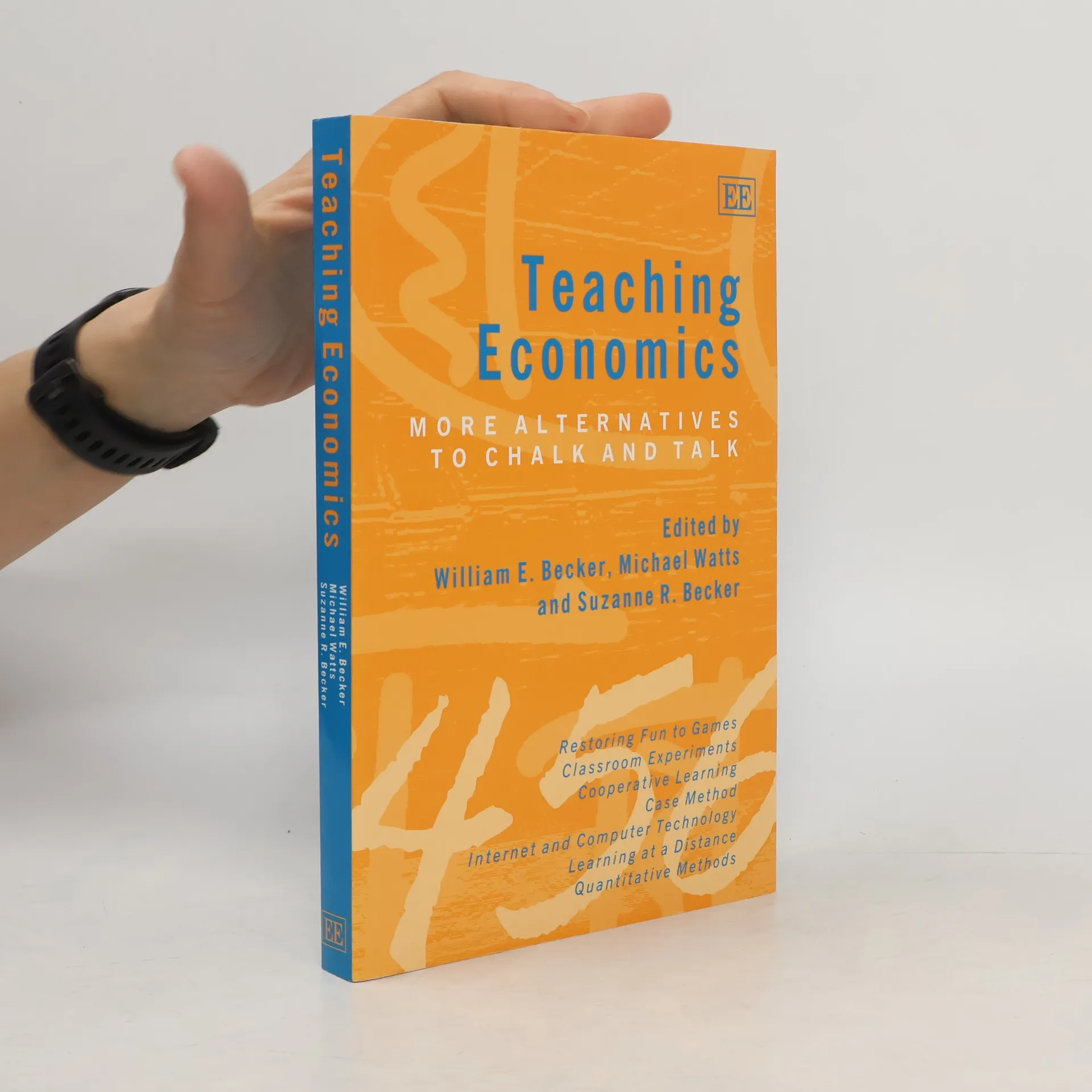
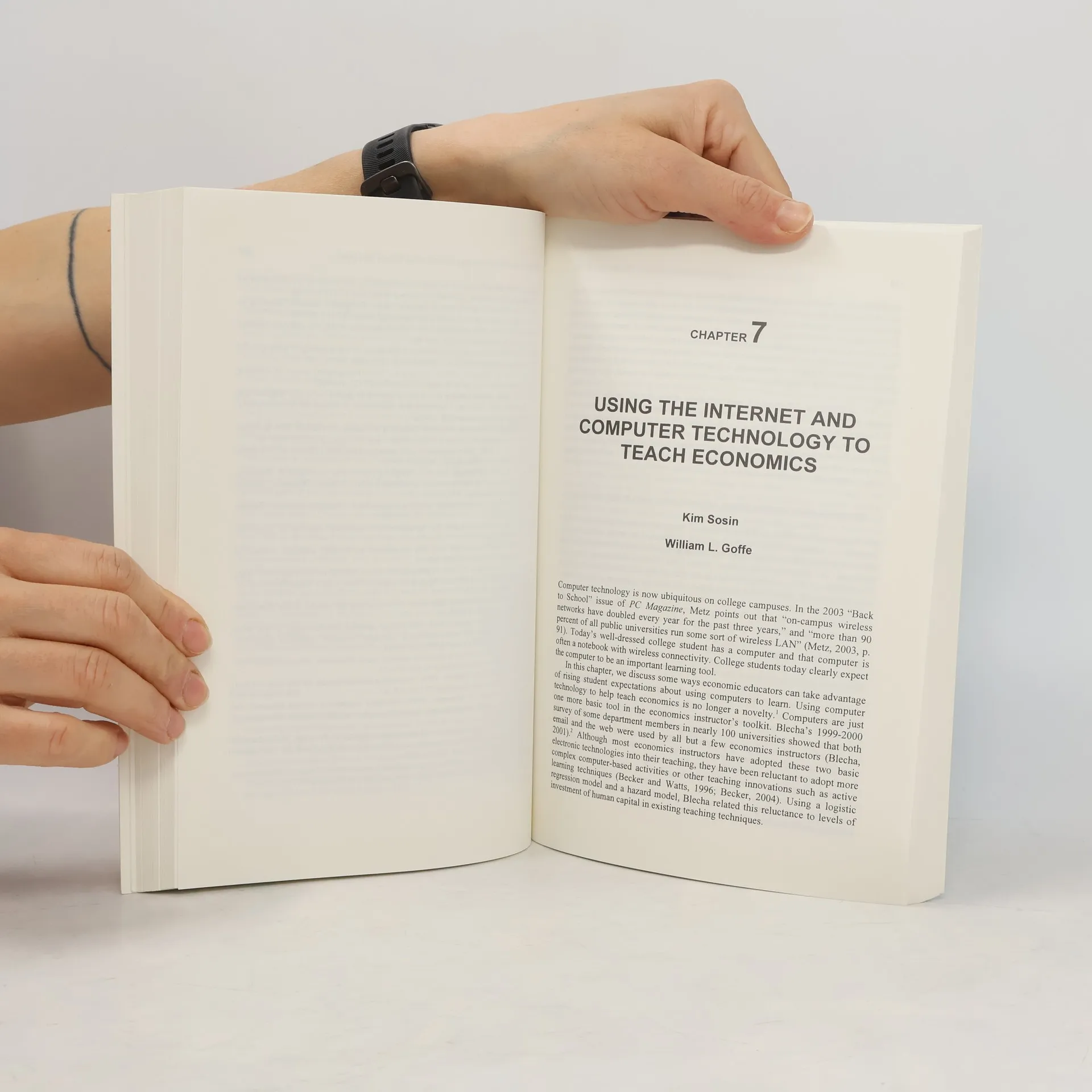
This sequel to the 1998 Teaching Economics to Undergraduates offers alternatives to the traditional lecture-based approach in university economics education. Distinguished authors present a variety of innovative teaching techniques designed to engage undergraduates more effectively. New topics include game theory, active learning in large classes, a streamlined macroeconomic principles agenda, distance learning, and student assessment. Some chapters revisit earlier topics from a fresh perspective, introducing new methods from different authors. These include cooperative learning techniques, classroom technology integration (featuring numerous websites), incorporating Nobel Laureates' work into the curriculum, and utilizing experimental economics, case studies, or team writing assignments and presentations. This resource serves as an invaluable tool for economics teachers, administrators overseeing undergraduate instruction, and graduate students beginning their teaching careers. Each chapter provides specific implementation tips and summary lists of dos and don'ts for instructors looking to move beyond traditional lecture methods.
Zakup książki
Teaching economics, William E Becker, Suzanne R Becker, Michael J. Watts
- Język

- Rok wydania
- 2006
- Oprawa
- (miękka)
Metody płatności
Brakuje nam tutaj Twojej recenzji.
- Tytuł
- Teaching economics
- Podtytuł
- More alternatives to chalk and talk
- Język
- angielski
- Wydawca
- Edward Elgar Publishing
- Rok wydania
- 2006
- Oprawa
- miękka
- Liczba stron
- 225
- ISBN10
- 1847200397
- ISBN13
- 9781847200396
- Seria
- Tagi
- Biznes
- Ocena
- 2 z 5
- Opis
- This sequel to the 1998 Teaching Economics to Undergraduates offers alternatives to the traditional lecture-based approach in university economics education. Distinguished authors present a variety of innovative teaching techniques designed to engage undergraduates more effectively. New topics include game theory, active learning in large classes, a streamlined macroeconomic principles agenda, distance learning, and student assessment. Some chapters revisit earlier topics from a fresh perspective, introducing new methods from different authors. These include cooperative learning techniques, classroom technology integration (featuring numerous websites), incorporating Nobel Laureates' work into the curriculum, and utilizing experimental economics, case studies, or team writing assignments and presentations. This resource serves as an invaluable tool for economics teachers, administrators overseeing undergraduate instruction, and graduate students beginning their teaching careers. Each chapter provides specific implementation tips and summary lists of dos and don'ts for instructors looking to move beyond traditional lecture methods.