

Parametry
Więcej o książce
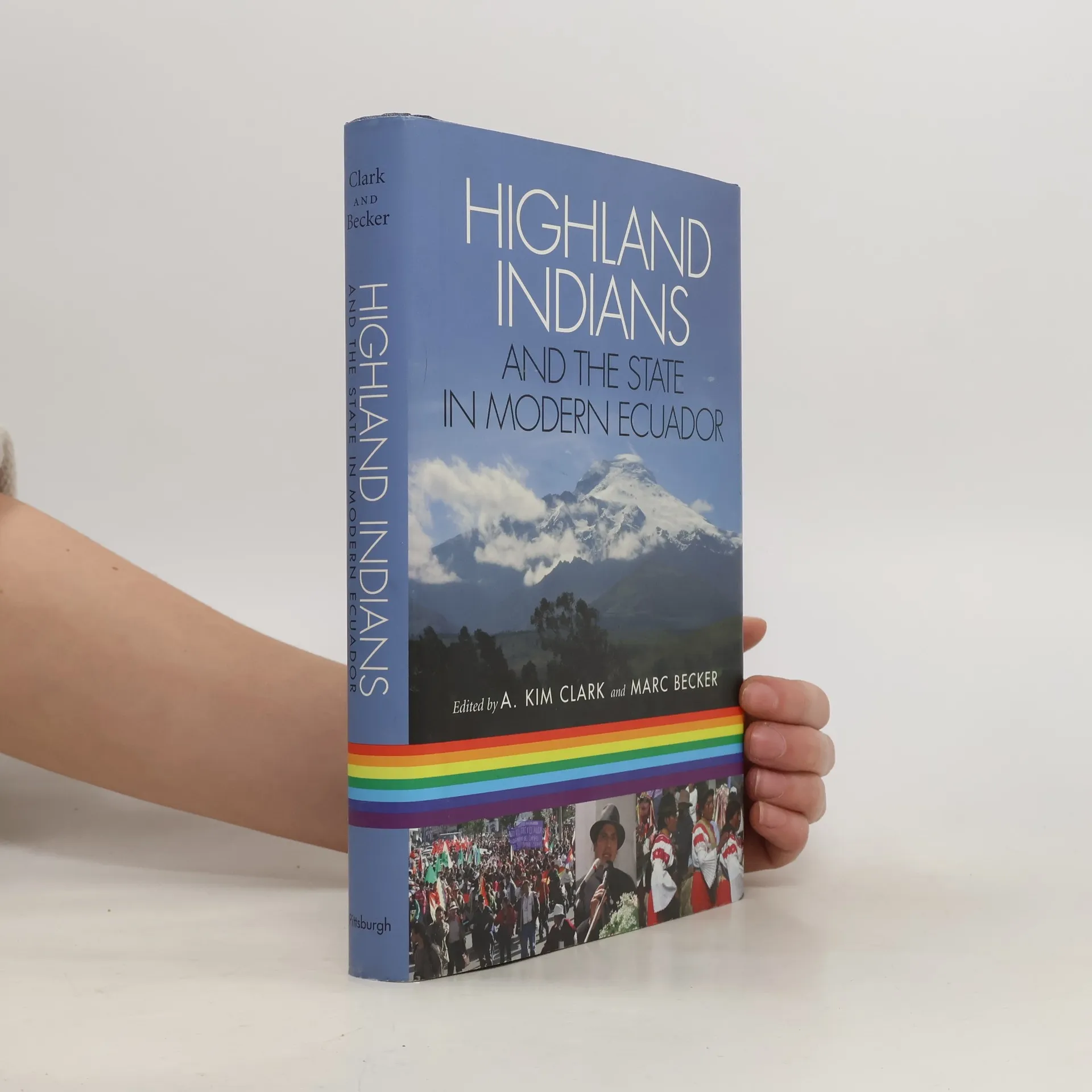
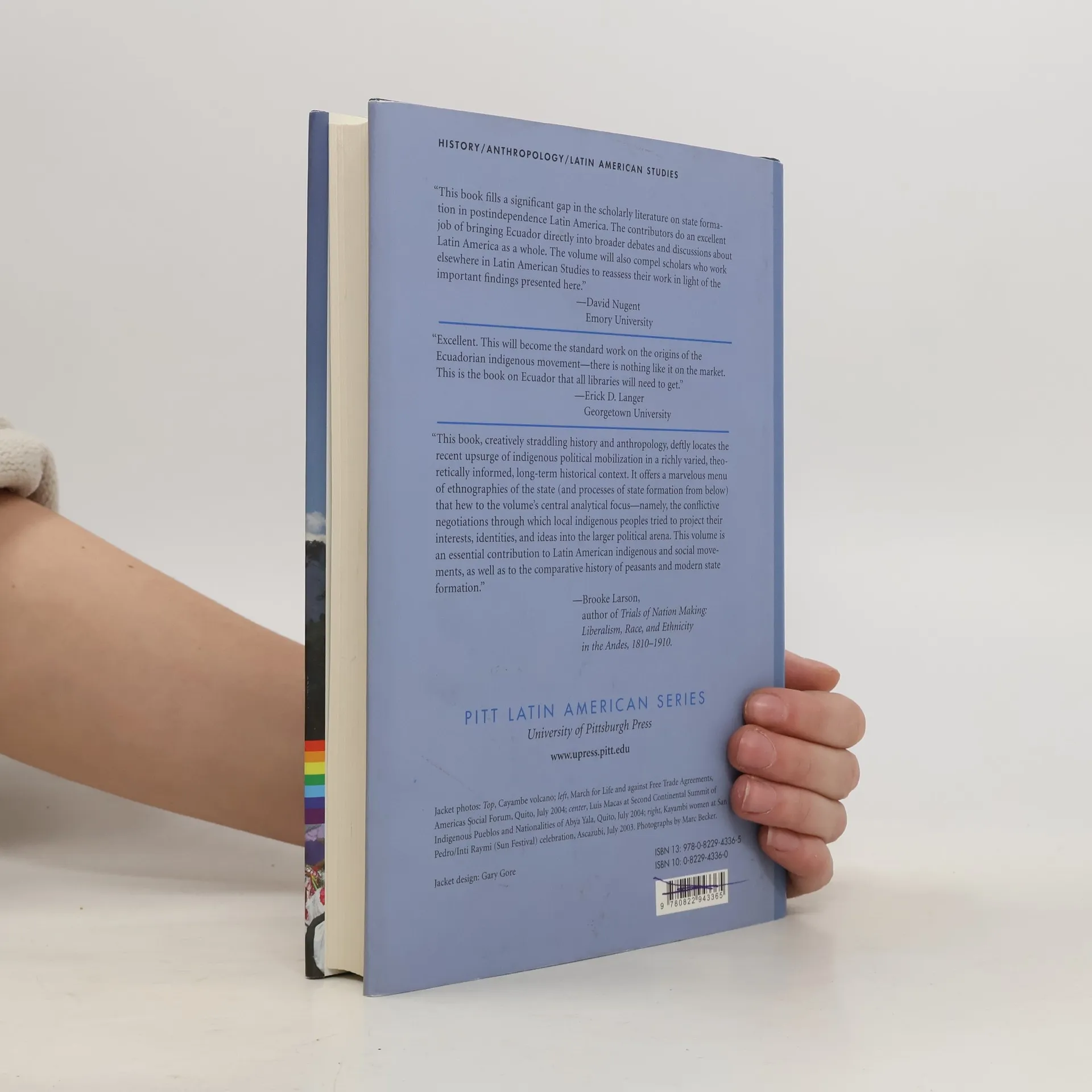
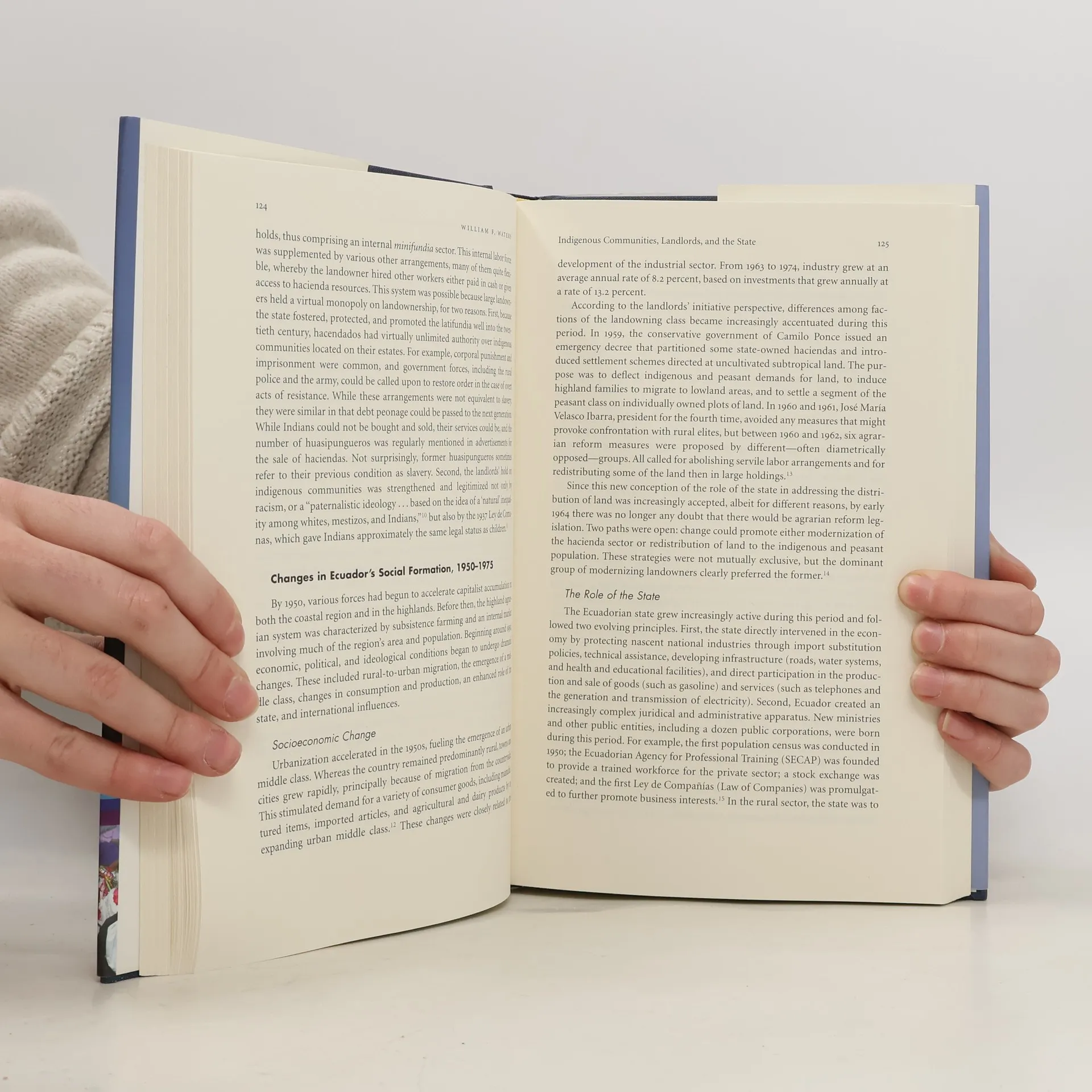
Highland Indians and the State in Modern Ecuador chronicles the changing forms of indigenous engagement with the Ecuadorian state since the early nineteenth century that, by the beginning of the twenty-first century, had facilitated the growth of the strongest unified indigenous movement in Latin America. Built around nine case studies from nineteenth- and twentieth-century Ecuador, Highland Indians and the State in Modern Ecuador presents state formation as an uneven process, characterized by tensions and contradictions, in which Indians and other subalterns actively participated. It examines how indigenous peoples have attempted, sometimes successfully, to claim control over state formation in order to improve their relative position in society. The book concludes with four comparative essays that place indigenous organizational strategies in highland Ecuador within a larger Latin American historical context. Highland Indians and the State in Modern Ecuador offers an interdisciplinary approach to the study of state formation that will be of interest to a broad range of scholars who study how subordinate groups participate in and contest state formation.
Zakup książki
Highland Indians and the state in modern Ecuador, kolektiv
- Język

- Rok wydania
- 2007
- Oprawa
- (twarda)
Metody płatności
Brakuje nam tutaj Twojej recenzji.
- Tytuł
- Highland Indians and the state in modern Ecuador
- Język
- angielski
- Autorzy
- kolektiv
- Rok wydania
- 2007
- Oprawa
- twarda
- ISBN10
- 0822943360
- ISBN13
- 9780822943365
- Seria
- Kategorie
- Tagi
- Ocena
- 3,5 z 5
- Opis
- Highland Indians and the State in Modern Ecuador chronicles the changing forms of indigenous engagement with the Ecuadorian state since the early nineteenth century that, by the beginning of the twenty-first century, had facilitated the growth of the strongest unified indigenous movement in Latin America. Built around nine case studies from nineteenth- and twentieth-century Ecuador, Highland Indians and the State in Modern Ecuador presents state formation as an uneven process, characterized by tensions and contradictions, in which Indians and other subalterns actively participated. It examines how indigenous peoples have attempted, sometimes successfully, to claim control over state formation in order to improve their relative position in society. The book concludes with four comparative essays that place indigenous organizational strategies in highland Ecuador within a larger Latin American historical context. Highland Indians and the State in Modern Ecuador offers an interdisciplinary approach to the study of state formation that will be of interest to a broad range of scholars who study how subordinate groups participate in and contest state formation.