



Więcej o książce
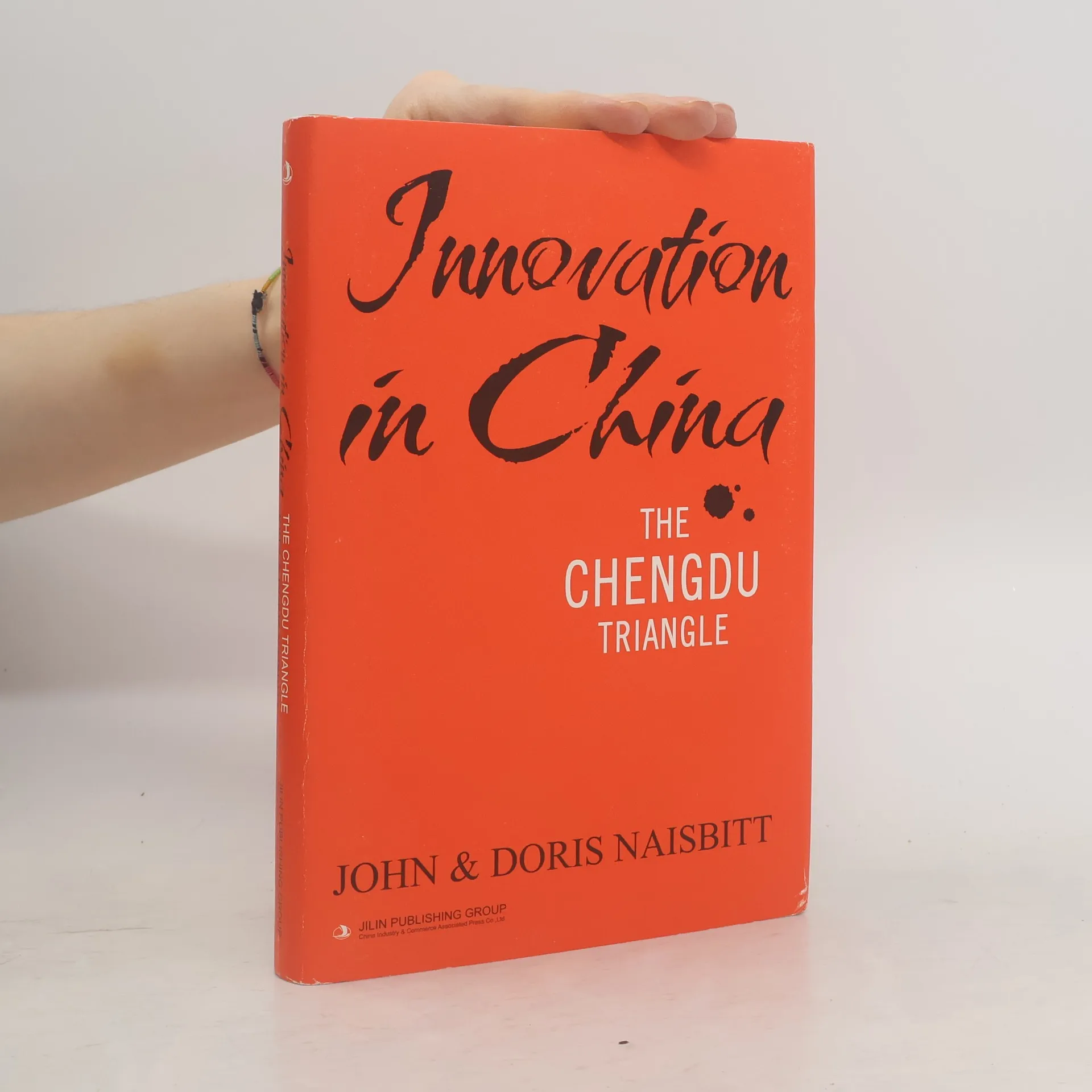
Chengdu is a model for China's innovation path. How could Chengdu, in less than a decade, transform from an underdeveloped inland city to become the leader in urban-rural integration, home to ultra-modern high-tech parks and host to more than 200 Fortune 500 companies? Two years of research have resulted in the theory of the Chengdu Triangle: property rights reform, equalization of public service, grassroots democracy, and at its core, respect for individual rights. A holistic, service-oriented, and innovative spirit enabled Chengdu's government to simultaneously work on social, economic, and legal change, with efforts in each area supporting and accelerating progress in the others. The approach of the Chengdu Triangle can serve as a model not only for Chinese cities but for cities worldwide facing a widening gap between rich and poor and urban and rural. Innovative thinking must expand beyond technological and business theories to include new paths for abolishing social inequity and injustice.
Zakup książki
Innovation in China-THE CHENGDU TRIANGLE, John Naisbitt
- Język

- Rok wydania
- 2012
- Oprawa
- (twarda)
Metody płatności
Nikt jeszcze nie ocenił.
- Tytuł
- Innovation in China-THE CHENGDU TRIANGLE
- Język
- angielski
- Autorzy
- John Naisbitt
- Rok wydania
- 2012
- Oprawa
- twarda
- Liczba stron
- 209
- ISBN10
- 7515801735
- ISBN13
- 9787515801735
- Seria
- Kategorie
- Tagi
- Opis
- Chengdu is a model for China's innovation path. How could Chengdu, in less than a decade, transform from an underdeveloped inland city to become the leader in urban-rural integration, home to ultra-modern high-tech parks and host to more than 200 Fortune 500 companies? Two years of research have resulted in the theory of the Chengdu Triangle: property rights reform, equalization of public service, grassroots democracy, and at its core, respect for individual rights. A holistic, service-oriented, and innovative spirit enabled Chengdu's government to simultaneously work on social, economic, and legal change, with efforts in each area supporting and accelerating progress in the others. The approach of the Chengdu Triangle can serve as a model not only for Chinese cities but for cities worldwide facing a widening gap between rich and poor and urban and rural. Innovative thinking must expand beyond technological and business theories to include new paths for abolishing social inequity and injustice.