



Więcej o książce
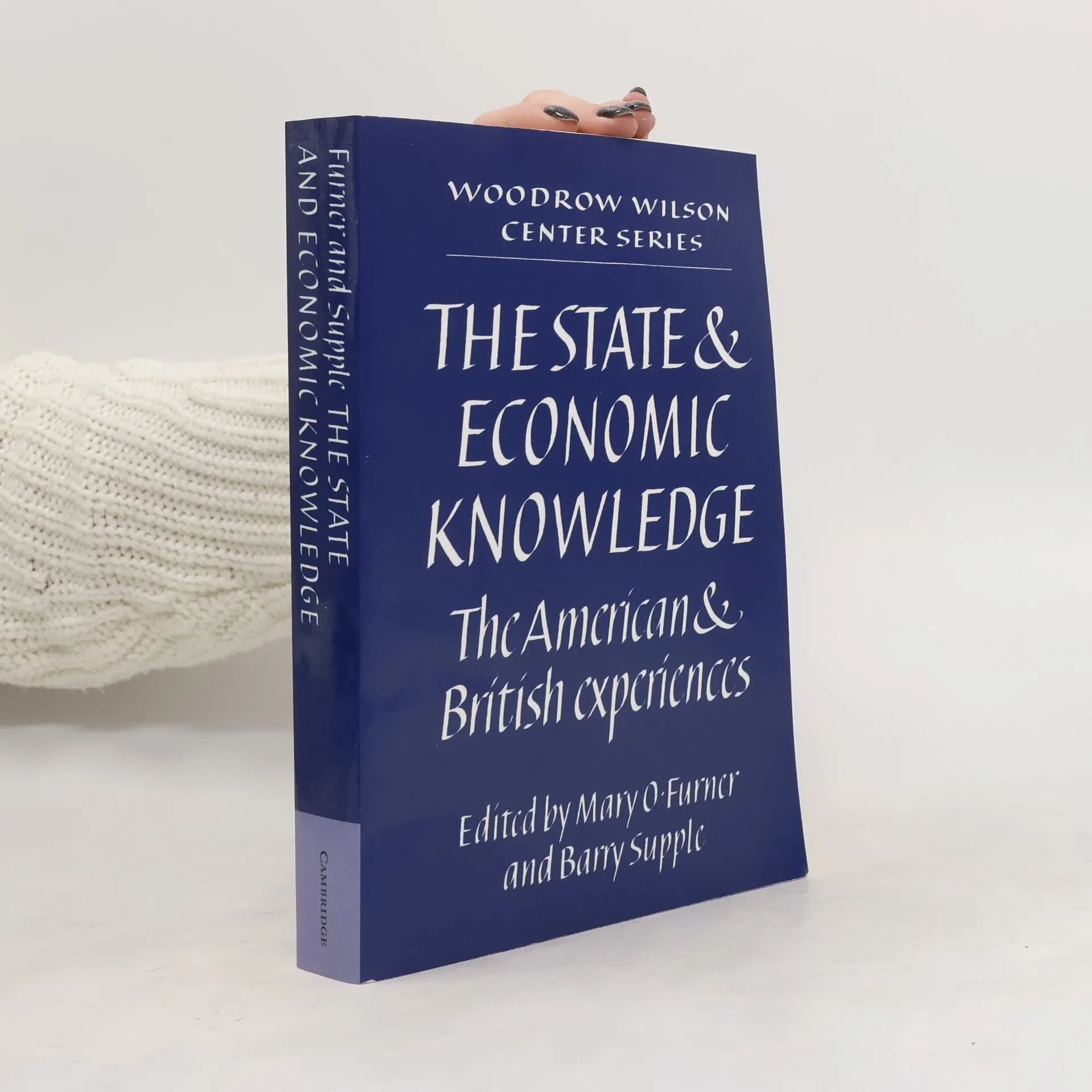
This book addresses an important but inadequately recognized dimension of the activities of the modern state--the role it plays in producing the theoretical and practical knowledge necessary for economic policy making. Over time, governments in modern societies have assumed the ultimate responsibility for ensuring the economic well-being of their citizens and for protecting their competitive positions in the international economy. To perform their various coordinating functions effectively, and to maintain legitimacy, governments have found it necessary to rely on accurate information regarding economic conditions and trends, and on empirically based theories or models that allow officials to anticipate the economy's performance under specified conditions. The traditional assumption, which this collection of essays challenges, is that despite this profound dependence governments have generally acted as passive consumers of whatever ideas economists in the private sector and professions had to offer. This book brings together papers that reveal the ways in which modern states have helped to generate new economic knowledge and how that process interacts with economic changes, specific political institutions and ideological contexts.
Zakup książki
The State and Economic Knowledge, Barry Supple, Mary O. Furner
- Język

- Rok wydania
- 2002
- Oprawa
- (miękka)
Metody płatności
Nikt jeszcze nie ocenił.
- Tytuł
- The State and Economic Knowledge
- Język
- angielski
- Autorzy
- Barry Supple, Mary O. Furner
- Wydawca
- Cambridge University Press
- Rok wydania
- 2002
- Oprawa
- miękka
- Liczba stron
- 491
- ISBN10
- 052152315X
- ISBN13
- 9780521523158
- Seria
- Tagi
- Biznes
- Opis
- This book addresses an important but inadequately recognized dimension of the activities of the modern state--the role it plays in producing the theoretical and practical knowledge necessary for economic policy making. Over time, governments in modern societies have assumed the ultimate responsibility for ensuring the economic well-being of their citizens and for protecting their competitive positions in the international economy. To perform their various coordinating functions effectively, and to maintain legitimacy, governments have found it necessary to rely on accurate information regarding economic conditions and trends, and on empirically based theories or models that allow officials to anticipate the economy's performance under specified conditions. The traditional assumption, which this collection of essays challenges, is that despite this profound dependence governments have generally acted as passive consumers of whatever ideas economists in the private sector and professions had to offer. This book brings together papers that reveal the ways in which modern states have helped to generate new economic knowledge and how that process interacts with economic changes, specific political institutions and ideological contexts.