

Więcej o książce
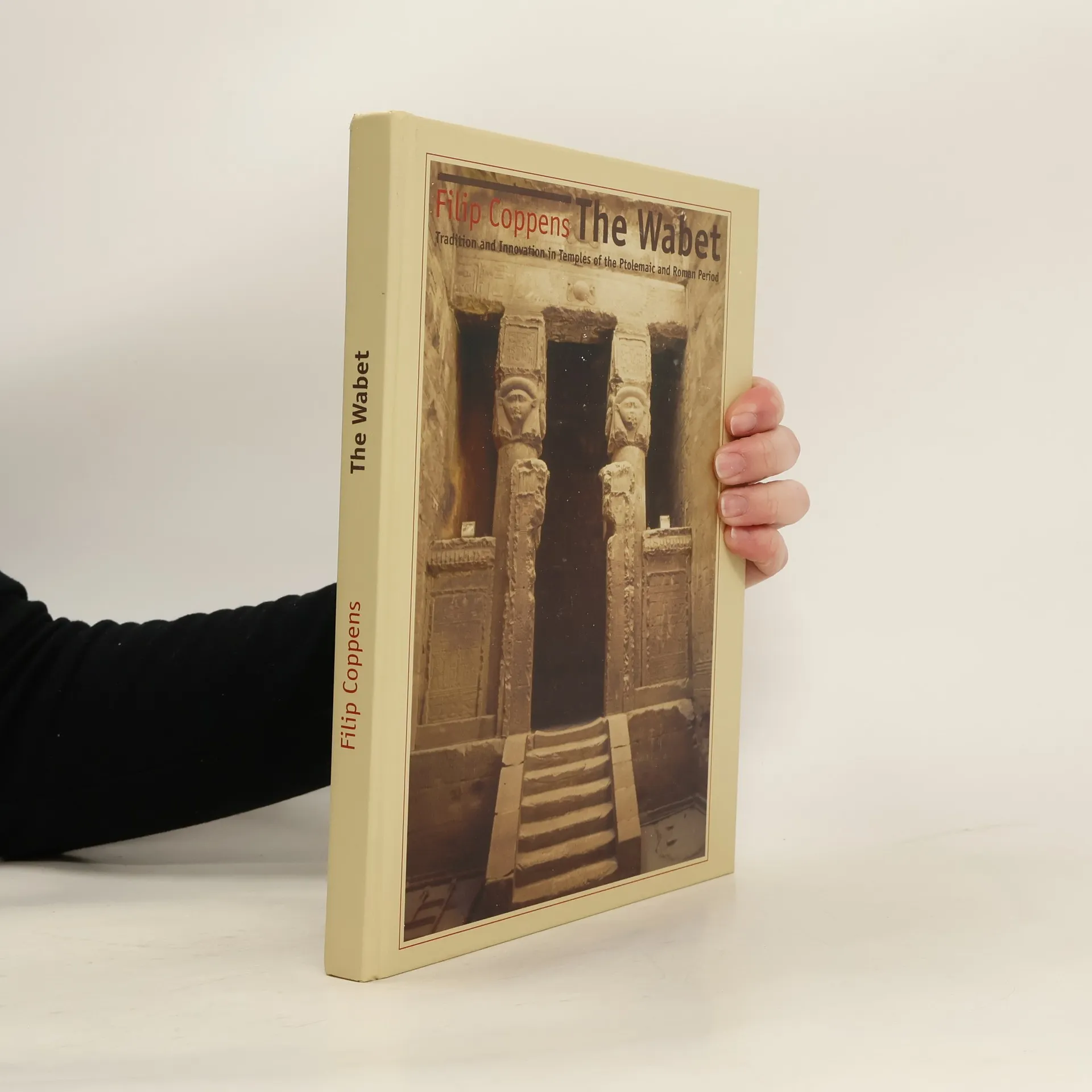
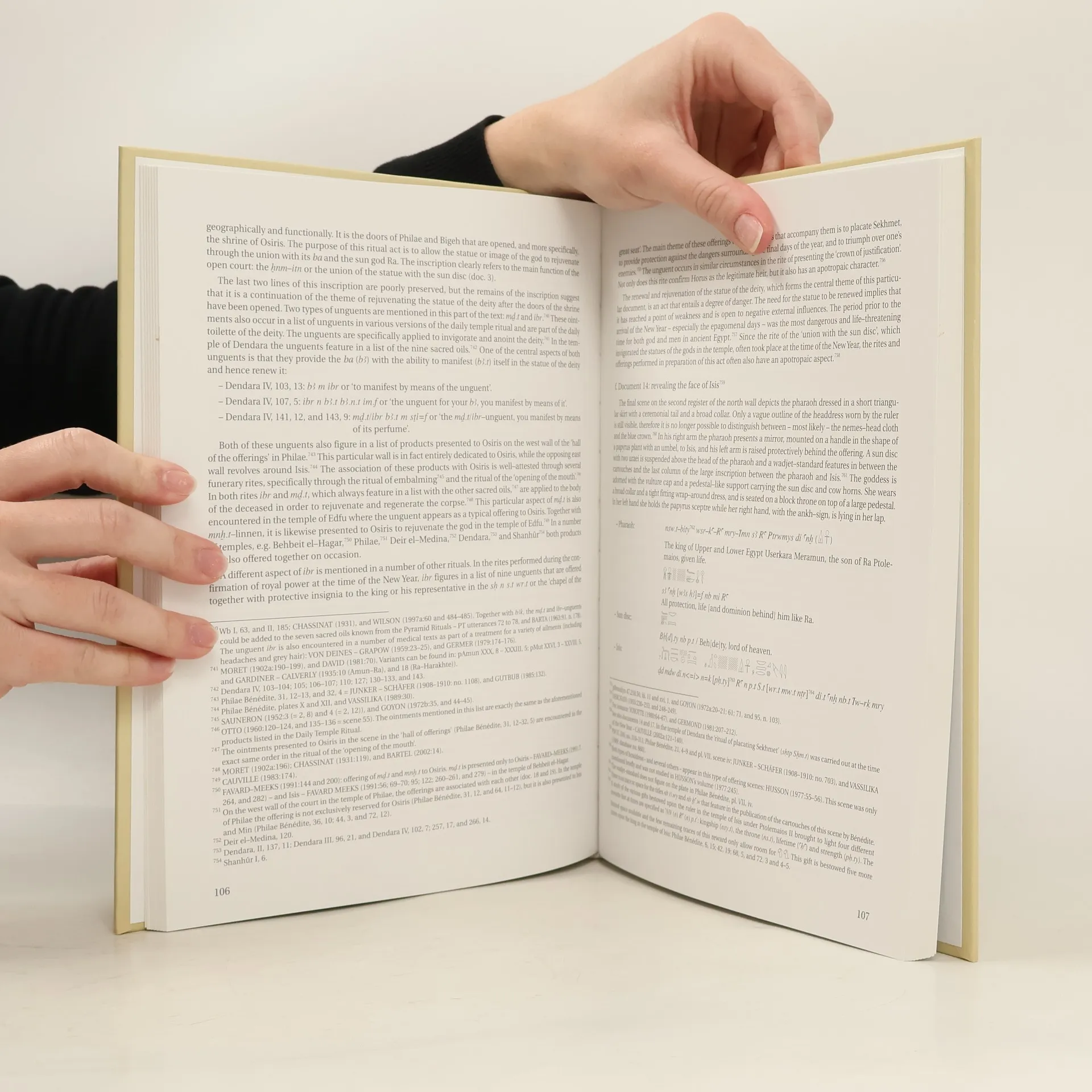
The volume provides an in-depth study of an architectural ensemble that consists of an open court and elevated chapel, better known as the wabet , and forms an essential part of the layout of a dozen temples in Egypt of the Thirtieth Dynasty and the Ptolemaic and Roman era (e.g Philae, Edfu, Dendara, Shanhur, and Deir Shalwit). The volume focuses on the ensemble's location, orientation, and layout, the designations in use to refer to the complex, and the decorative scheme applied to its walls in order to gain a better insight into the activities performed in the complex and its role within the temple. The volume also takes a closer look at various plausible precursors of the complex in temples of the New Kingdom and the Late Period and examines the ensemble's relation to the wabet as a 'place of embalming'.
Zakup książki
The Wabet, Philip Coppens
- Język

- Rok wydania
- 2007
- Oprawa
- (twarda)
Metody płatności
Brakuje nam tutaj Twojej recenzji.
- Tytuł
- The Wabet
- Język
- angielski
- Autorzy
- Philip Coppens
- Rok wydania
- 2007
- Oprawa
- twarda
- Liczba stron
- 243
- ISBN10
- 8073081903
- ISBN13
- 9788073081904
- Seria
- Tagi
- Architektura
- Ocena
- 5 z 5
- Opis
- The volume provides an in-depth study of an architectural ensemble that consists of an open court and elevated chapel, better known as the wabet , and forms an essential part of the layout of a dozen temples in Egypt of the Thirtieth Dynasty and the Ptolemaic and Roman era (e.g Philae, Edfu, Dendara, Shanhur, and Deir Shalwit). The volume focuses on the ensemble's location, orientation, and layout, the designations in use to refer to the complex, and the decorative scheme applied to its walls in order to gain a better insight into the activities performed in the complex and its role within the temple. The volume also takes a closer look at various plausible precursors of the complex in temples of the New Kingdom and the Late Period and examines the ensemble's relation to the wabet as a 'place of embalming'.