


Więcej o książce
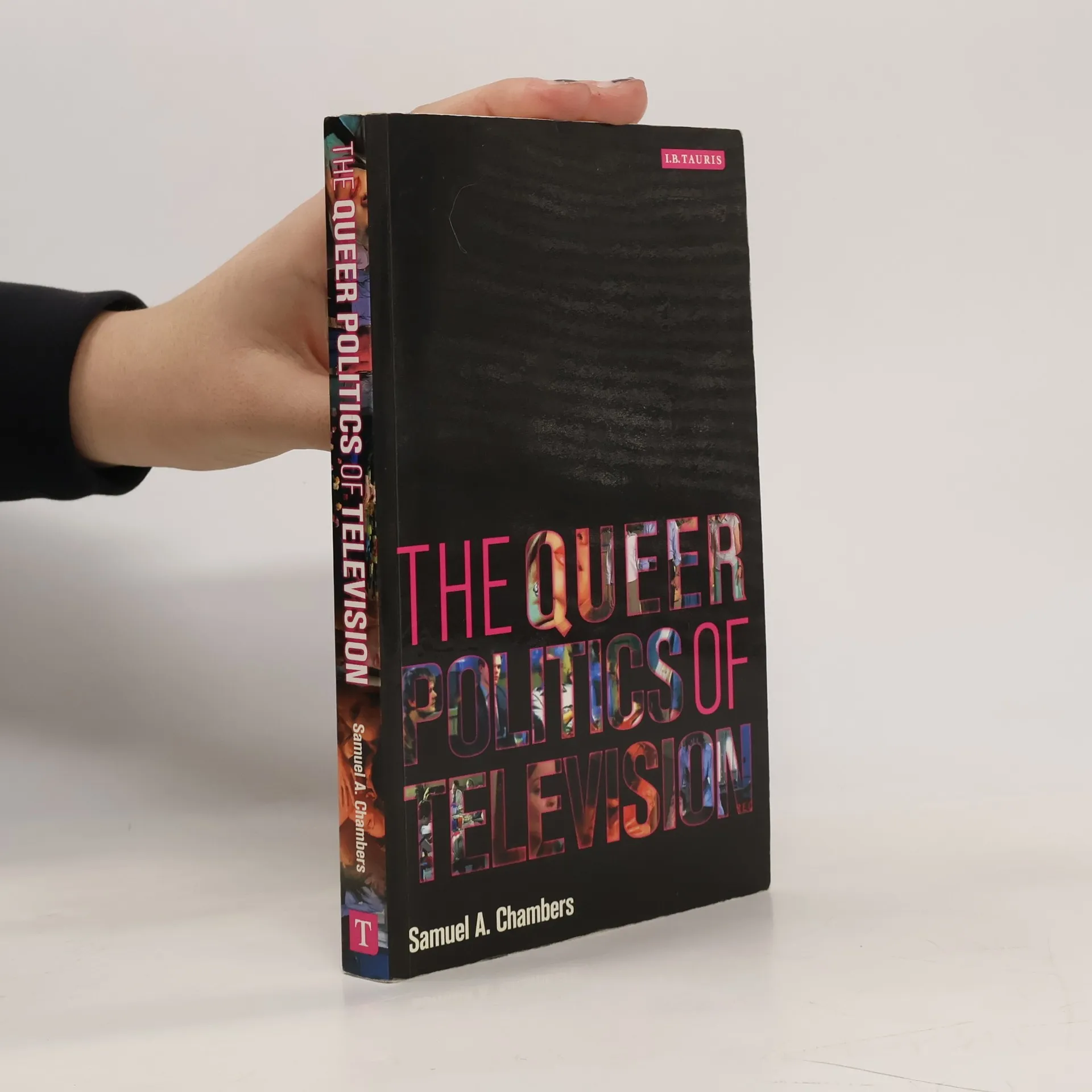
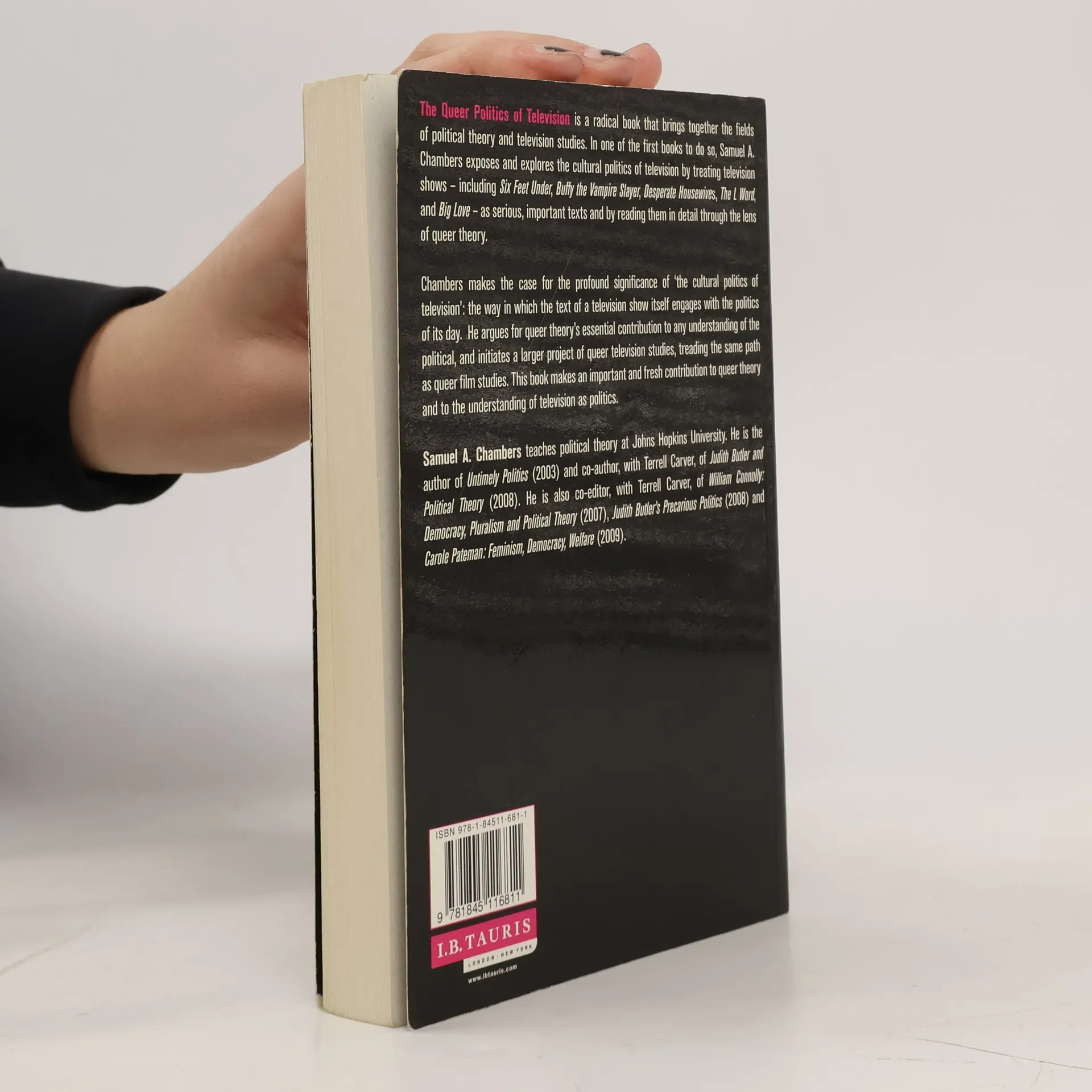
This is a radical book, which brings together the fields of political theory and television studies. In one of the first books to do so, Samuel A. Chambers exposes and explores the cultural politics of television by treating television shows--including Six Feet Under , Buffy , Desperate Housewives , The L Word, and Big Love-- as serious, important texts and reading them in detail through the lens of queer theory. Samuel A. Chambers makes the case for the profound significance of ""the cultural politics of television,"" the way in which a television show's text itself engages with the politics of its day. He argues for queer theory's essential contribution to any understanding of the political, and initiates a larger project of queer television studies. This is an important and fresh contribution to queer theory and to the understanding of television as politics.
Zakup książki
The Queer Politics of Television, Samuel A. Chambers
- Język

- Rok wydania
- 2009
- Oprawa
- (miękka)
Metody płatności
Brakuje nam tutaj Twojej recenzji.
- Tytuł
- The Queer Politics of Television
- Język
- angielski
- Autorzy
- Samuel A. Chambers
- Wydawca
- I.B. Tauris
- Rok wydania
- 2009
- Oprawa
- miękka
- Liczba stron
- 237
- ISBN10
- 184511681X
- ISBN13
- 9781845116811
- Seria
- Tagi
- Polityka, LGBTQ+, Feminizm, Teorie naukowe, Telewizja
- Ocena
- 3,15 z 5
- Opis
- This is a radical book, which brings together the fields of political theory and television studies. In one of the first books to do so, Samuel A. Chambers exposes and explores the cultural politics of television by treating television shows--including Six Feet Under , Buffy , Desperate Housewives , The L Word, and Big Love-- as serious, important texts and reading them in detail through the lens of queer theory. Samuel A. Chambers makes the case for the profound significance of ""the cultural politics of television,"" the way in which a television show's text itself engages with the politics of its day. He argues for queer theory's essential contribution to any understanding of the political, and initiates a larger project of queer television studies. This is an important and fresh contribution to queer theory and to the understanding of television as politics.