

Więcej o książce
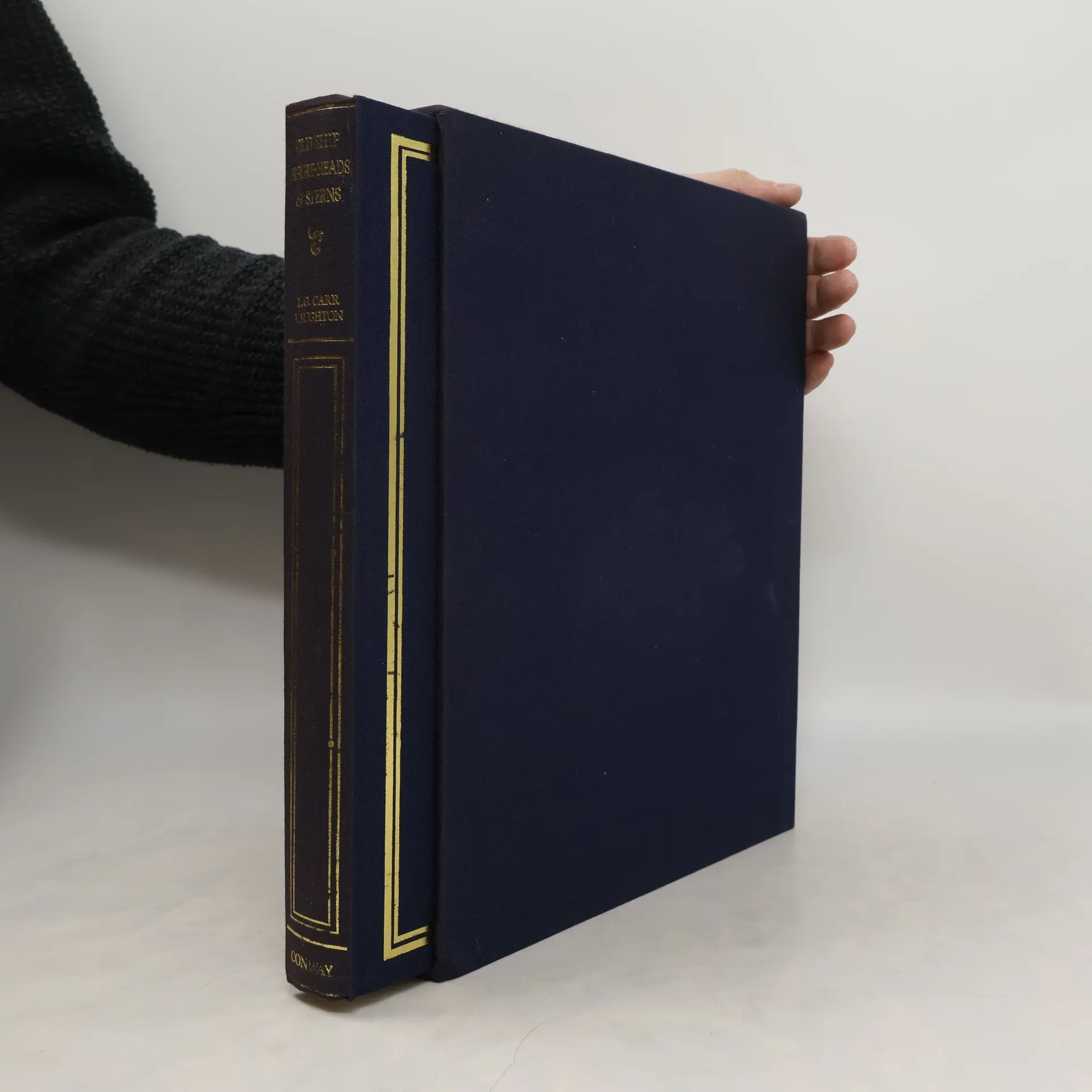
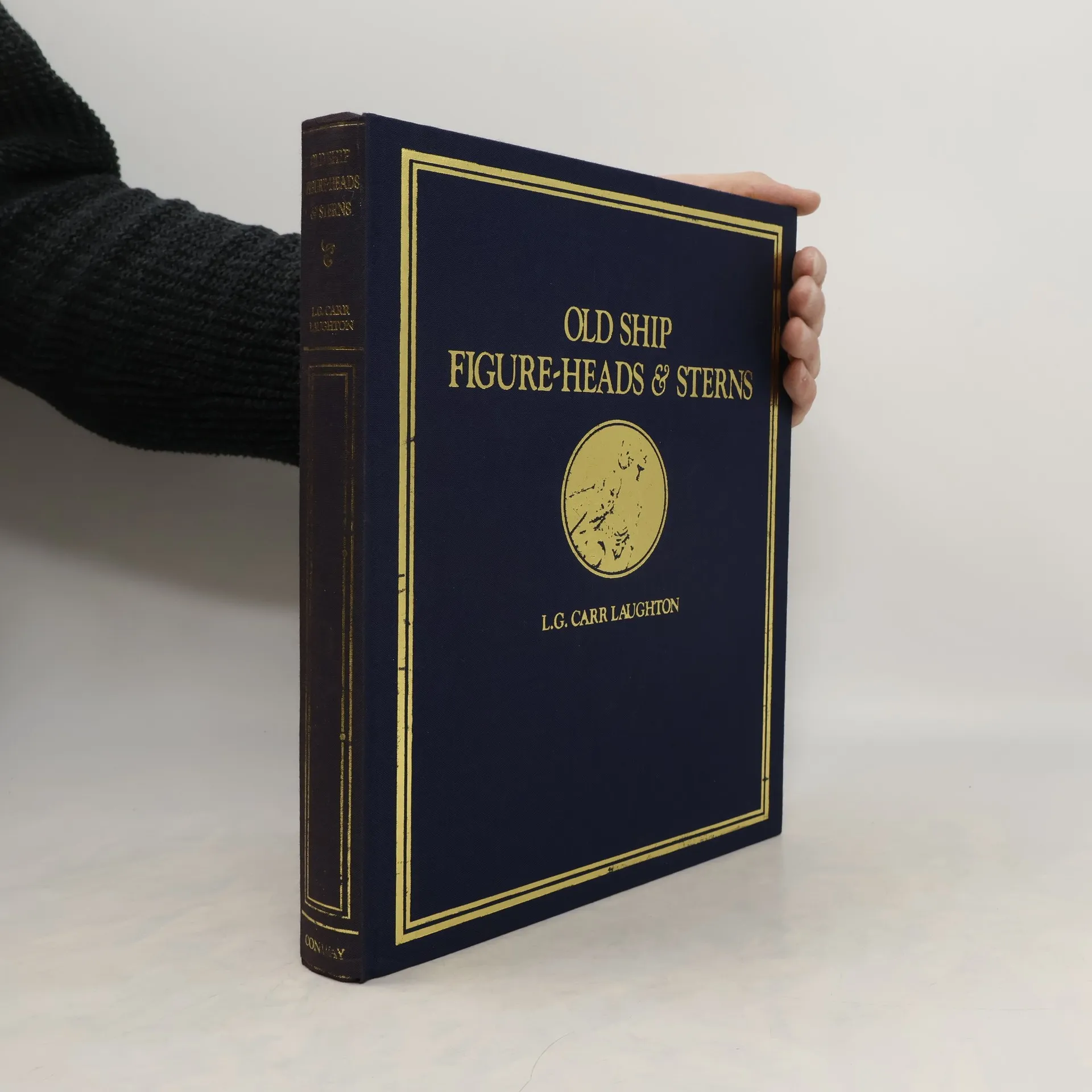
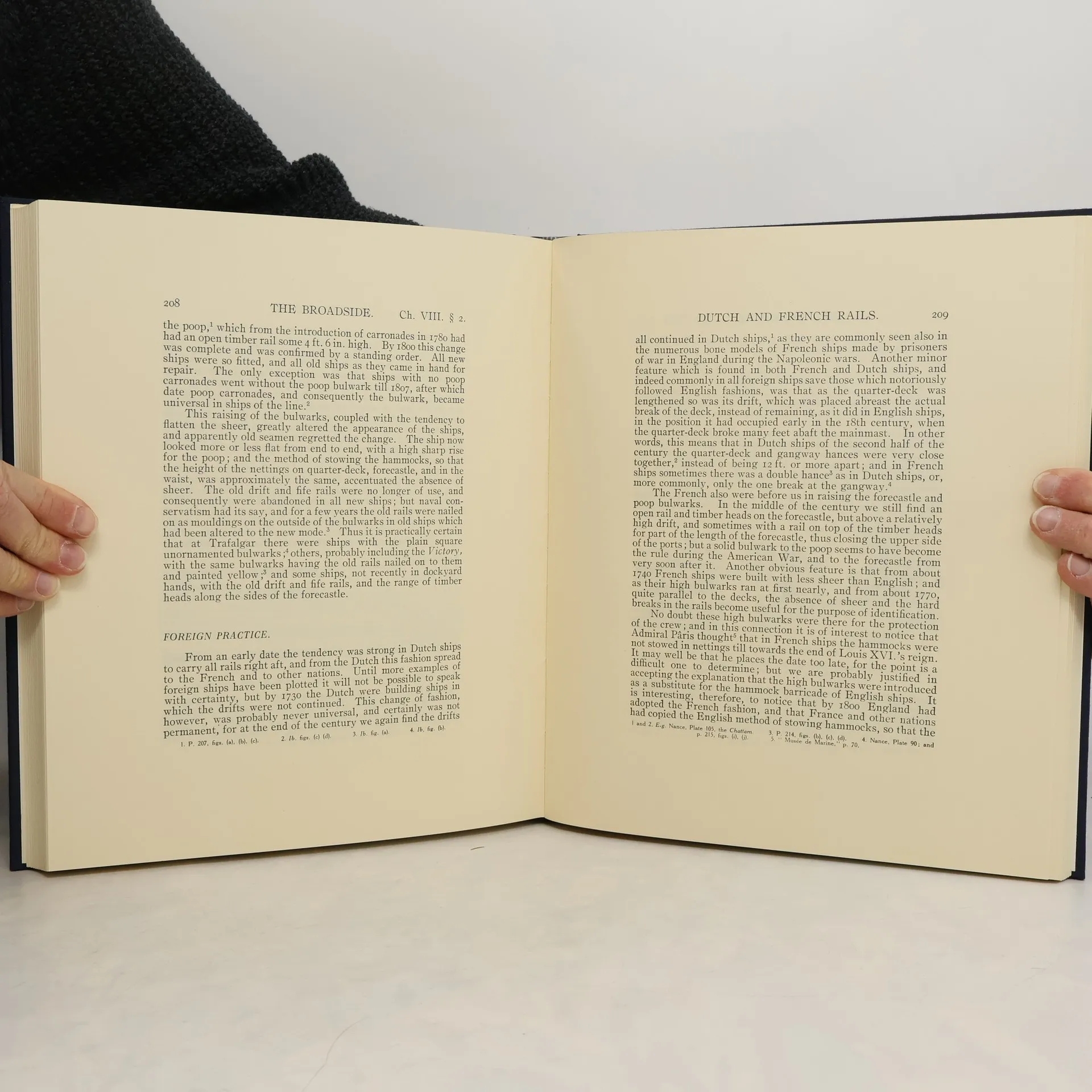
This unique book explores the history of decorative naval architecture, providing a well-illustrated examination of shipboard ornamentations and their origins. It highlights how design ideas evolved over time and how different nations influenced one another, with a primary focus on English vessels, from Elizabethan galleons to Lord Nelson’s Victory, built in 1765. A detailed chapter on figureheads showcases carved ornaments at the bow of ships, featuring examples like a god-like figure and swan from an ancient Roman vessel, a Louis XIV carving on an eighteenth-century French ship, and the increasingly elaborate English styles that included riders on horseback and allegorical representations of royalty. Technical terms are clearly explained, supported by three pages of key drawings illustrating the head, broadside, and stern of a ship while identifying each discussed item. More than 100 halftones and 3210 line drawings depict figureheads and other decorative elements such as escutcheons, lanterns, rails, gun ports, and timberheads. The author's well-researched and engaging text makes this volume a valuable resource for naval historians, model builders, and anyone interested in historic ocean-going vessels. Additionally, the royalty-free illustrations cater to graphic artists in need of accurate images of historic ships.
Zakup książki
Old Ship Figure-heads & Sterns, Leonard G. Laughton
- Język

- Rok wydania
- 1991
- Oprawa
- (twarda)
Metody płatności
Nikt jeszcze nie ocenił.
- Tytuł
- Old Ship Figure-heads & Sterns
- Język
- angielski
- Autorzy
- Leonard G. Laughton
- Wydawca
- Conway Maritime Press
- Rok wydania
- 1991
- Oprawa
- twarda
- Liczba stron
- 408
- ISBN10
- 0851775950
- ISBN13
- 9780851775951
- Seria
- Opis
- This unique book explores the history of decorative naval architecture, providing a well-illustrated examination of shipboard ornamentations and their origins. It highlights how design ideas evolved over time and how different nations influenced one another, with a primary focus on English vessels, from Elizabethan galleons to Lord Nelson’s Victory, built in 1765. A detailed chapter on figureheads showcases carved ornaments at the bow of ships, featuring examples like a god-like figure and swan from an ancient Roman vessel, a Louis XIV carving on an eighteenth-century French ship, and the increasingly elaborate English styles that included riders on horseback and allegorical representations of royalty. Technical terms are clearly explained, supported by three pages of key drawings illustrating the head, broadside, and stern of a ship while identifying each discussed item. More than 100 halftones and 3210 line drawings depict figureheads and other decorative elements such as escutcheons, lanterns, rails, gun ports, and timberheads. The author's well-researched and engaging text makes this volume a valuable resource for naval historians, model builders, and anyone interested in historic ocean-going vessels. Additionally, the royalty-free illustrations cater to graphic artists in need of accurate images of historic ships.