



Więcej o książce
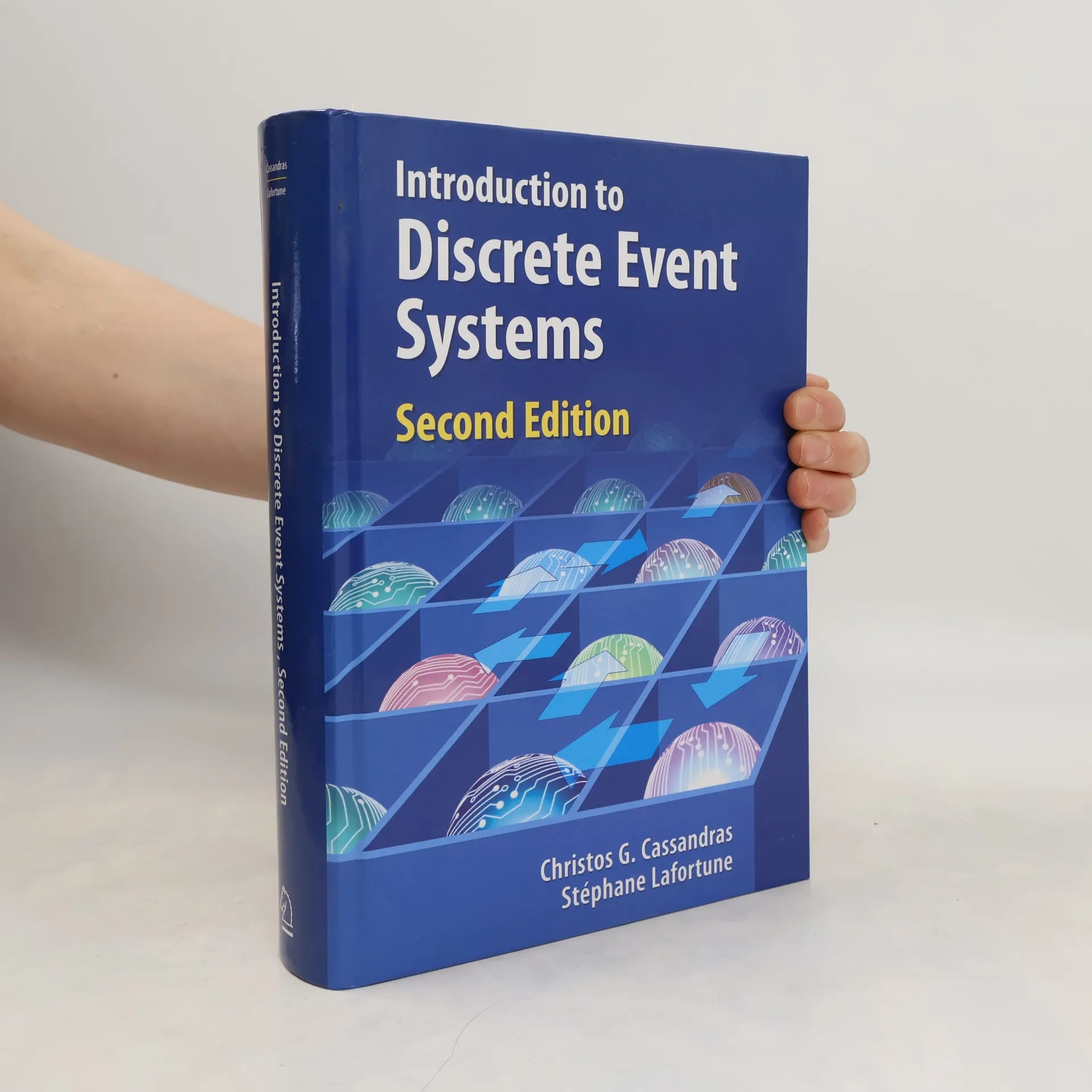
Introduction to Discrete Event Systems is a comprehensive introduction to the field of discrete event systems, offering a breadth of coverage that makes the material accessible to readers of varied backgrounds. The book emphasizes a unified modeling framework that transcends specific application areas, linking the following topics in a coherent manner: language and automata theory, supervisory control, Petri net theory, Markov chains and queuing theory, discrete-event simulation, and concurrent estimation techniques. This edition includes new material pertaining to the diagnosis of discrete event systems, decentralized supervisory control, and interval-based timed automata and hybrid automata models. This textbook is valuable to advanced-level students and researchers in a variety of disciplines where the study of discrete event systems is relevant: control, communications, computer engineering, computer science, manufacturing engineering, operations research, and industrial engineering.
Zakup książki
Introduction to Discrete Event Systems, Christos G. Cassandras
- Język

- Rok wydania
- 2006
- Oprawa
- (twarda)
Metody płatności
Brakuje nam tutaj Twojej recenzji.
- Tytuł
- Introduction to Discrete Event Systems
- Język
- angielski
- Autorzy
- Christos G. Cassandras
- Wydawca
- Springer US
- Rok wydania
- 2006
- Oprawa
- twarda
- Liczba stron
- 904
- ISBN10
- 0387333320
- ISBN13
- 9780387333328
- Seria
- Tagi
- Ocena
- 4,6 z 5
- Opis
- Introduction to Discrete Event Systems is a comprehensive introduction to the field of discrete event systems, offering a breadth of coverage that makes the material accessible to readers of varied backgrounds. The book emphasizes a unified modeling framework that transcends specific application areas, linking the following topics in a coherent manner: language and automata theory, supervisory control, Petri net theory, Markov chains and queuing theory, discrete-event simulation, and concurrent estimation techniques. This edition includes new material pertaining to the diagnosis of discrete event systems, decentralized supervisory control, and interval-based timed automata and hybrid automata models. This textbook is valuable to advanced-level students and researchers in a variety of disciplines where the study of discrete event systems is relevant: control, communications, computer engineering, computer science, manufacturing engineering, operations research, and industrial engineering.