


Więcej o książce
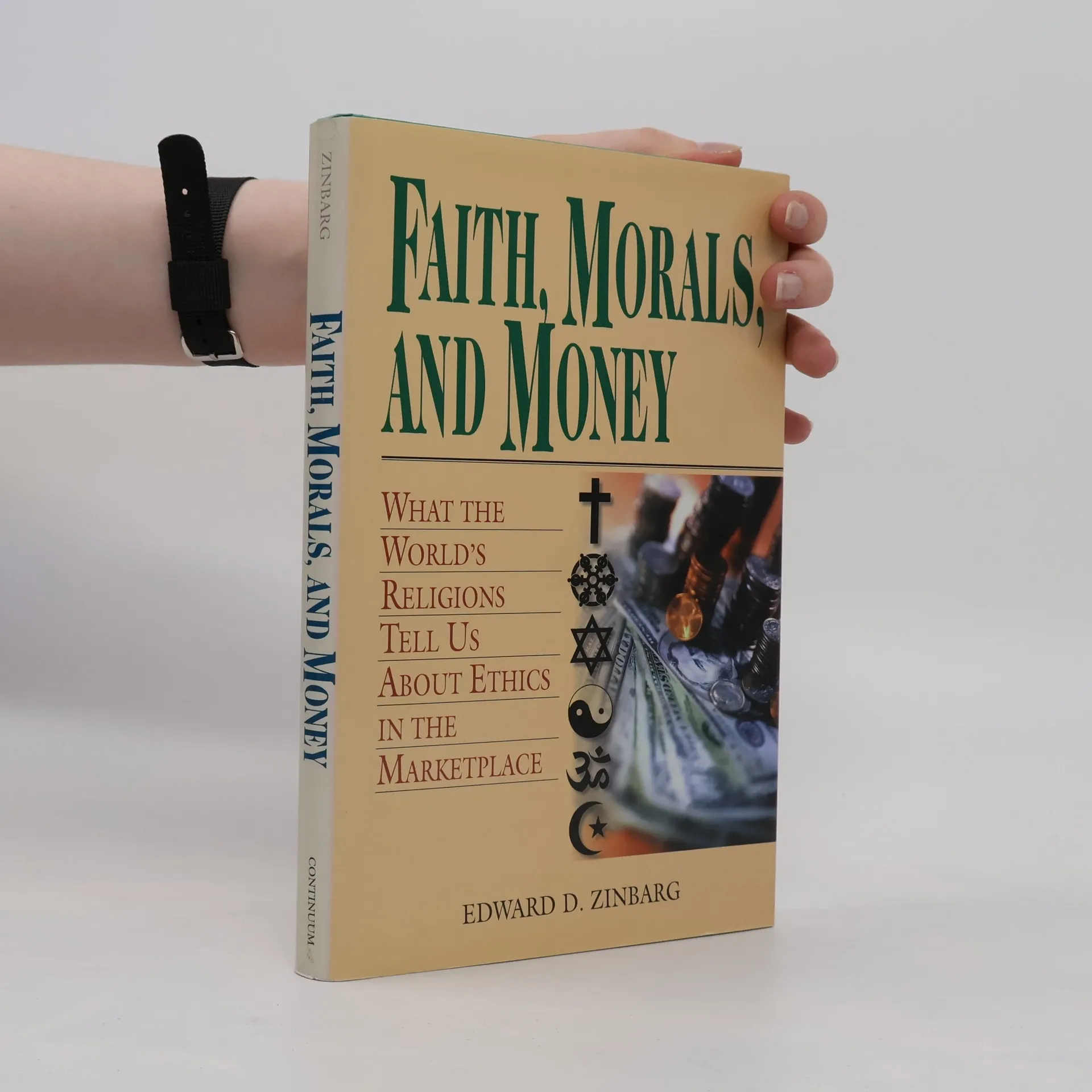
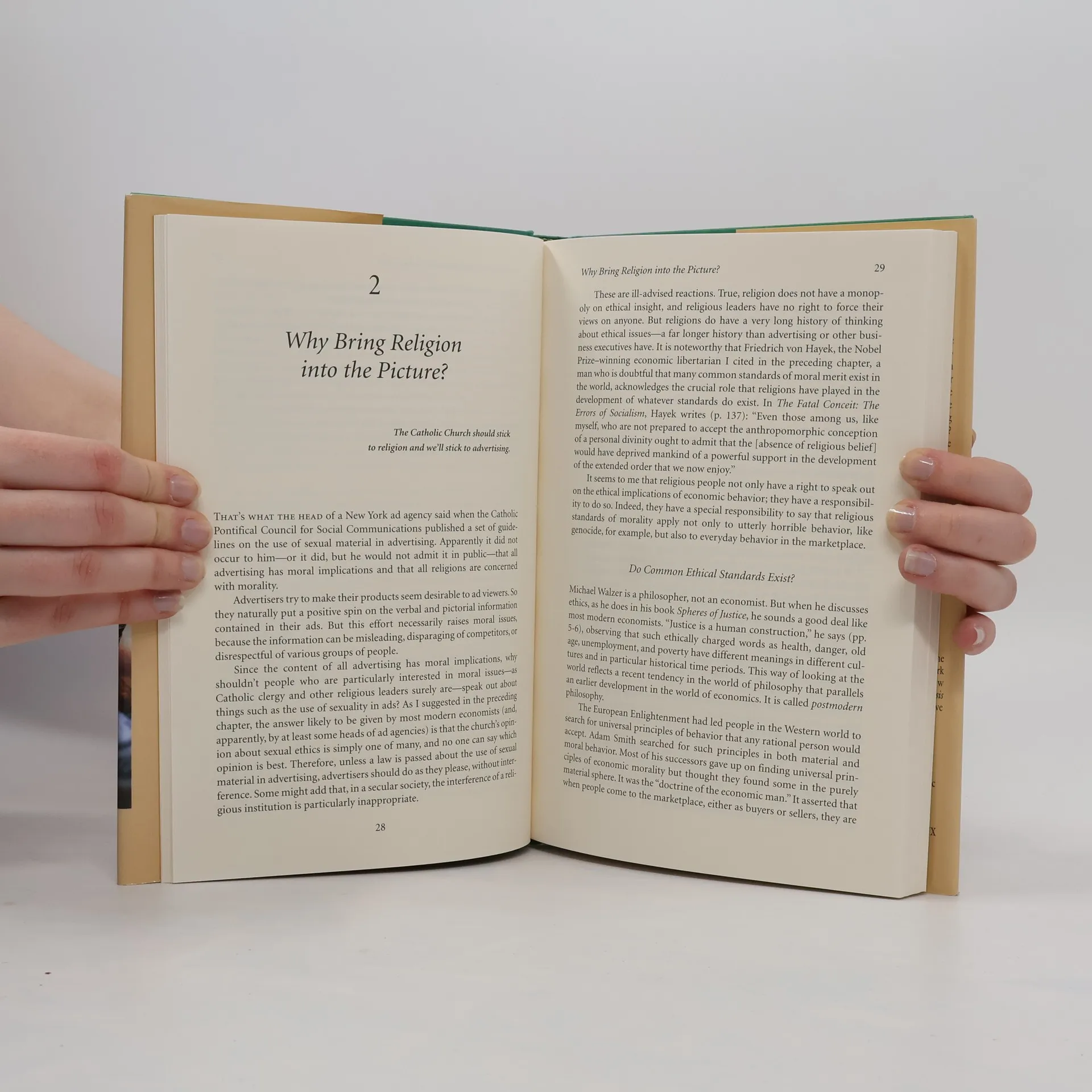
Most books on business ethics approach the subject philosophically. That approach, Zinbarg tells us, is that it neglects the most important source of most people's understanding of right and wrong: their religious tradition. While philosophy can shed the light of reason on the ethical dilemmas of economic life, it's less than convincing about why we ought to behave well, lacking the compelling urgency of religious faith. Following a wonderfully lucid and succinct summary of the ethical systems relative to Judaism, Christianity, Islam, Hinduism, Buddhism, and Confucianism, the author presents a variety of case studies (in lively dialogue form) from the whole gamut of economic life, including misrepresentation by sellers, truth in advertising, the ethics of part-time employment, child labor and environmental ethics. The solutions may vary from tradition to tradition, but overall one is struck by the similarities. This is a book grounded in the real ethical challenges of modern business practice, with a kind of world-religious perspective so necessary in an era of globalization.
Zakup książki
Faith, Morals, and Money, Edward D. Zinbarg
- Język

- Rok wydania
- 2001
- Oprawa
- (twarda)
Metody płatności
Nikt jeszcze nie ocenił.
- Tytuł
- Faith, Morals, and Money
- Język
- angielski
- Autorzy
- Edward D. Zinbarg
- Wydawca
- Bloomsbury Publishing
- Rok wydania
- 2001
- Oprawa
- twarda
- Liczba stron
- 182
- ISBN10
- 0826413420
- ISBN13
- 9780826413420
- Seria
- Kategorie
- Tagi
- Opis
- Most books on business ethics approach the subject philosophically. That approach, Zinbarg tells us, is that it neglects the most important source of most people's understanding of right and wrong: their religious tradition. While philosophy can shed the light of reason on the ethical dilemmas of economic life, it's less than convincing about why we ought to behave well, lacking the compelling urgency of religious faith. Following a wonderfully lucid and succinct summary of the ethical systems relative to Judaism, Christianity, Islam, Hinduism, Buddhism, and Confucianism, the author presents a variety of case studies (in lively dialogue form) from the whole gamut of economic life, including misrepresentation by sellers, truth in advertising, the ethics of part-time employment, child labor and environmental ethics. The solutions may vary from tradition to tradition, but overall one is struck by the similarities. This is a book grounded in the real ethical challenges of modern business practice, with a kind of world-religious perspective so necessary in an era of globalization.