

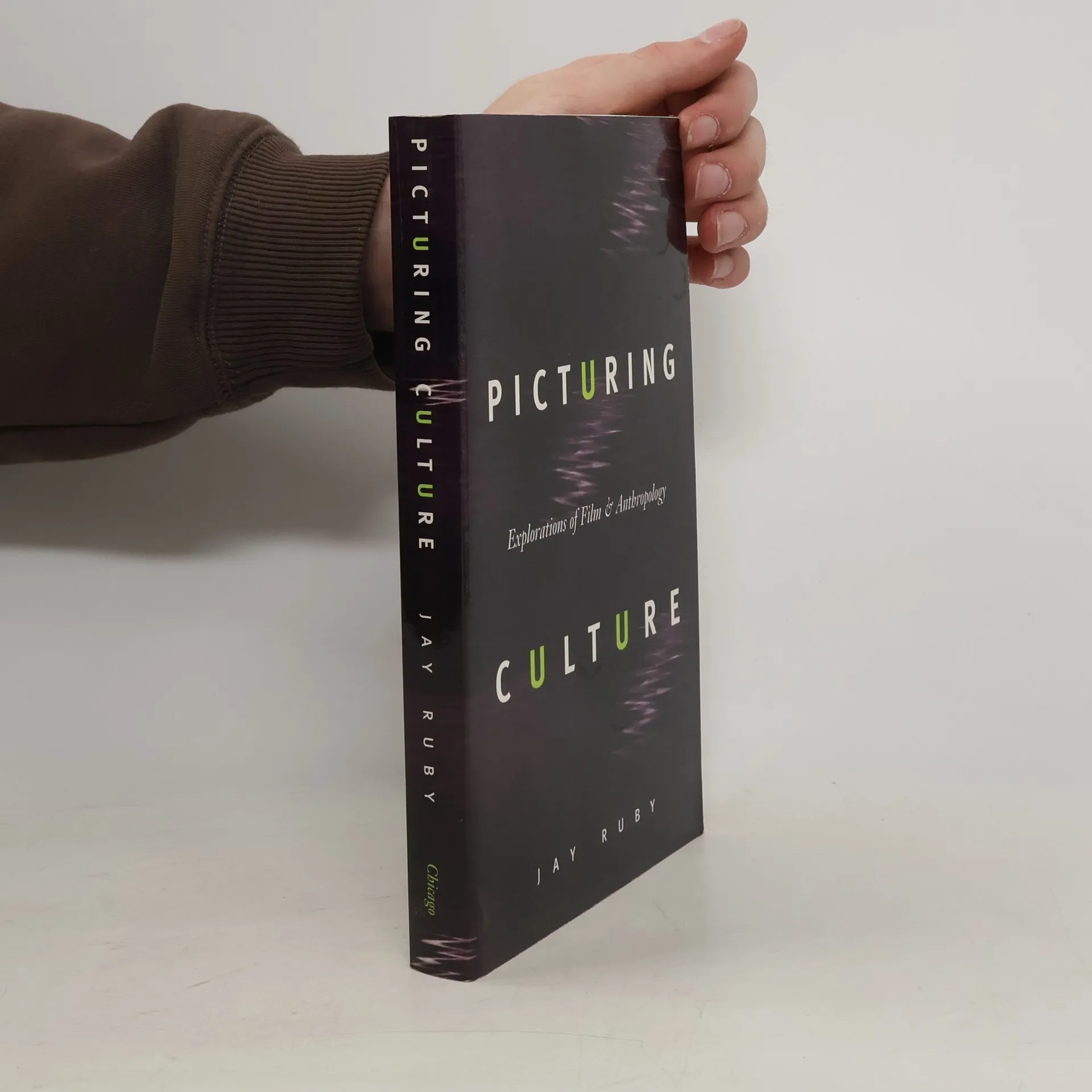


Więcej o książce
Here, Jay Ruby—a founder of visual anthropology—distills his thirty-year exploration of the relationship of film and anthropology. Spurred by a conviction that the ideal of an anthropological cinema has not even remotely begun to be realized, Ruby argues that ethnographic filmmakers should generate a set of critical standards analogous to those for written ethnographies. Cinematic artistry and the desire to entertain, he argues, can eclipse the original intention, which is to provide an anthropological representation of the subjects.The book begins with analyses of key filmmakers (Robert Flaherty, Robert Garner, and Tim Asch) who have striven to generate profound statements about human behavior on film. Ruby then discusses the idea of research film, Eric Michaels and indigenous media, the ethics of representation, the nature of ethnography, anthropological knowledge, and film and lays the groundwork for a critical approach to the field that borrows selectively from film, communication, media, and cultural studies. Witty and original, yet intensely theoretical, this collection is a major contribution to the field of visual anthropology.
Zakup książki
Picturing Culture. Explorations of Film & Anthropology, Jay Ruby
- Język

- Rok wydania
- 2000
- Oprawa
- (miękka)
Metody płatności
Brakuje nam tutaj Twojej recenzji.
- Tytuł
- Picturing Culture. Explorations of Film & Anthropology
- Język
- angielski
- Autorzy
- Jay Ruby
- Rok wydania
- 2000
- Oprawa
- miękka
- Liczba stron
- 354
- ISBN10
- 0226730999
- ISBN13
- 9780226730998
- Seria
- Tagi
- Tematyka filmowa
- Ocena
- 3,45 z 5
- Opis
- Here, Jay Ruby—a founder of visual anthropology—distills his thirty-year exploration of the relationship of film and anthropology. Spurred by a conviction that the ideal of an anthropological cinema has not even remotely begun to be realized, Ruby argues that ethnographic filmmakers should generate a set of critical standards analogous to those for written ethnographies. Cinematic artistry and the desire to entertain, he argues, can eclipse the original intention, which is to provide an anthropological representation of the subjects.The book begins with analyses of key filmmakers (Robert Flaherty, Robert Garner, and Tim Asch) who have striven to generate profound statements about human behavior on film. Ruby then discusses the idea of research film, Eric Michaels and indigenous media, the ethics of representation, the nature of ethnography, anthropological knowledge, and film and lays the groundwork for a critical approach to the field that borrows selectively from film, communication, media, and cultural studies. Witty and original, yet intensely theoretical, this collection is a major contribution to the field of visual anthropology.