



Więcej o książce
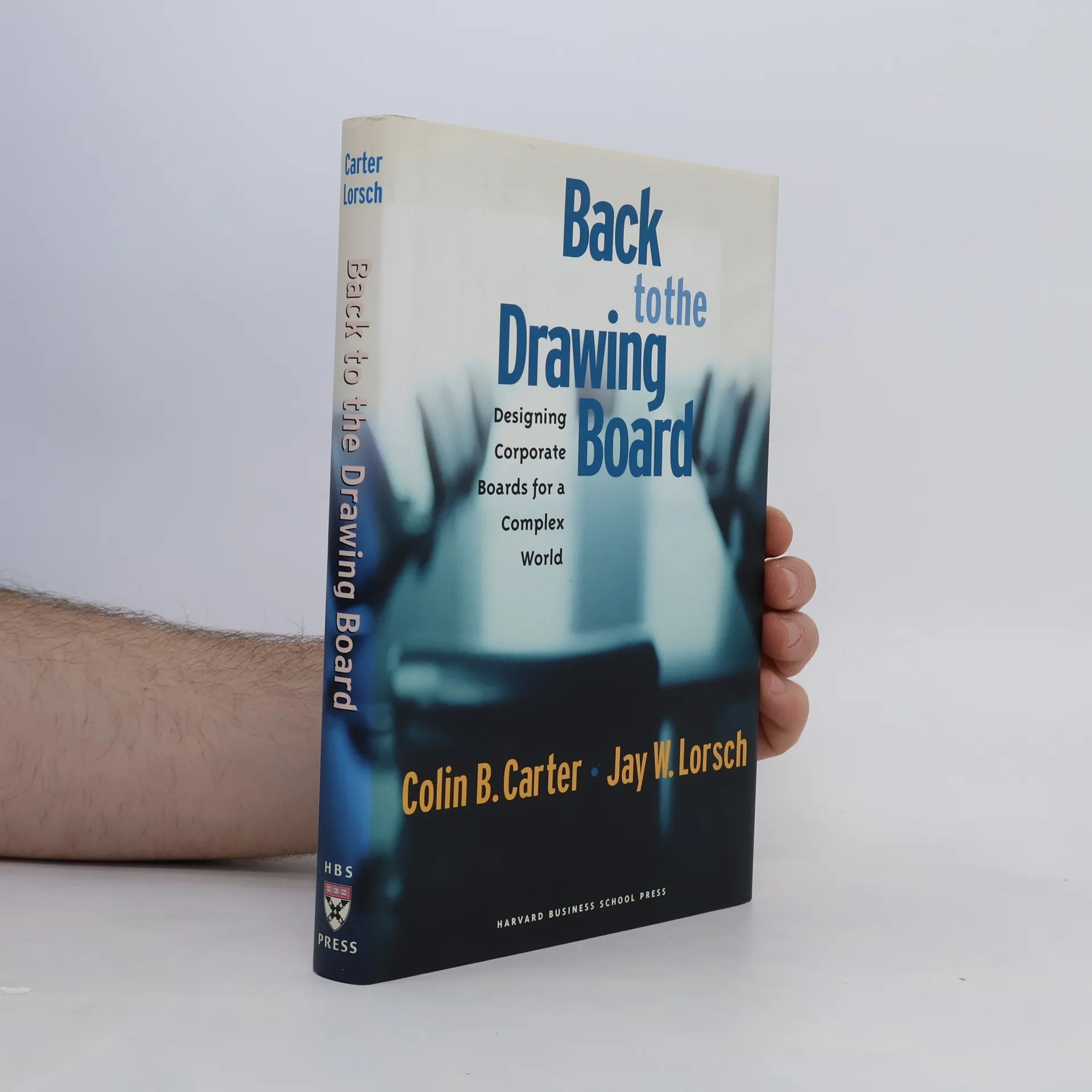
Business scandals from Enron to WorldCom have escalated concerns about corporate governance into a full-blown crisis. Institutional investors and legislators have dominated the debate and enacted important changes in corporate accounting and other areas. But Colin B. Carter and Jay W. Lorsch say that we must now focus on the performance of corporate boards. This timely book argues that boards are being pressed to perform unrealistic duties given their traditional structure, processes, and membership. Carter and Lorsch propose a strategic redesign of boards--making them better attuned to their oversight, decision-making, and advisory roles--to enable directors to meet 21st century challenges successfully. Based on the authors' deep expertise and longtime experience working with boards around the world, and on a probing survey of CEOs, Carter and Lorsch help boards to develop a realistic value proposition customized to the company they serve. The authors explore the core dilemmas and responsibilities boards face and outline a framework for designing the most effective structure, makeup, size, and culture. This book provides a candid account of the current state of boards and points the way in a time of crisis and change.
Zakup książki
Back to the Drawing Board, Colin B. Carter, Jay William Lorsch
- Język

- Rok wydania
- 2004
- Oprawa
- (twarda)
Metody płatności
Brakuje nam tutaj Twojej recenzji.
- Tytuł
- Back to the Drawing Board
- Język
- angielski
- Autorzy
- Colin B. Carter, Jay William Lorsch
- Wydawca
- Harvard Business Press
- Rok wydania
- 2004
- Oprawa
- twarda
- Liczba stron
- 256
- ISBN10
- 1578517761
- ISBN13
- 9781578517763
- Seria
- Tagi
- Biznes
- Ocena
- 3 z 5
- Opis
- Business scandals from Enron to WorldCom have escalated concerns about corporate governance into a full-blown crisis. Institutional investors and legislators have dominated the debate and enacted important changes in corporate accounting and other areas. But Colin B. Carter and Jay W. Lorsch say that we must now focus on the performance of corporate boards. This timely book argues that boards are being pressed to perform unrealistic duties given their traditional structure, processes, and membership. Carter and Lorsch propose a strategic redesign of boards--making them better attuned to their oversight, decision-making, and advisory roles--to enable directors to meet 21st century challenges successfully. Based on the authors' deep expertise and longtime experience working with boards around the world, and on a probing survey of CEOs, Carter and Lorsch help boards to develop a realistic value proposition customized to the company they serve. The authors explore the core dilemmas and responsibilities boards face and outline a framework for designing the most effective structure, makeup, size, and culture. This book provides a candid account of the current state of boards and points the way in a time of crisis and change.