

Więcej o książce
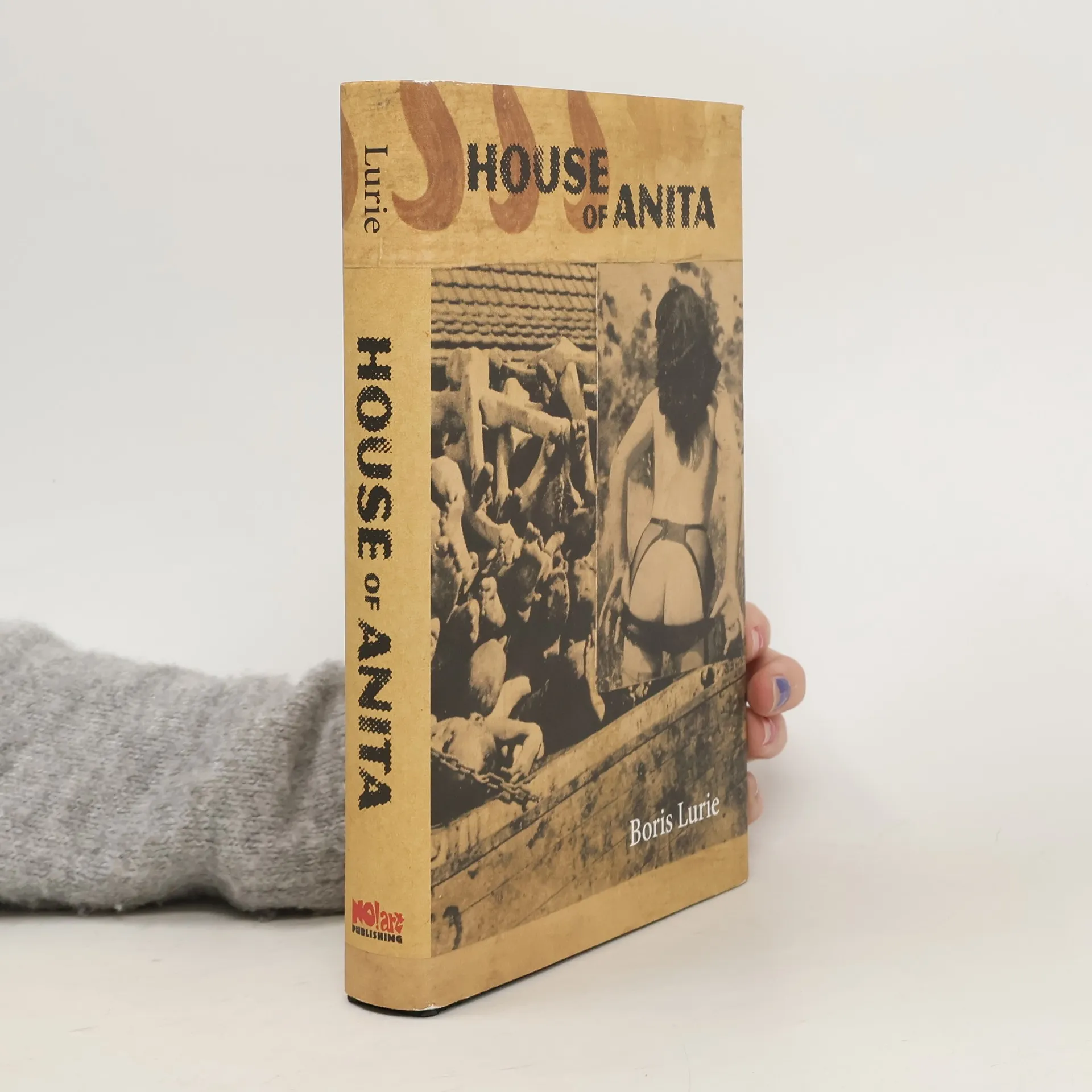
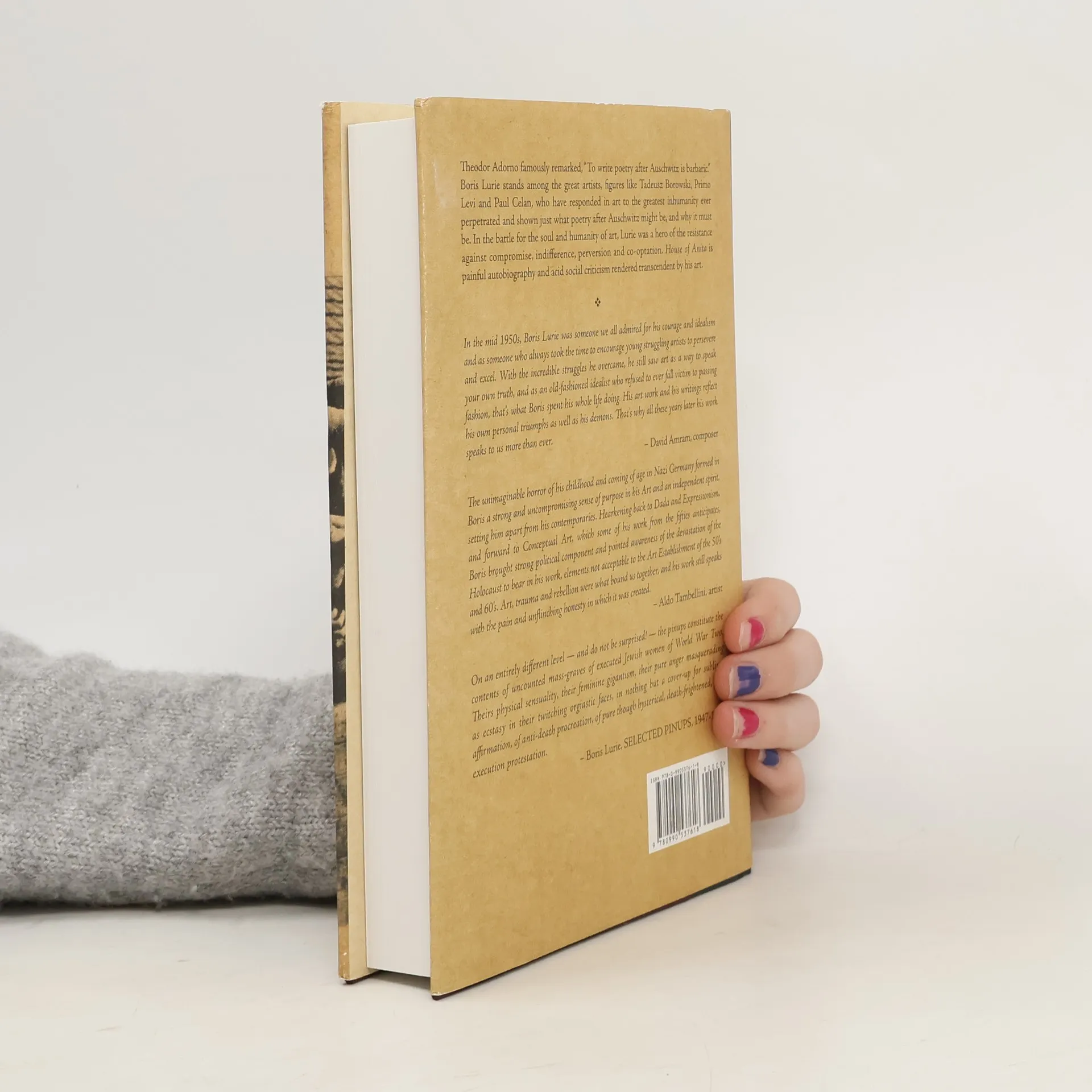
Lurie worked on the composition of House of Anita from the seventies almost up to the end of his life. It is his Ecce homo. In the guise of an S/M novel, if a quite surreal, absurd, and poignant S/M novel, the work attempts to come to terms with the circumstances of his traumatic youth interned in the Nazi death camp at Buchenwald, while exploring the meaning of the life of the artist and the place of art in the post-Holocaust world, and railing against the degradation of art by the market. Though not strictly speaking an allegory, and certainly not simply autobiography cloaked in leather and chains, House of Anita does employ the philosophy and vocabulary of a highly specialized mode of experience, the world of organized sado-masochism, to depict and examine the "ordinary" post-Holocaust world. In tone and sensibility the work falls in the lineage of Alfred Jarry, Franz Kafka, and Kathy Acker
Zakup książki
House of Anita, Boris Lurie
- Język

- Rok wydania
- 2016
- Oprawa
- (twarda)
Metody płatności
Brakuje nam tutaj Twojej recenzji.
- Tytuł
- House of Anita
- Język
- angielski
- Autorzy
- Boris Lurie
- Wydawca
- Nolart Publishing
- Rok wydania
- 2016
- Oprawa
- twarda
- Liczba stron
- 333
- ISBN10
- 0990537617
- ISBN13
- 9780990537618
- Seria
- Tagi
- Erotyka
- Ocena
- 3,5 z 5
- Opis
- Lurie worked on the composition of House of Anita from the seventies almost up to the end of his life. It is his Ecce homo. In the guise of an S/M novel, if a quite surreal, absurd, and poignant S/M novel, the work attempts to come to terms with the circumstances of his traumatic youth interned in the Nazi death camp at Buchenwald, while exploring the meaning of the life of the artist and the place of art in the post-Holocaust world, and railing against the degradation of art by the market. Though not strictly speaking an allegory, and certainly not simply autobiography cloaked in leather and chains, House of Anita does employ the philosophy and vocabulary of a highly specialized mode of experience, the world of organized sado-masochism, to depict and examine the "ordinary" post-Holocaust world. In tone and sensibility the work falls in the lineage of Alfred Jarry, Franz Kafka, and Kathy Acker