


Więcej o książce
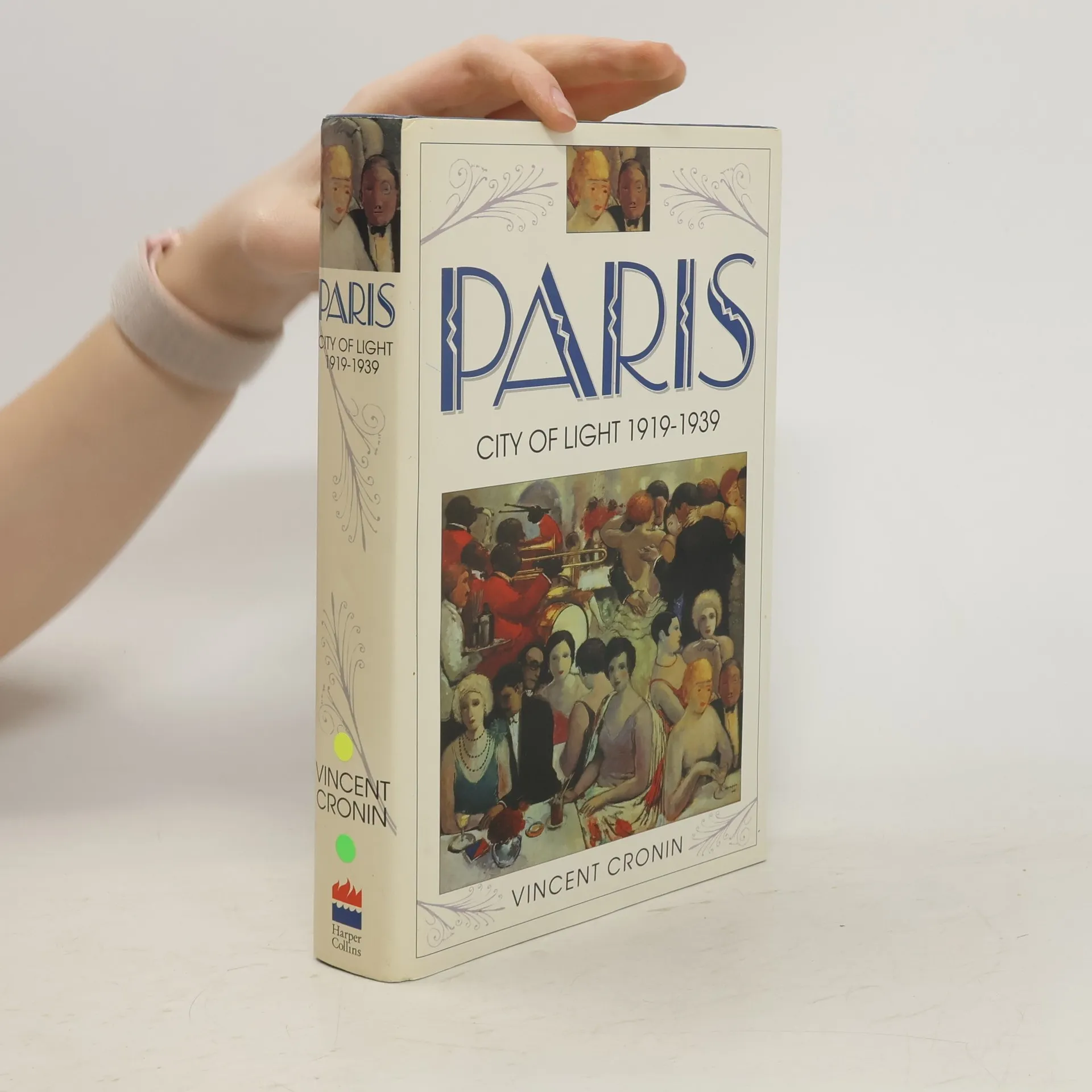
Paris between the wars: our impression is one of gaiety, frivolity, fashion, of exuberant living - a city whose lights were put out by the terrifyingly rapid advance of the German panzers in 1940. And so, in some ways, it was. But as Vincent Cronin shows in this compelling and original book - which encompasses social, intellectual, political and cultural history - the full picture was much more complex. Cronin examines developments in the arts, fashion and politics, and has something surprising to say about each of them; but also investigates the achievements of Parisian philosophers and industrialists. It is notoriously difficult to perceive valid patterns across such a broad range of human activities as these, but that is exactly what Cronin has done. The result is a thoroughly convincing and engrossing portrait of a city outwardly confident and intent on enjoying life, but behind that uncertain, divided and ultimately incapable of standing up to aggression.
Zakup książki
Paris. City of Light 1919-1939, Vincent Cronin
- Język

- Rok wydania
- 1994
- Oprawa
- (twarda)
Metody płatności
Brakuje nam tutaj Twojej recenzji.
- Tytuł
- Paris. City of Light 1919-1939
- Język
- angielski
- Autorzy
- Vincent Cronin
- Wydawca
- HarperAudio
- Rok wydania
- 1994
- Oprawa
- twarda
- Liczba stron
- 384
- ISBN10
- 000215191X
- ISBN13
- 9780002151917
- Seria
- Ocena
- 3,55 z 5
- Opis
- Paris between the wars: our impression is one of gaiety, frivolity, fashion, of exuberant living - a city whose lights were put out by the terrifyingly rapid advance of the German panzers in 1940. And so, in some ways, it was. But as Vincent Cronin shows in this compelling and original book - which encompasses social, intellectual, political and cultural history - the full picture was much more complex. Cronin examines developments in the arts, fashion and politics, and has something surprising to say about each of them; but also investigates the achievements of Parisian philosophers and industrialists. It is notoriously difficult to perceive valid patterns across such a broad range of human activities as these, but that is exactly what Cronin has done. The result is a thoroughly convincing and engrossing portrait of a city outwardly confident and intent on enjoying life, but behind that uncertain, divided and ultimately incapable of standing up to aggression.