


Więcej o książce
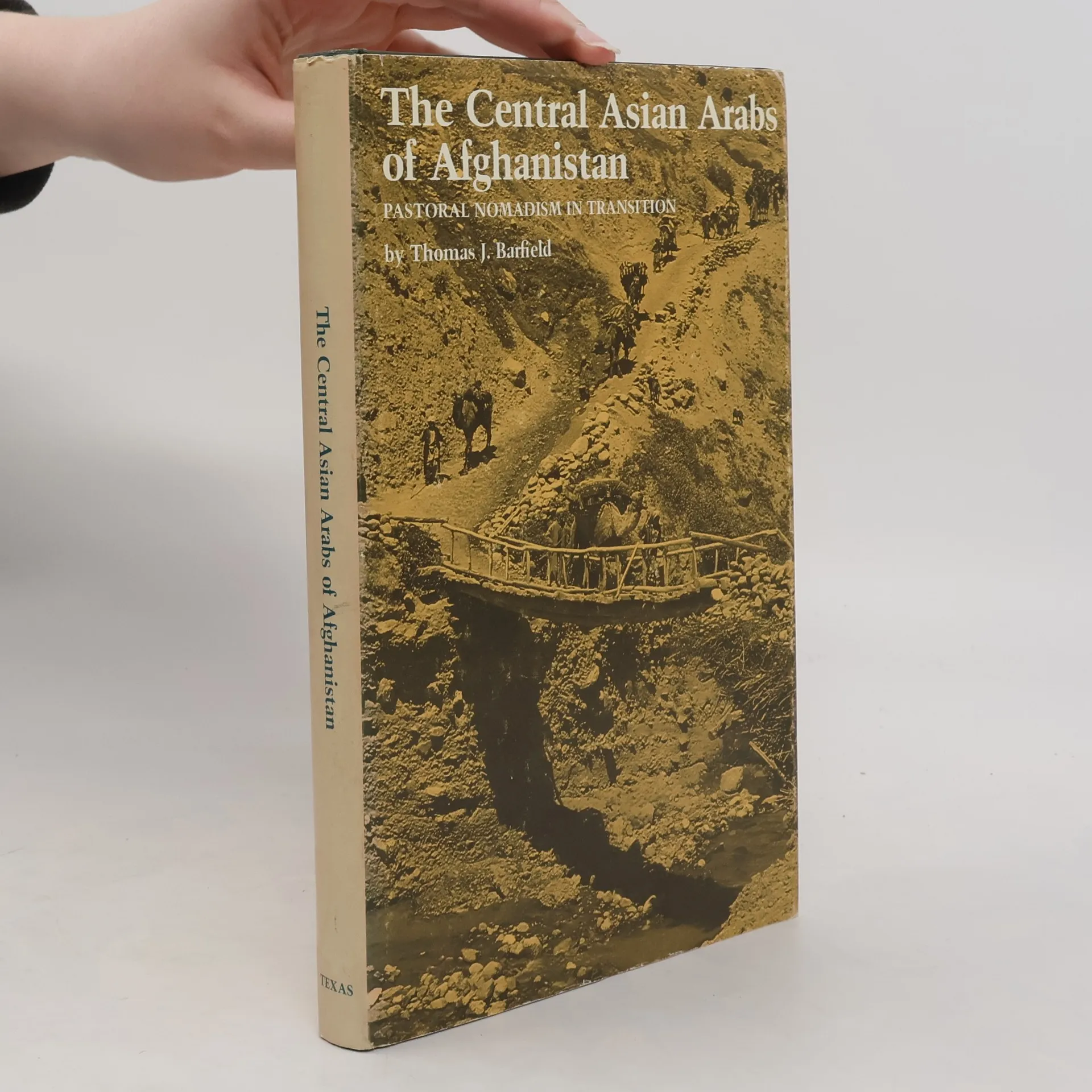
The Soviet invasion of Afghanistan in 1979 focused international attention on this country for the first time in nearly a century. The need for reliable information has only become been greater. Because of their traditional xenophobia toward the West, successive Afghan governments have restricted the number of scholars permitted to undertake extensive fieldwork. For this reason Thomas Barfield's study of the Central Asian Arabs of Afghanistan is a welcome addition to the literature, a literature which is not likely to grow in the coming years as war, domestic unrest and restrictive travel policies continue to make the research environment in Afghanistan unfavorable. The Central Asian Arabs are a little-known people of northeastern Afghanistan. This book is an account of the changes that have taken place in their way of life over the twentieth century as they switched from a form of subsistence pastoralism to a cash economy. Barfield's research constitutes a substantial revision of the standard hypothesis on the economic and social status of nomadic pastoralists, as originally posited by Fredrik Barth. One of Barfield's main purposes is to provide a case study that illustrates the wide-ranging complexity of pastoral nomadism, its integration into a regional economy, and how structural changes have occurred within the pastoral economy itself.
Zakup książki
The Central Asian Arabs of Afghanistan, Thomas Barfield
- Język

- Rok wydania
- 1981
- Oprawa
- (twarda)
Metody płatności
Nikt jeszcze nie ocenił.
- Tytuł
- The Central Asian Arabs of Afghanistan
- Podtytuł
- Pastoral Nomadism in Transition
- Język
- angielski
- Autorzy
- Thomas Barfield
- Wydawca
- Thomas Barfield
- Rok wydania
- 1981
- Oprawa
- twarda
- Liczba stron
- 218
- Seria
- Opis
- The Soviet invasion of Afghanistan in 1979 focused international attention on this country for the first time in nearly a century. The need for reliable information has only become been greater. Because of their traditional xenophobia toward the West, successive Afghan governments have restricted the number of scholars permitted to undertake extensive fieldwork. For this reason Thomas Barfield's study of the Central Asian Arabs of Afghanistan is a welcome addition to the literature, a literature which is not likely to grow in the coming years as war, domestic unrest and restrictive travel policies continue to make the research environment in Afghanistan unfavorable. The Central Asian Arabs are a little-known people of northeastern Afghanistan. This book is an account of the changes that have taken place in their way of life over the twentieth century as they switched from a form of subsistence pastoralism to a cash economy. Barfield's research constitutes a substantial revision of the standard hypothesis on the economic and social status of nomadic pastoralists, as originally posited by Fredrik Barth. One of Barfield's main purposes is to provide a case study that illustrates the wide-ranging complexity of pastoral nomadism, its integration into a regional economy, and how structural changes have occurred within the pastoral economy itself.