



Więcej o książce
Up-to-date and comprehensive, this practical best-selling text (now available with an online personalized study plan) helps students learn how to deal with and apply ethical standards. Authors Corey, Corey and Callanan provide readers with the basis for discovering their own guidelines within the broad limits of professional codes of ethics and divergent theoretical positions. They raise what they consider to be central issues, present a range of diverse views on these issues, discuss their position, and present many opportunities for readers to refine their own thinking and actively develop their own position. The authors explore such questions as: What role do the therapist's personal values play in the counseling relationship? What ethical responsibilities and rights do clients and therapists have? And, what considerations are involved in adapting counseling practice to diverse client populations?
Zakup książki
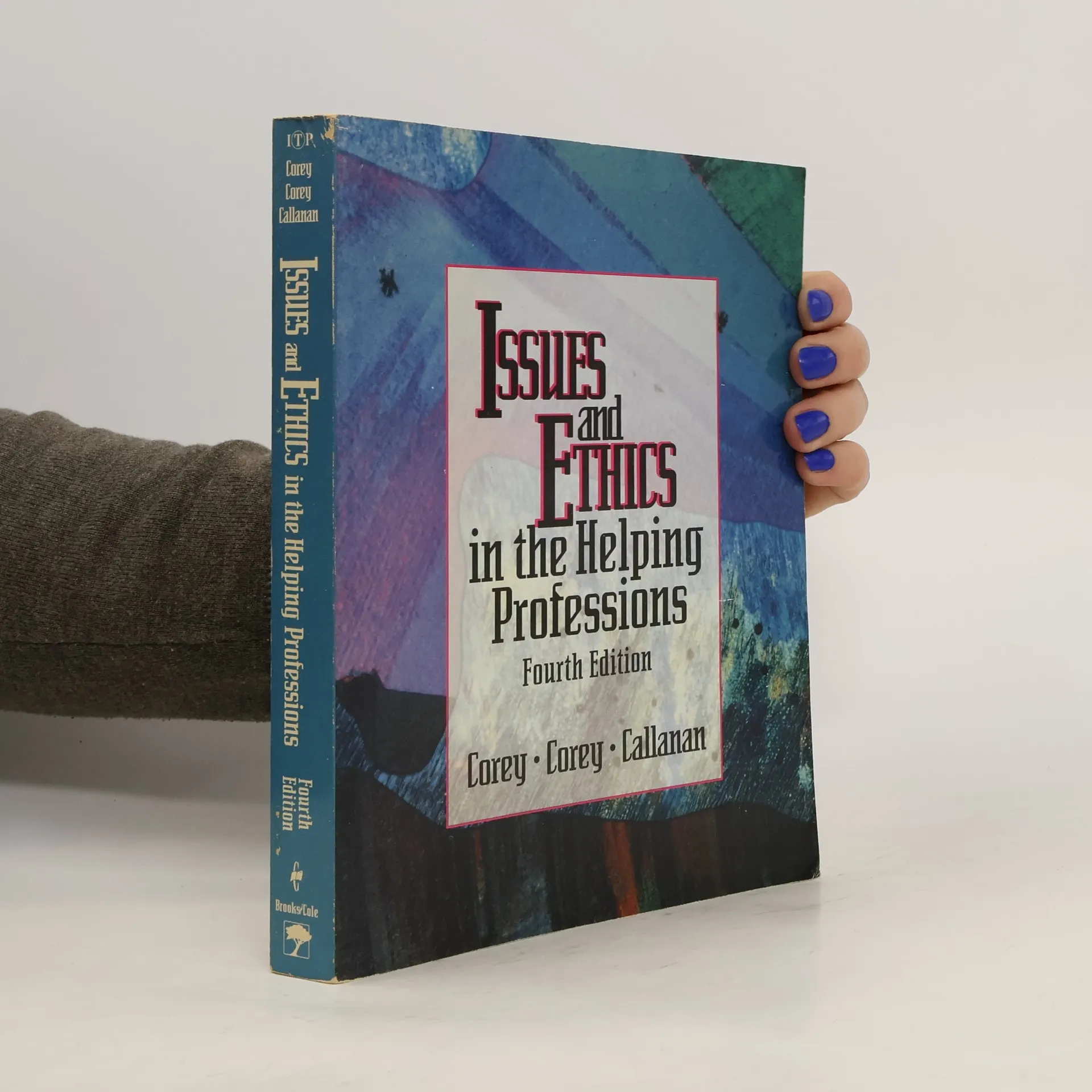
Issues and Ethics in the Helping Professions, Patrick Callanan, Gerald Corey, Marianne Schneider Corey
- Język

- Rok wydania
- 1993
- Oprawa
- (miękka)
Metody płatności
Brakuje nam tutaj Twojej recenzji.
- Tytuł
- Issues and Ethics in the Helping Professions
- Język
- angielski
- Wydawca
- Brooks/Cole
- Rok wydania
- 1993
- Oprawa
- miękka
- Liczba stron
- 484
- ISBN10
- 0534187625
- ISBN13
- 9780534187620
- Seria
- Ocena
- 3 z 5
- Opis
- Up-to-date and comprehensive, this practical best-selling text (now available with an online personalized study plan) helps students learn how to deal with and apply ethical standards. Authors Corey, Corey and Callanan provide readers with the basis for discovering their own guidelines within the broad limits of professional codes of ethics and divergent theoretical positions. They raise what they consider to be central issues, present a range of diverse views on these issues, discuss their position, and present many opportunities for readers to refine their own thinking and actively develop their own position. The authors explore such questions as: What role do the therapist's personal values play in the counseling relationship? What ethical responsibilities and rights do clients and therapists have? And, what considerations are involved in adapting counseling practice to diverse client populations?